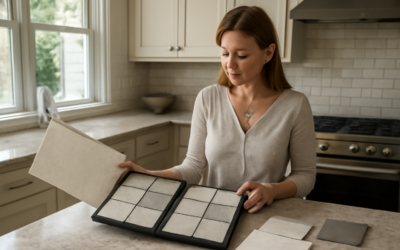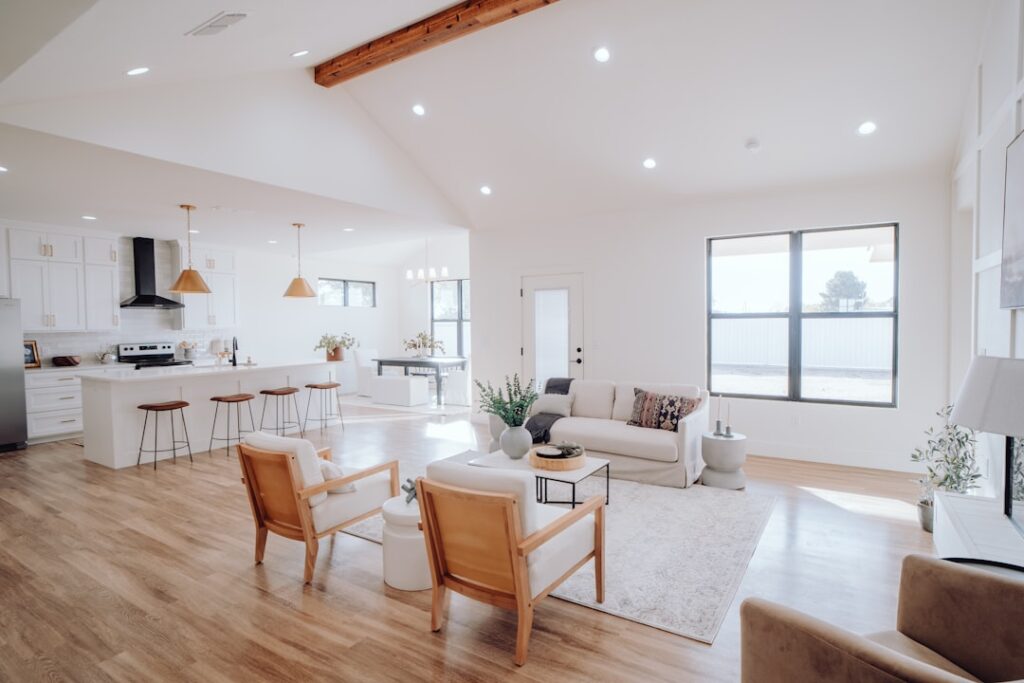
When a production builder hands you a binder of three carpet colors and two vinyl options for your new house, there is a good chance every sample came from one manufacturer. Shaw builder flooring refers to the products Shaw Industries sells through its builder and multifamily division, a high-volume channel that supplies carpet, luxury vinyl, laminate, and hardwood to new homes and apartment communities across the country. Understanding how that channel works helps you tell a genuine value from a thin builder-grade allowance.
- Who Shaw Is
- What “Builder Grade” Really Means
- The Product Categories Shaw Supplies
- What It Costs in a New Home
- Pros of Going With the Builder Package
- Cons and What to Watch
- How to Negotiate Your Flooring Selections
- The Bottom Line
- Warranty Differences Between Builder and Retail Lines
- Maintaining Builder-Grade Flooring
Who Shaw Is
Shaw is one of the two largest flooring manufacturers in the United States, headquartered in Dalton, Georgia, and owned by Berkshire Hathaway. The company makes residential retail lines you would find at a flooring store, but it also runs a dedicated builder division that sells directly to home builders, developers, and apartment owners. That division is built around volume, fast availability, and price points that fit a builder’s per-unit flooring budget.
Because the builder channel and the retail channel are separate, the exact product names and constructions you get in a new home often differ from what is on the showroom floor at a retail dealer, even when both carry the Shaw name.
What “Builder Grade” Really Means
Builder grade is not an insult; it is a spec tier. These products are engineered to hit a target cost while meeting the durability a builder needs to pass inspection and avoid warranty callbacks. In practice that means carpet with a lighter face weight, laminate or vinyl with a thinner wear layer, and hardwood with a modest finish warranty compared with premium retail lines.
The upside is consistency and price. The downside is that the base-level option in your builder’s package is usually the thinnest version Shaw offers in that category, which is exactly why upgrade allowances exist.
The Product Categories Shaw Supplies
- Carpet: the most common base flooring in new homes, often a polyester or PET cut-pile chosen for stain resistance and low cost
- Luxury vinyl (LVT/SPC): Shaw’s rigid-core vinyl lines, increasingly the standard waterproof option in kitchens, baths, and open-plan main floors
- Laminate: wood-look planks with an AC-rated wear surface for living areas at a budget price
- Engineered hardwood: offered as a premium upgrade in many builder packages for a real-wood main floor
- Tile: available through some builder programs for wet areas and entries
What It Costs in a New Home
Builders rarely show you a per-square-foot price; they show an allowance and a menu of upgrades. As a rough sense of the underlying material, builder-channel carpet often runs $1.50 to $3 per square foot, builder LVT $2 to $4, and engineered hardwood upgrades $5 to $9. The upgrade line items you pay at design center selection usually bundle material and labor and carry the builder’s markup, so a $3-per-square-foot LVT upgrade might appear as $5 to $7 installed on your contract.
Treat the standard allowance as a starting point. Stepping up one tier within Shaw’s builder line, say from base carpet to a thicker face weight or from base LVT to a 20-mil wear layer, is often the highest-value upgrade dollar you can spend.
Pros of Going With the Builder Package
The biggest advantage is integration. The flooring is installed before you close, warrantied through the builder, and matched across the home for a consistent look. Shaw’s logistics mean the material is in stock and on schedule, which keeps your closing date intact. For a primary residence you plan to live in for years, the convenience and single point of warranty contact are real benefits.
Cons and What to Watch
The base options are thin, the color and style choices are limited to the binder, and the markup on upgrades can be steep compared with sourcing the same tier from a retail dealer after closing. If you have strong design preferences or want a premium hardwood, it is often cheaper to take the builder’s lowest allowance and replace or upgrade the floor yourself after move-in, especially in bedrooms.
Also confirm the wear-layer thickness on any vinyl and the AC rating on any laminate in your package. Builders are not required to list these, and the gap between a base and upgraded Shaw product is exactly that number.
How to Negotiate Your Flooring Selections
Bring three questions to the design center. First, what is the wear layer or face weight of the standard option versus each upgrade? Second, what does the upgrade cost per square foot, separated into material and labor if possible? Third, can you take a base allowance credit in rooms where you plan to replace the floor later? A clear answer to all three lets you spend your upgrade budget where it actually shows.
The Bottom Line
Shaw builder flooring is dependable, widely available, and priced for new construction, which is exactly why it ends up in so many homes. Just remember that the binder shows you a floor, not the floor; read the specs, upgrade strategically, and the same manufacturer that supplied your base carpet can also deliver a floor you are genuinely happy to live on.
Warranty Differences Between Builder and Retail Lines
One detail that catches new homeowners off guard is that builder-channel products often carry shorter or more limited warranties than the retail versions of similar-looking floors. A retail LVT line might advertise a 25-year residential finish warranty, while the builder-grade equivalent that went into your house may carry 10 or 15 years. The coverage is also typically tied to the original buyer and the original installation, and it usually requires that humidity and maintenance conditions be met.
Before you close, ask your builder for the exact warranty document on each flooring product installed, not the generic brand brochure. Keep those papers with your closing package, because any future claim, whether for delamination, finish wear, or a manufacturing defect, will start with proof of which specific product and which warranty applies.
Maintaining Builder-Grade Flooring
Because builder-grade products run thinner than premium lines, day-to-day care matters more for keeping them looking good. For carpet, vacuum high-traffic lanes twice a week and schedule a professional extraction once a year to keep the lighter face weight from matting prematurely. For builder LVT and laminate, use felt pads under all furniture legs, place walk-off mats at exterior doors, and skip the steam mop entirely, since heat and moisture are hard on thinner wear layers and locking joints.
Treat a builder floor well and even the base tier will give you a solid decade of service, buying you time to plan and budget for the upgraded floor you actually want, room by room, on your own schedule rather than the builder’s.
Prefer to explore on your own?
See how new flooring looks in your actual room in seconds — free, no signup.
Try the free Floor Studio →