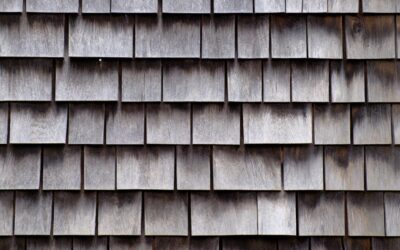
Thanks to a decade of home-renovation TV, the word “shiplap” is everywhere, but plenty of homeowners use it without knowing exactly what it describes. The true shiplap meaning comes down to a specific type of wooden board with a rabbet, or notched groove, cut along its edges so each plank overlaps the next and locks together into a flat, weather-tight surface. Originally a practical method for sealing the hulls of ships and the walls of barns, shiplap has become one of the most popular decorative wall treatments in American homes.
This guide explains what shiplap actually is, how the joint works, its history, and how it differs from the look-alikes people often confuse it with.
What Shiplap Actually Means
At its core, shiplap refers to the joint, not the look. Each board has an L-shaped notch (a rabbet) milled along the top and bottom edges. When you stack the boards, the lower lip of one plank overlaps the upper lip of the board beneath it.
That overlap is the whole point. It creates a tight seal that sheds water, blocks drafts, and allows the wood to expand and contract without opening visible gaps. The boards lie flat against each other while the rabbet hides the seam, producing the clean horizontal lines people recognize as shiplap.
Where the Name and Method Come From
The term has genuinely nautical roots. Shipbuilders used overlapping, rabbeted planks to construct watertight hulls long before the style ever reached interior walls. The same logic made it ideal for exterior siding, sheds, and barns across rural America, where it sealed structures against wind and rain cheaply and effectively.
For most of its history, shiplap was a hidden, utilitarian material, often buried under plaster or wallpaper as a rough sheathing layer. Its leap to decorative stardom is recent, driven largely by farmhouse-style design trends that exposed and celebrated the rustic boards rather than covering them.
How the Shiplap Joint Works
Understanding the joint clears up most of the confusion around the term. The rabbet on each board does two jobs at once.
- Overlap for sealing: The lip of one board sits over the lip of the next, so even as wood shifts with humidity, no open gap forms.
- A consistent reveal: The slight recess where boards meet creates the signature even shadow line between planks.
- Flat installation: Because the overlap is in the rabbet, the face of the boards sits flush in one plane.
That small, consistent gap, often about an eighth of an inch, is what gives true shiplap its crisp, linear appearance.
Shiplap vs Tongue and Groove
The most common mix-up is between shiplap and tongue and groove, since both join boards edge to edge. The difference is in how they connect.
Shiplap uses an overlapping rabbet, where one board’s lip rests on top of the next. Tongue and groove uses an interlocking system: a protruding tongue on one board slides into a matching groove on the next, locking them together more tightly. Tongue and groove sits perfectly flush with no reveal, while shiplap leaves that small, deliberate shadow gap. Both look similar from across a room, but the joint and the resulting seam are distinct.
Shiplap vs Nickel Gap and Faux Shiplap
Two more terms get tangled with shiplap. Nickel gap is actually a variation: it is tongue-and-groove or shiplap milling designed to leave a gap exactly the width of a nickel between boards, giving a uniform, modern reveal. It is prized for its consistency.
Faux shiplap, by contrast, is not real rabbeted board at all. It is the budget DIY version made from inexpensive plywood underlayment ripped into strips and spaced with nickels or washers, or from MDF planks that mimic the look. It captures the appearance for a fraction of the cost but lacks the true overlapping joint, which is fine for interior accent walls where weatherproofing does not matter.
Where Shiplap Is Used Today
Modern shiplap is almost entirely decorative indoors. It shows up as accent walls behind beds and fireplaces, full-room cladding in farmhouse kitchens and bathrooms, ceiling treatments, and on the fronts of kitchen islands.
Installed horizontally, it widens a room visually; run vertically, it raises the perceived ceiling height. Painted crisp white it reads farmhouse and coastal, while stained or left natural it leans rustic or modern depending on the wood. It still serves its original exterior siding role too, particularly on sheds, barns, and modern board-clad facades.
Installing Shiplap: The Basics
Part of shiplap’s appeal is how approachable it is to install, even for a first-timer. Real rabbeted boards self-space thanks to the overlapping lip, so you do not need spacers, while faux strips use a nickel or washer to set the gap.
- Find and mark the wall studs, since boards must nail into solid framing.
- Start level at the bottom; one crooked first row throws off the entire wall.
- Nail each board into the studs with a finish nailer, letting the rabbet or spacer set the reveal.
- Stagger the end seams between rows for strength and a natural look.
- Cut around outlets and switches, fill nail holes, then prime and paint or seal.
A single accent wall is a realistic weekend project with a miter saw, a nailer, and a level.
Pros and Cons of Shiplap
Like any material, shiplap has tradeoffs worth weighing before you commit a wall to it. On the plus side, it adds instant texture and character, hides minor wall flaws, is relatively cheap, and installs without specialized skills. It suits farmhouse, coastal, and modern styles alike.
The drawbacks are real too. The horizontal gaps collect dust and need occasional wiping, painted shiplap can be tedious to clean in the grooves, and in humid bathrooms the seams can trap moisture and harbor mildew if not sealed and caulked properly. Trends also shift, and a fully shiplapped room can feel dated faster than a simple accent wall. Used thoughtfully and in moderation, though, the pros clearly outweigh the cons for most homeowners.
Is Shiplap Right for Your Home?
Shiplap earns its popularity because it adds instant texture and character to flat drywall for a modest cost, often $1.50 to $4 per square foot in materials for real boards, less for faux. It is forgiving to install, hides minor wall imperfections, and suits a wide range of styles.
The main caution is humidity: in bathrooms, seal the wood and caulk well, since the gaps can trap moisture if neglected. Now that you know the real shiplap meaning, you can tell true rabbeted board from tongue and groove or a faux plywood version, and choose the right material for the look and durability your project actually needs.