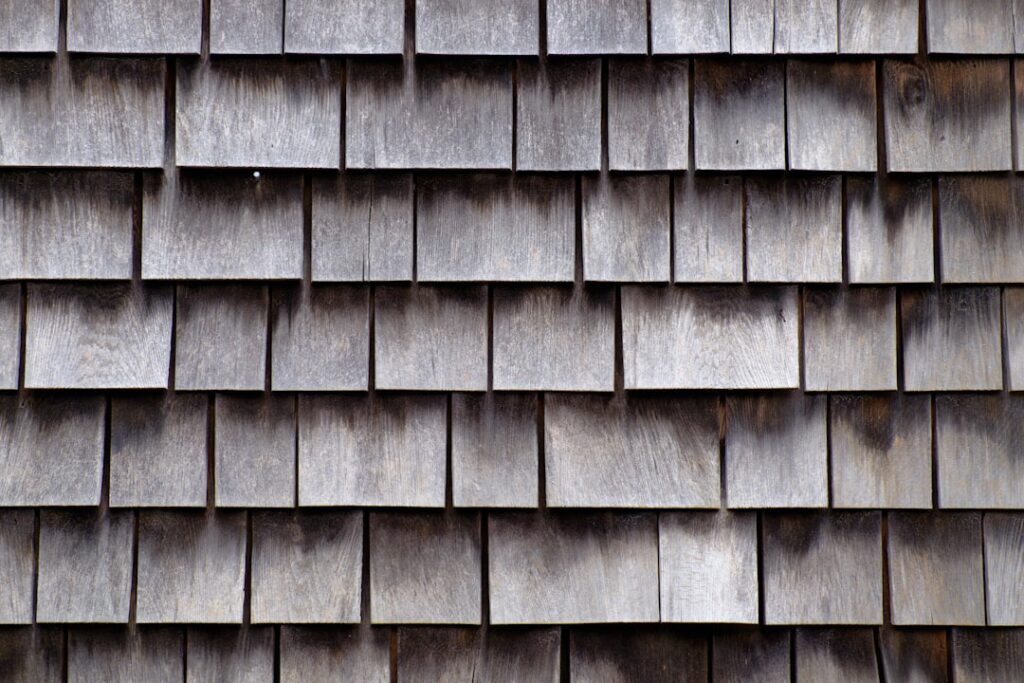
If you’ve watched any home renovation show in the last decade, you’ve heard the term, but many homeowners still ask exactly what is shiplap siding and whether it makes sense for their project. In short, shiplap is a style of wooden board that features a distinctive rabbeted, or notched, edge allowing each plank to overlap the next in a tight, weather-resistant joint. Originally a practical exterior cladding, it has become one of the most popular interior wall treatments in modern design.
In this guide I’ll explain how shiplap actually works, where it comes from, the materials it’s made from, its interior and exterior uses, real costs, and the honest pros and cons so you can decide whether it belongs in your home.
- The Defining Feature: The Rabbet Joint
- A Brief History of Shiplap
- Materials: From Solid Wood to Engineered Options
- Interior Versus Exterior Use
- Cost and What Drives It
- Pros and Cons to Weigh
- Shiplap Versus Tongue-and-Groove and Nickel Gap
- Maintenance and Care Over Time
- Installation Basics and Final Thoughts
The Defining Feature: The Rabbet Joint
What sets shiplap apart is the machined groove cut into the top and bottom edges of each board, called a rabbet. When boards are stacked, the lower edge of one plank overlaps the upper edge of the one below it, creating a snug, self-aligning joint. This overlap is what historically made shiplap so good at shedding water, since the boards channel moisture away rather than letting it seep between them.
That same overlap creates the small, consistent reveal, the narrow shadow line between boards, that gives shiplap its signature look. It’s a subtle detail, but it’s why installed shiplap has that clean, evenly spaced appearance. True shiplap should not be confused with tongue-and-groove boards, which interlock differently, or with plain butt-jointed planks that simply sit edge to edge.
A Brief History of Shiplap
Shiplap earned its name and its reputation in practical construction. The overlapping joint made it an effective, weather-tight sheathing for barns, sheds, and homes, particularly in regions with harsh weather, because it kept wind and rain out of the structure. In many older houses, shiplap was used as the rough sheathing hidden beneath the finished siding or plaster.
That hidden history is part of why the look feels so authentic today. Renovators tearing into old walls would discover the original shiplap boards underneath and choose to expose them, sparking the trend of shiplap as a decorative interior finish. What began as humble, functional lumber became a design statement prized for its texture, rhythm, and rustic-yet-clean character.
Materials: From Solid Wood to Engineered Options
Traditional shiplap is solid wood, most often pine for interior use because it’s affordable and takes paint well, or cedar and other rot-resistant species for exterior applications. Solid wood offers authentic character and can be stained or painted, but it’s susceptible to moisture movement, expanding and contracting with humidity.
Today you’ll also find engineered and alternative shiplap. MDF shiplap boards are smooth, stable, and inexpensive, ideal for painted interior walls but not for wet or exterior areas. For exterior siding, fiber cement and engineered wood shiplap products resist rot, insects, and fire far better than natural wood while mimicking the look. PVC and vinyl shiplap-style panels exist too, offering low maintenance for porches and damp spaces. Your choice should match the location and how much upkeep you want.
Interior Versus Exterior Use
Although shiplap started outdoors, most of today’s demand is for interior accent walls, ceilings, and whole rooms. Indoors, shiplap adds texture and a sense of craftsmanship to living rooms, bedrooms, entryways, and especially farmhouse-style kitchens and bathrooms. Painted crisp white, it reads bright and modern; stained or left natural, it feels warm and rustic. It’s a favorite for fireplace surrounds and feature walls.
For exterior siding, shiplap still performs beautifully when the right material is used. Fiber cement or properly finished cedar shiplap can clad an entire home or accent gables, entryways, and outbuildings with a clean horizontal line. Just remember that exterior applications demand proper flashing, moisture barriers, and sealing, because any siding is only as good as the water management behind it.
Cost and What Drives It
Shiplap costs vary widely by material and whether you install it yourself. For interior projects, budget MDF or pine boards run roughly $1 to $3 per square foot for materials, while premium wood species cost more. Professional installation typically adds $2 to $5 per square foot in labor, putting a finished interior accent wall in a very accessible range for most budgets.
Exterior shiplap siding is a larger investment. Fiber cement and engineered wood shiplap materials generally run $3 to $8 per square foot, and installed exterior siding often lands between $6 and $12 per square foot once you include labor, trim, and weatherproofing. As always, complexity, home height, and regional labor rates move these numbers, so get itemized quotes for a real project.
Pros and Cons to Weigh
The advantages are real. Shiplap delivers strong visual impact with texture and dimension that flat drywall can’t match, it’s relatively forgiving to install for a DIYer, and it suits many styles from farmhouse to coastal to modern. On exteriors, the overlapping joint provides genuine weather resistance. It can also hide imperfect walls, since the boards cover an uneven surface.
The downsides deserve honesty. The horizontal grooves collect dust and need occasional wiping, wood versions can warp or gap with humidity swings, and a poorly installed job with uneven reveals looks worse than plain drywall. Interior wood shiplap in bathrooms needs moisture-appropriate material and finish, or it’ll fail. Weigh these against the look you want.
Shiplap Versus Tongue-and-Groove and Nickel Gap
Shoppers often confuse shiplap with similar-looking board styles, and the differences matter for both looks and performance. Tongue-and-groove boards interlock with a protruding tongue on one edge that fits into a groove on the next, hiding the fasteners and creating a tight, flush seam with no visible gap. It’s excellent for ceilings and paneling but doesn’t produce shiplap’s characteristic shadow line.
Nickel gap is a variation of shiplap named for the small, consistent gap, roughly the thickness of a nickel, left between boards for a crisp, uniform reveal. Many people who say they want shiplap actually love the nickel-gap look. Plain butt-jointed planks, meanwhile, simply sit edge to edge with no interlock, so they lack both the weather resistance and the self-aligning ease of true shiplap. Knowing these distinctions helps you specify exactly the product and look you’re after when you talk to a supplier or contractor.
Maintenance and Care Over Time
Once installed, shiplap is fairly low-maintenance, but it does ask for a little attention that flat drywall doesn’t. The horizontal grooves and reveals collect dust, so periodic wiping or a quick pass with a vacuum brush attachment keeps interior shiplap looking fresh. Painted surfaces are easy to clean with a damp cloth, while stained or natural wood benefits from occasional dusting and, eventually, refreshing the finish.
In damp locations like bathrooms, keep an eye on the finish and reseal as needed to guard against moisture, and run ventilation to prevent the boards from absorbing humidity and warping. Exterior shiplap needs the same care as any wood or fiber cement siding: periodic cleaning, inspection of the finish, and repainting or resealing every several years to maintain its weather resistance. With modest upkeep, a shiplap installation stays attractive and functional for decades, which is a big part of its enduring appeal.
Installation Basics and Final Thoughts
Installing shiplap is within reach of a confident DIYer. The keys are starting perfectly level, since every board above references the first one, and using a small spacer or the board’s own rabbet to keep reveals consistent. Nail into studs, stagger the end joints for a natural look, and account for expansion by not jamming boards too tightly in humid conditions. Prime and paint or seal for durability.
So, to answer plainly what is shiplap siding: it’s an overlapping, rabbet-edged board that began as weather-tight exterior cladding and became a beloved interior finish. Whether you’re accenting a single wall or re-siding a house, choosing the right material for the location and installing it with care will give you a durable, characterful surface that stays stylish for years.