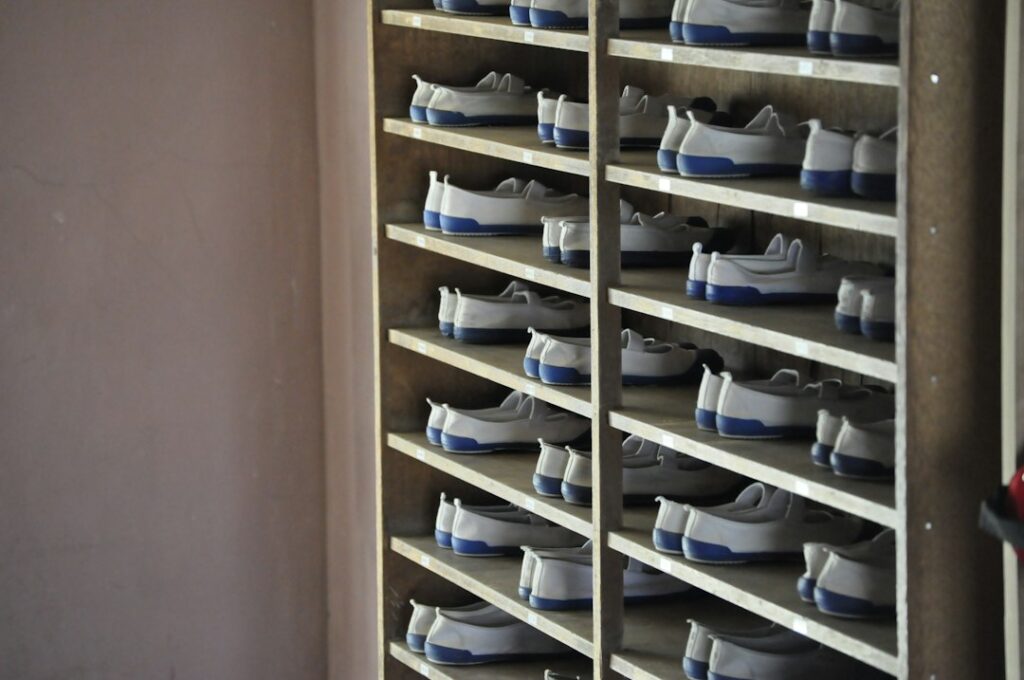
The average American household owns 19 pairs of shoes, and roughly 12 of them live in a tangled heap by the front door. Shoe shelf ideas that actually solve this problem go beyond a wire rack from Target; they think about wet boots in winter, sand from beach trips, and the awkward height of knee-high boots versus sneakers. After designing entryway storage for cottages, suburban mudrooms, and tight urban apartments, the patterns that work share three traits: ventilation, varied shelf heights, and a wipeable surface underneath. I will walk through the configurations that solve real shoe storage problems.
- Built-In Mudroom Cubbies
- Bench With Storage Below
- Open Tower Shelves for Closets
- Tilted Shoe Racks: Maximize Vertical Space
- Floating Shelf Walls for Display
- Outdoor and Garage Solutions
- Hidden Storage: Stairs and Toe-Kick Drawers
- Material and Surface Choices
- Putting It All Together
- Maintenance and Long-Term Care
Built-In Mudroom Cubbies
The gold-standard solution for families is a built-in bank of cubbies along one wall of a mudroom or entryway. Each cubby holds one person’s daily shoes, with a hook above for coats and a basket above the hook for hats and gloves. Typical cubbies measure 14 inches wide by 14 inches deep by 16 inches tall.
For a family of four, plan a 56-inch-wide unit with four columns. Materials run $480-$780 for cabinet-grade plywood and trim. A local carpenter installs for $1,200-$2,400 in labor. Pre-fab options from California Closets or The Container Store’s Elfa system run $1,800-$3,500 turnkey for a comparable footprint.
Bench With Storage Below
For smaller entryways without room for a full wall of cubbies, a storage bench delivers the most function in 48-60 inches of width. The IKEA HEMNES shoe storage bench, $279, holds 8-10 pairs with a flip-down compartment. The Pottery Barn Hudson bench at $999 upgrades to solid wood and a heavier build.
For DIY builds, use a sheet of 3/4-inch plywood from Lowe’s ($72), four 4×4 legs ($24), and pocket screws from a Kreg jig you may already own. A 5-foot bench with two open shelves below comes together in a Saturday for under $150 in materials.
Open Tower Shelves for Closets
Closet-based shoe storage works best with vertical tower units. The Closetmaid Selectives 6-Cube Organizer at $189 holds 12-18 pairs in a 24-inch-wide footprint. For a higher-end look, the Container Store’s Elfa shoe shelf system runs $340-$580 for a 30-inch-wide configuration.
- Wire-grid shelves (Whitmor, Honey-Can-Do): $25-$60 budget tier
- Stacking acrylic shoe cubbies (The Container Store): $14 each, mid-tier
- Solid wood tower (IKEA Billy adapted): $89-$160
- Built-in tower (cabinet-grade): $400-$800
- Elfa or California Closets custom: $600-$1,400
For boots and tall shoes, leave at least 14 inches of vertical clearance per shelf. Standard sneaker shelves can use 6-8 inches.
Tilted Shoe Racks: Maximize Vertical Space
A tilted shoe rack angles shelves at 15-25 degrees so the shoe sits with the toe pointing down. This packs more shoes into a given vertical space than flat shelves. The IRIS USA tilted shoe rack ($45) holds 16 pairs in a 20-inch-wide footprint.
For DIY, rip 1×6 boards on a table saw to create slanted dividers. Mount on French cleats at 16-inch on-center spacing. Tilted racks work especially well in closet doors where flat shelves cannot fit because of the door swing.
Floating Shelf Walls for Display
For sneakerheads or anyone curating a small collection, floating shelves treat shoes as art. Mount 6-inch-deep walnut or white oak floating shelves at 14-inch vertical spacing across one wall. Each shelf holds 4-5 pairs displayed side-by-side.
Use a IKEA LACK floating shelf at 12 inches deep ($24 each) for a budget version. For an elevated look, Crate and Barrel TJ floating shelves in walnut run $169-$269 each depending on length. Light each shelf with a Hue Lightstrip Plus ($65 for an 80-inch strip) for a gallery effect.
Outdoor and Garage Solutions
For households where shoes pile up in the garage or a covered porch, drainage and ventilation matter. The Suncast garage shoe rack with mesh shelving ($89) drains water from wet boots. Steel wire racks from Closetmaid hold up to weather better than wood.
For ski boots, hiking boots, and seasonal items, a tall locker-style unit from Sterilite ($249) keeps everything contained. Avoid solid plywood in garages without climate control; humidity cycles warp shelves and damage shoes long-term.
Hidden Storage: Stairs and Toe-Kick Drawers
Under-stair drawers are the most underused storage in American homes. Each tread can become a pull-out drawer, holding 2-3 pairs. Conversion costs run $1,200-$3,000 depending on the staircase, but the payoff is dramatic in entryways with no other floor space.
Toe-kick drawers under kitchen islands and built-in benches add another stealth option. The IKEA HEMNES bench has hidden compartments under the seat. Custom builds with soft-close Blum hardware add $80-$140 per drawer. These work especially for shoes worn weekly but not daily.
Material and Surface Choices
The shelf surface determines maintenance. Cabinet-grade plywood with a clear polyurethane finish wipes clean and survives wet boots. Painted MDF works in dry climates but swells in humid mudrooms. Solid wood looks best but needs occasional refinishing.
For the floor of shoe storage, install a wipeable surface. A 1/4-inch tempered Masonite panel painted with Sherwin Williams Emerald floor enamel ($75 per gallon) creates a durable, washable base. For premium builds, a porcelain tile or quartz remnant under the cubbies catches mud and wipes down in seconds.
Putting It All Together
The most successful shoe shelf ideas combine zones based on use frequency. Daily shoes go in the entryway cubby or bench, immediately reachable. Weekly shoes (gym, dress) live in the closet tower. Seasonal and special-occasion shoes live in the garage locker or under-stair drawer.
Audit your shoe collection annually. The 19-pair average includes pairs not worn in 18 months. Donate or sell what you have not worn, then size your shelves to the remaining collection rather than imagining future shoes.
Maintenance and Long-Term Care
A weekly habit keeps any shoe storage system functional. Pull every pair, wipe shelves with a damp cloth, and check soles before placing shoes back. Salt residue from winter sidewalks crystallizes on leather within days and shortens shoe life dramatically. A Kiwi saddle soap conditioner ($6) used every two months extends leather shoes by years.
For sneakers, place a small silica gel pack inside each pair between wears. The packs absorb moisture that causes interior breakdown and odor. The Eva-Dry E-333 Renewable Mini Dehumidifier ($16) handles a full closet of sports shoes and recharges in a wall outlet. Right-sized storage stays organized; oversized storage attracts clutter you do not need.