A wet shower floor is one of the most slippery surfaces in your home, and shower floor mats are a simple, affordable way to make it safer. Beyond grip, the right mat adds comfort underfoot, protects a tub surface, and can even improve drainage. With so many materials and styles on the market, though, picking the wrong one leads to mold, curling edges, or a mat that slides as much as the tile it covers.
Part of our Bathroom Remodeling & Flooring guide — explore the full guide →
This guide breaks down the common materials, the safety features that actually matter, how to size and place a mat, and the cleaning routine that keeps it fresh. By the end you will know exactly which type fits your shower and your household.
Why Use a Shower Floor Mat
The main reason is slip prevention. Wet tile, fiberglass, and acrylic become dangerously slick, and a fall in a hard-surfaced shower can cause serious injury. A textured, gripping mat gives your feet something to hold onto. This matters most for older adults, children, and anyone with balance or mobility concerns, but everyone benefits from steadier footing.
Mats also add cushioning on hard floors, shield a tub or shower pan from dropped bottles and scratches, and help channel water toward the drain instead of letting it pool. A good mat is cheap insurance against an expensive accident.
Common Materials and Their Trade-offs
The material defines how a mat grips, drains, feels, and resists mold.
- Rubber mats grip well and last a long time, though lower-grade rubber can develop odors over time.
- PVC and vinyl mats are lightweight, inexpensive, and easy to rinse, but some contain plasticizers and may feel less premium.
- Bamboo and teak mats sit on top of the floor like a slatted platform, offering a spa look and excellent drainage when properly dried.
- Silicone and TPE mats are flexible, generally free of certain harsh additives, and often dry quickly.
- Microfiber or chenille mats are meant for outside or just at the shower entry to absorb drips, not for standing on inside a wet stall.
Match the material to your priorities. If mold worries you most, favor quick-drying silicone or a raised wood platform. If cushioning is the goal, a thicker rubber mat wins.
Non-Slip Features That Matter
A mat only helps if it stays put and grips your feet. Look for two separate grip systems. The bottom should have suction cups or a high-friction backing that anchors the mat to the shower surface so it cannot slide. The top should have a raised texture, nubs, or a non-smooth pattern that channels water away and keeps your soles from skating.
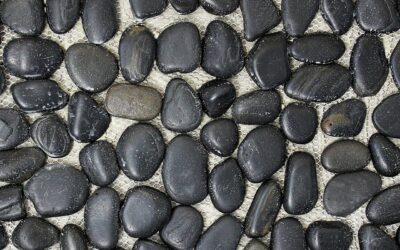
Suction cups work best on smooth, non-porous surfaces like acrylic, fiberglass, and glazed tile. On textured stone, pebble floors, or grouted tile with many seams, suction cups struggle to seal, so a heavier non-suction mat or a raised wood platform performs better. Test the grip before you trust it.
Sizing and Drainage
Measure your shower floor before buying. A mat that is too large will curl up the walls and trap water, while one that is too small leaves slippery zones exposed. Many mats come in standard rectangular sizes, but you can also find square mats for stall showers and contoured shapes designed for tub-shower combos.
Drainage is just as important as fit. Mats with drainage holes or open slat designs let water pass through to the drain instead of sitting in a puddle beneath the mat. Trapped water is the number one cause of mold and mildew, so prioritize a design that breathes. If a mat lacks holes, plan to lift and dry it after every use.
Preventing Mold and Mildew
The warm, damp environment of a shower is ideal for mold, and a mat that stays wet becomes a breeding ground fast. A few habits keep yours clean.
- Hang the mat over the tub edge, a hook, or a towel bar to air-dry after each shower rather than leaving it flat on the floor.
- Rinse it with clean water regularly to wash away soap scum and body oils that feed mildew.
- Run the bathroom fan or open a window to lower humidity in the room overall.
- Inspect the underside weekly, since mold often starts where the mat meets the floor.
If you see pink or black spots forming, clean them promptly before they spread into the mat’s texture where they are hard to remove.
How to Clean Shower Floor Mats
Routine cleaning keeps a mat safe and good-looking. For rubber, silicone, and PVC mats, scrub with a brush and a mix of warm water and mild dish soap, then rinse thoroughly. For deeper cleaning or to kill mildew, many mats tolerate a diluted vinegar soak or a bleach solution, but always check the manufacturer’s care instructions first, since strong chemicals can degrade some materials.
Some rubber and silicone mats are top-rack dishwasher or washing-machine safe, which makes deep cleaning effortless. Wooden mats need different care: rinse and dry them fully, and oil teak periodically to protect it from moisture. Never put a wood mat in a washer.
Choosing the Right Mat for Your Home
Start with your floor type, then your top priority. For a smooth acrylic tub, a suction-backed rubber or silicone mat with drainage holes covers most needs. For a tiled or pebble shower floor where suction fails, a raised teak or bamboo platform offers grip and a clean look. For households with elderly members or small children, prioritize the strongest non-slip backing and the most aggressive top texture you can find.
Whatever you choose, dry it regularly and replace it once the suction cups stop holding or the surface starts to break down. Affordable and easy to swap, quality shower floor mats deliver real safety and comfort for one of the slipperiest spots in the house.
Alternatives and Permanent Options
A mat is the easiest, most flexible solution, but it is not the only one. If you want grip without a removable mat to clean and dry, consider clear non-slip strips or appliques that adhere directly to the shower floor and add traction in the spots where you stand. These stay put permanently and disappear visually, though they can collect grime along their edges and are harder to remove later.
For a more lasting fix during a remodel, an anti-slip coating or an etching treatment can be applied to an existing tub or tile floor to raise its slip resistance. When building a new shower, choosing a textured or honed tile rather than a high-gloss one builds safety into the surface from the start. Many homeowners combine approaches, pairing a slip-resistant floor with a mat in the highest-traffic zone for extra peace of mind.
Prefer to explore on your own?
See how new flooring looks in your actual room in seconds — free, no signup.
Try the free Floor Studio →