If you have ever peeled a rubber bath mat off the tub and found a black, slimy colony staring back at you, you already understand the problem. Finding a shower mat that doesn’t mold is less about luck and more about understanding why the cheap ones fail and which materials actually shrug off moisture. The fix is simple once you know what to look for.
Part of our Bathroom Remodeling & Flooring guide — explore the full guide →
Why Standard Shower Mats Grow Mold and Mildew
Mold needs three things to thrive: moisture, warmth, and a food source. A bathroom hands all three over on a silver platter. The water temperature in most showers runs between 100°F and 105°F, and the air stays humid for 20 to 30 minutes after you turn the faucet off. That is a near-perfect incubator.
The real culprit, though, is design. Most budget mats use dozens of small suction cups on the underside to grip the tub. Those cups trap a thin film of water against the surface, and that water never dries. Soap scum, dead skin cells, and body oils collect in the same spot, feeding the colony. Within a few weeks you get the telltale pink film of Serratia bacteria, followed by black mildew. PVC and foam mats are especially bad because the plasticizers actually become a nutrient source as the material degrades.
Materials That Genuinely Resist Mold
Switching materials is the single biggest upgrade you can make. Here are the best options, roughly in order of how well they hold up.
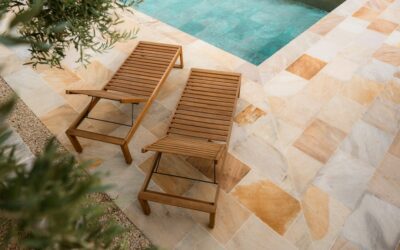
- Teak and bamboo slat mats: Natural teak contains oils that repel water, and the open-slat design lets air circulate underneath. A solid teak mat runs $40 to $90 but lasts a decade with minimal care.
- Silicone mats: Non-porous, flexible, and naturally inhospitable to mold. Quality silicone mats with built-in drainage cost $25 to $45 and tolerate hot water without breaking down.
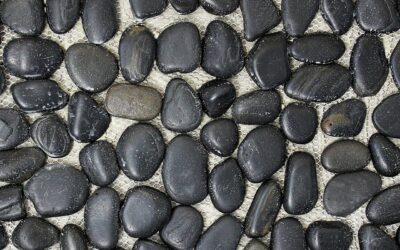
- Stone and diatomaceous earth bath mats: These rigid mats sit outside the tub and absorb water in seconds, then dry themselves. A diatomaceous earth mat costs $30 to $60 and feels chalky and dry within minutes.
- Antimicrobial, PVC-free TPE mats: Thermoplastic elastomer mats treated with antimicrobial additives resist colonization far better than vinyl. Expect to pay $20 to $35.
Notice what these have in common: either they refuse to hold water, or they dry so fast that mold never gets a foothold.
The Drainage Hole Difference
Whatever flexible mat you choose, drainage holes are non-negotiable. A mat with a grid of open holes lets water fall straight through to the tub floor instead of pooling between the mat and the surface. Look for mats with at least 100 to 150 perforations across the surface, not the token dozen you see on cheap models. Some silicone mats use a raised-pyramid texture that lifts the foot surface a few millimeters off the tub, which keeps your feet out of standing water and gives airflow underneath.
Machine-Washable Options Worth Buying
For anyone who would rather toss the mat in the wash than scrub it, a few materials handle the machine well. Microfiber and chenille bath mats with a non-slip latex-free backing can go in on a warm cycle, though you should wash them weekly. Some silicone and rubber mats are also dishwasher-safe on the top rack, which is the easiest sanitizing method. Avoid memory-foam mats here; the foam core holds water deep inside and never fully dries, which defeats the entire purpose.
When you wash a fabric mat, skip the fabric softener. Softener leaves a residue that traps moisture and actually feeds mildew over time.
How to Clean and Dry a Mat to Prevent Mold
Even the best material will eventually stain if you ignore it. Build a short routine and you will rarely see mold again.
- After every shower, lift the mat and drape it over the tub edge or a towel bar so both sides air out. This one habit prevents the majority of mold problems.
- Once a week, spray the mat with a 50/50 mix of white vinegar and water, let it sit 10 minutes, then rinse. Vinegar kills most surface mold and dissolves soap scum.
- For stubborn spots, make a paste of baking soda and water, scrub with an old toothbrush, and rinse thoroughly.
- Monthly, soak rubber or silicone mats in a solution of one cup of bleach per gallon of warm water for 10 minutes, then rinse well and air dry. Wear gloves and ventilate the room.
For teak mats, occasionally wipe them with teak oil to refresh the natural water resistance. Never seal them with polyurethane, as that traps moisture in the wood.
Price Ranges and What You Actually Get
Spending a little more upfront saves money over the years because you stop replacing failed mats every few months. Budget vinyl mats at $8 to $15 will mold within a season. Mid-range silicone and TPE mats at $20 to $45 give you several years of service. Premium teak and diatomaceous earth options at $40 to $90 can last a decade. When you average the cost over the lifespan, the expensive mat is usually the cheapest choice.
Recommendation for Most Bathrooms
If you want the closest thing to a maintenance-free option, buy a teak slat mat for inside the tub and a diatomaceous earth mat for stepping out. That combination handles both wet zones, dries on its own, and looks far better than rubber. If you prefer something soft underfoot, a perforated silicone mat with a strong vinegar-rinse habit is the next best thing.
The bottom line is that a true shower mat that doesn’t mold comes down to picking a non-porous or fast-drying material, demanding real drainage, and spending two minutes a day letting it air out. Do that, and you will never scrub another black colony off your tub again. Your bathroom stays cleaner, your air stays healthier, and you stop wasting money on mats that fail before the season is out.