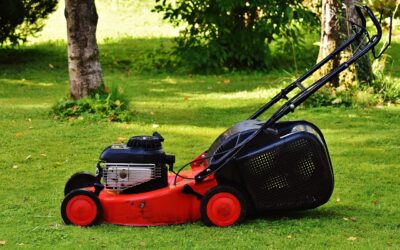
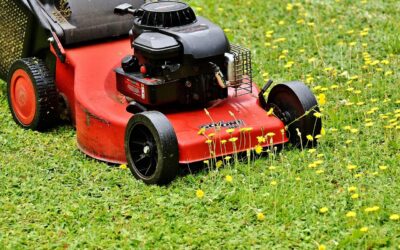
Skil built its name on corded circular saws, but the brand has quietly become a real contender in cordless yard tools, and the Skil lawn mower lineup runs on the same PWR CORE 40 battery that powers its blowers and trimmers. For a homeowner with a quarter-acre or less who is tired of gas, oil, and pull-starts, a Skil cordless mower delivers push-button starts and brushless torque for a mid-tier price, usually $300 to $450 with a battery and charger included. Here is what these mowers do well, where they fall short, and how to choose the right configuration.
- The PWR CORE 40 Battery System
- Deck Sizes and Cutting Performance
- Brushless Motor and Why It Matters
- Runtime, Charging, and Real-World Coverage
- Mulching, Bagging, and Side Discharge
- How Skil Compares to Ego, Ryobi, and Gas
- Maintenance and Long-Term Care
- Push vs. Self-Propelled Skil Models
- Setting Up and Storing for Winter
- Common Questions Before You Buy
The PWR CORE 40 Battery System
The heart of any cordless mower is its battery platform, and Skil’s is the PWR CORE 40 line, a 40-volt system with a clever twist. Skil’s flagship batteries include cooling technology the company calls PWR ASSIST and PWR JUMP, which are designed to charge faster and run cooler than standard cells. A 5.0Ah PWR CORE 40 pack is the common mower battery, and Skil’s fast charger can bring it to a usable charge in well under an hour.
The practical benefit is cross-compatibility. Once you own one 40V battery, it slides into a Skil string trimmer, leaf blower, or hedge trimmer, so you build a tool family around a single charger. If you already own PWR CORE 40 tools, the mower is an easy add; if you are starting fresh, factor a spare battery into the cost so you never run dry mid-mow.
Deck Sizes and Cutting Performance
Skil’s mowers are sized for small and mid-size suburban lots. You will most often see a 20-inch cutting deck, which is the sweet spot for yards under a quarter acre. A 20-inch deck balances runtime against coverage; a wider deck cuts faster but drains the battery quicker.
Cut-height adjustment is handled by a single lever that moves all four wheels together, typically spanning about 1.5 to 4 inches across six or seven positions. That range covers everything from a low summer cut to a taller, drought-friendly height. The brushless motor delivers steady blade speed under load, so it does not bog down in moderately thick grass the way a cheap brushed mower does.
Brushless Motor and Why It Matters
Skil equips its better mowers with a brushless motor, and this is not just marketing. A brushless motor has no carbon brushes to wear out, runs cooler, and converts more battery energy into cutting power instead of heat. In practical terms that means longer runtime per charge, less maintenance, and a motor that should outlast the battery.
Brushless designs also adjust power to the load. When you push into taller grass, the motor draws more current and holds blade RPM; on a thin patch it eases off to conserve the battery. Compared with a gas engine, you get instant full torque the moment you squeeze the bail, with none of the choke, prime, and pull ritual.
Runtime, Charging, and Real-World Coverage
Battery mowers live and die by runtime, and expectations need to be realistic. With a single 5.0Ah PWR CORE 40 battery, a Skil 20-inch mower typically covers roughly a third of an acre on a charge in average conditions, though thick or wet grass cuts that meaningfully.
To get the most out of each charge, keep these habits:
- Mow when the grass is dry; wet clippings drag the motor and drain the pack
- Keep the blade sharp, since a dull blade forces the motor to work harder
- Raise the cut height in peak summer to reduce load
- Buy a second battery so you can swap and keep mowing while one charges
Because the fast charger tops a pack in under an hour, a two-battery setup effectively gives you unlimited runtime for any residential lot.
Mulching, Bagging, and Side Discharge
Most Skil mowers are 3-in-1 machines, meaning they mulch, bag, and side-discharge. Mulching is the default and healthiest option for your lawn, chopping clippings fine and dropping them back to feed the soil with nitrogen. The included rear bag, usually around 10 to 13 gallons, handles cleanup mowing and leaf collection in fall.
Switching modes takes seconds: insert the mulch plug for mulching, attach the bag for collection, or fit the side-discharge chute for tall or overgrown grass you do not want to bag. For a small yard, most owners simply mulch all season and only reach for the bag after a long rain when clippings clump.
How Skil Compares to Ego, Ryobi, and Gas
Skil sits in the value-to-midrange slot of the cordless market. Against premium brands like Ego, Skil is generally less expensive but offers a narrower tool ecosystem and slightly less peak power. Against Ryobi, the two are close competitors; your choice often comes down to which battery platform you already own.
Versus a gas mower, the Skil wins on convenience, noise, and maintenance and gives up some raw power and unlimited runtime. If you have a flat lot under a quarter acre and value a quiet, oil-free start every time, the trade strongly favors cordless. If you mow half an acre of thick, hilly turf every week, a self-propelled gas mower or a larger battery platform is still the more practical tool.
Maintenance and Long-Term Care
A cordless Skil lawn mower needs a fraction of the upkeep a gas mower demands. There is no oil to change, no spark plug, no carburetor to gum up over winter. Your maintenance list is short but not zero:
- Sharpen or replace the blade once or twice a season for a clean cut
- Clear grass buildup from under the deck after each mow to protect airflow
- Store the battery indoors at moderate temperature, ideally at a partial charge for long winter storage
- Wipe the terminals clean and keep them dry
Store the mower folded in a garage or shed out of the weather, and the battery away from freezing temperatures. Treated this way, a Skil mower and its PWR CORE 40 battery will give a small-lot homeowner many seasons of quiet, reliable, no-fuss mowing. For the right yard, it is one of the easiest gas-to-battery switches you can make.
Push vs. Self-Propelled Skil Models
Skil offers its mowers in both push and self-propelled configurations, and the right choice depends on your terrain and how much you want to work. A push model is lighter, simpler, and cheaper, and on a flat yard the light weight of a cordless mower means pushing takes little effort. There is no drive system to maintain and one less thing to fail.
A self-propelled model adds a drive that pulls the mower forward at a walking pace you control, which pays off on slopes, longer runs, or if you simply do not want the exercise. The trade-offs are a higher price, slightly shorter runtime because the drive draws from the same battery, and a bit more weight. If your lot has any meaningful grade, the self-propelled version is worth the premium; on a small, flat lawn, the push model is the better value.
Setting Up and Storing for Winter
Getting a new Skil mower running is refreshingly simple compared to gas. Unfold the handle, snap it into position, insert a charged battery, and squeeze the safety bail to start. There is no oil to add, no gas to mix, and no break-in period. Most owners are cutting grass within ten minutes of opening the box.
Winter storage is where cordless really shines, but it still deserves a few minutes of attention:
- Charge the battery to roughly half before long storage rather than leaving it full or empty
- Remove the battery and store it indoors above freezing, ideally between 40 and 75°F
- Clean caked grass from under the deck so it does not harden and hold moisture against the metal
- Fold the handle and stand the mower out of the weather
Come spring, there is no carburetor to clean or fuel to dump; you simply reinstall a charged battery and mow. That zero-fuss seasonal transition is one of the strongest arguments for going cordless in the first place.
Common Questions Before You Buy
Buyers weighing a Skil mower usually circle the same concerns. The biggest is runtime, and the honest answer is that a single battery suits small yards, while a spare battery is essential once you approach a third of an acre. Budget for two packs if your lawn is anything but tiny.
Another common question is durability of the deck. Skil uses a polymer or steel deck depending on the model; steel decks resist dents better but add weight, while polymer decks never rust and shed grass easily. Finally, buyers ask about warranty. Skil typically backs its cordless tools and batteries with a multi-year limited warranty, so register your purchase and keep the receipt. Answer those three questions for your own yard, runtime needs, deck preference, and warranty, and you will know quickly whether a Skil lawn mower is the right cordless machine for you.