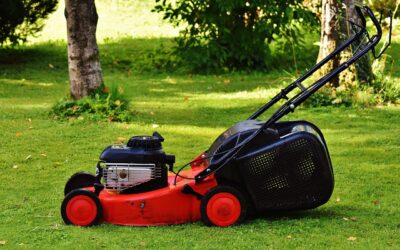
Nothing ruins a freshly cut lawn faster than a blanket of loose clippings smothering the grass beneath it. A lawn mower with bagger solves that problem by pulling grass, leaves, and debris straight off the deck and into a collection bag as you mow. For homeowners who want a manicured finish, fewer allergens, and a yard that looks professionally maintained, bagging is the difference between “cut” and “clean.” Roughly 40 percent of grass clippings by weight is nitrogen-rich material, so how you handle it matters for both looks and lawn health.
- How a Bagging System Actually Works
- Push, Self-Propelled, or Riding: Matching the Mower to Your Yard
- Bag Capacity and Why It Matters
- Bagging vs Mulching vs Side Discharge
- Key Features to Compare Before You Buy
- Getting a Full Bag Every Time: Pro Techniques
- Maintenance to Keep the System Running
- Common Bagging Problems and How to Fix Them
- Is a Bagger Worth It for You?
How a Bagging System Actually Works
When the blade spins at roughly 3,000 RPM, it creates a vacuum under the deck. That airflow lifts each blade of grass upright for a cleaner cut, then carries the severed clippings through a discharge chute into a fabric or hard-shell bag. Rear-bag models route clippings up and back, while side-bag units push them out the right side of the deck.
The efficiency of that airflow depends on blade sharpness, deck design, and how fast you walk. Push too quickly through thick grass and the chute clogs. Most bagging mowers include a “high-lift” blade with a pronounced upward wing specifically engineered to move air and pack the bag tightly rather than leaving it half full.
Push, Self-Propelled, or Riding: Matching the Mower to Your Yard
Yard size drives the decision more than any single feature. A quarter-acre lot behaves very differently under the sun than a full acre with slopes.
- Push mowers with bagger: Best for yards under 1/4 acre. A 21-inch Honda HRX217 or Toro Recycler runs $400 to $700 and holds around 2.5 bushels.
- Self-propelled baggers: Ideal for 1/4 to 1/2 acre or hilly terrain. Rear-wheel drive units like the EGO LM2135SP handle inclines without wearing you out. Expect $500 to $900.
- Riding mowers with bagger: For 1/2 acre and up. A twin-bag or triple-bag catcher on a John Deere or Cub Cadet holds 6.5 to 11 bushels and costs $2,000 to $4,500 with the collection kit.
Bag Capacity and Why It Matters
Capacity is measured in bushels, and it determines how many times you stop to empty. A 2-bushel walk-behind bag fills in about 1,500 to 2,000 square feet of average-height grass. On a lush spring lawn growing fast, you might dump it twice as often.
Riding-mower baggers with 6.5 to 11 bushels let you cover most of a half-acre before unloading. Some premium systems add a “bag full” sensor or a blocked-chute alarm so you are not dragging a stuffed bag and leaving windrows behind. If you hate stopping, buy more capacity than you think you need.
Bagging vs Mulching vs Side Discharge
Most modern mowers are “3-in-1,” meaning you can bag, mulch, or side-discharge by swapping a plug and chute. Each mode has a job.
When to Bag
Bag during heavy leaf drop in October, when grass is overgrown, or when you are collecting clippings for compost. Bagging also removes weed seed heads before they spread, which is a genuine tool for lawn management.
When to Mulch Instead
During normal weekly cuts in a healthy lawn, mulching returns nitrogen to the soil and can cut fertilizer needs by up to 25 percent. If you mow before the grass exceeds one-third of the recommended height, mulched clippings decompose within a week and disappear.
Key Features to Compare Before You Buy
Two mowers can look identical on the shelf and perform very differently in tall fescue. Focus on the details that affect bagging performance:
- Deck width: 21 inches is standard for walk-behinds; 42 to 54 inches on riders. Wider decks finish faster but need more airflow to bag cleanly.
- Engine or battery: A 150cc to 190cc gas engine or a 56V to 82V battery provides the torque to keep the blade at full speed while filling a bag.
- Bag material: Breathable fabric bags let air pass through so they pack fuller; solid plastic hoppers on riders resist tearing on brush.
- Height adjustment: Single-lever height control from 1 inch to 4 inches lets you dial in the right cut for the season.
- Wash-out port: A deck-cleaning hose fitting keeps clippings from caking under the deck and choking airflow.
Getting a Full Bag Every Time: Pro Techniques
A bagger only works as well as the airflow feeding it, and that airflow is easy to sabotage. Start with a sharp blade. A dull blade tears grass, drops airflow, and leaves the bag half empty while clippings pile under the deck. Sharpen or replace the blade every 20 to 25 hours of use, roughly once per season for the average homeowner.
Mow when the grass is dry. Wet clippings clump, stick to the chute, and pack into a soggy mat that stops airflow cold. If you must cut damp grass, slow your walking pace and raise the deck a half-inch. Overlap each pass by 2 to 3 inches so the vacuum never has to lift a full-width row of standing grass, and keep engine RPM high by not bogging the machine in the thickest patches.
Maintenance to Keep the System Running
A bagging mower asks for a little more upkeep than a plain side-discharge unit because the airflow path must stay clear. After every few mows, pull the bag and knock out packed grass from the frame and chute. Rinse the underside of the deck through the wash-out port; a clean deck can improve bagging by a noticeable margin.
Check the bag fabric for holes and worn seams, since a torn bag leaks dust and clippings. On gas models, change the oil every 50 hours and replace the air filter annually. Battery baggers need almost nothing beyond a clean deck and a charged pack stored above 40°F. Replacement bags run $30 to $80, and a full triple-bagger kit for a rider is $300 to $450 if yours wears out.
Common Bagging Problems and How to Fix Them
Even a good bagger acts up when conditions turn against it, and most complaints trace to a handful of causes you can fix in minutes. The most frequent is a bag that fills only halfway while clippings pile under the deck. That almost always means poor airflow, a dull blade, wet grass, or a clogged chute. Sharpen the blade, wait for the lawn to dry, and clear the discharge path, and the bag packs tight again.
Another common gripe is clumping in tall grass. When you let the lawn grow past 5 or 6 inches between cuts, the mower has to move a huge volume of material at once and the chute chokes. The fix is to raise the deck to its highest setting, take a first pass to knock the grass down, then lower the deck and cut again. On a heavily overgrown yard, two passes at different heights bag far better than one aggressive low cut.
Dust and fine debris blowing back at you usually means the bag fabric has clogged with packed clippings that block the airflow escape. Knock the bag out, and if it stays clogged, the fabric pores may be caked with dried grass and need a thorough cleaning or replacement. A bag that leaks fine dust everywhere is telling you it is either full or dirty.
Is a Bagger Worth It for You?
If you deal with heavy fall leaves, want a golf-course finish, or manage a lawn prone to fungal disease where removing clippings helps, a lawn mower with bagger pays for itself in appearance and lawn health. For a small, healthy lawn cut weekly, mulching may serve you better most of the year with the bag ready for cleanup season. The good news is that a quality 3-in-1 mower gives you both, so you are never locked into one approach. Buy the capacity that matches your yard, keep the blade sharp, and the bag will do the rest.