A gorgeous patio does not require a five-figure budget or a contractor’s crew, which surprises homeowners who assume a paved outdoor space is out of reach. The best small cheap patio paver ideas lean on smart layouts, affordable materials, and a little weekend sweat to turn a bare patch of yard into an inviting retreat for under a few hundred dollars. When your footprint is small, every design choice counts more, and that constraint actually works in your favor because a compact space needs fewer pavers, less base material, and far less labor to look polished.
Part of our Decks & Outdoor guide — explore the full guide →
- Why Small Patios Are Easier on the Budget
- Affordable Paver Materials That Look Great
- Layout Ideas That Maximize a Small Space
- Budget DIY Installation Tips
- Decorating on a Shoestring
- Design Themes for Different Styles
- Mistakes That Waste Money
- Tools You Need for a Budget Build
- Keeping Your Patio Looking New
- Bringing It All Together
Why Small Patios Are Easier on the Budget
A patio in the 8-by-10 to 12-by-12 range keeps material costs low because you are covering 80 to 150 square feet rather than 400. At $2 to $5 per square foot for basic concrete pavers, that is roughly $200 to $600 in stone, and often far less if you catch a sale. Smaller areas also mean you can rent a plate compactor for a single day, mix a manageable amount of base gravel, and finish the whole project in a weekend without hiring help.
The compact scale rewards restraint. A tidy square or rectangle reads as intentional and high-end, while a sprawling patio in cheap materials can look bare. Working small lets you spend a little more per paver on a nicer texture without blowing the total budget.
Affordable Paver Materials That Look Great
You do not need bluestone or travertine to get a beautiful result. Several budget-friendly materials punch well above their price:
- Concrete pavers: The workhorse at $1 to $4 each, available in shapes and colors that mimic brick or stone.
- Poured or broken concrete (urbanite): Reclaimed concrete slabs laid like flagstone cost almost nothing and give a rustic, eco-friendly look.
- Pea gravel with paver accents: A gravel base studded with a few large pavers is one of the cheapest patios you can build.
- Brick: Salvaged or clearance brick lends timeless charm and lays easily in small runs.
- Flagstone offcuts: Ask stone yards for irregular pieces and remnants sold at a steep discount.
Mixing a modest quantity of a premium paver with a cheaper infill like gravel stretches your dollars while keeping the design interesting.
Layout Ideas That Maximize a Small Space
Layout does more for a small patio than material ever will. A simple running-bond or grid pattern makes a compact area feel orderly and larger, while a diagonal 45-degree layout tricks the eye into perceiving more depth. For a truly tiny corner, a circular paver kit creates a focal point that feels custom without demanding precise cutting.
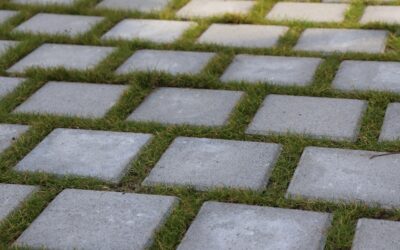
Floating pavers set into gravel or grass with small gaps between them read as modern and cost far less than a fully paved surface because you buy fewer stones. This spaced approach also improves drainage and softens the look with greenery peeking through the joints. Whatever pattern you choose, keep the shape simple; a clean rectangle or square almost always looks more expensive than a busy, curvy outline in a small yard.
Budget DIY Installation Tips
The base is where a cheap patio either lasts for decades or heaves in a single winter, so do not skimp on prep even when saving money. Excavate about 6 inches, lay 4 inches of compacted gravel, add an inch of leveling sand, and set your pavers on top. Renting a plate compactor for $50 to $80 a day makes the base rock solid and prevents the uneven settling that plagues rushed projects.
Keep costs down by sourcing gravel and sand in bulk from a landscape supplier rather than by the bag, which can cut base material spending in half. Borrow or rent tools instead of buying, and recruit a friend for the heavy lifting. Finish the joints with polymeric sand, roughly $20 to $30 a bag, to lock the pavers together and discourage weeds.
Decorating on a Shoestring
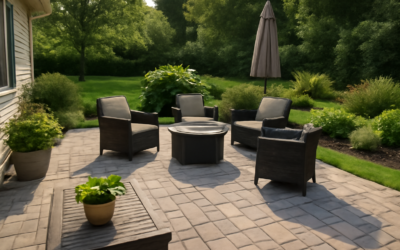
Once the pavers are down, inexpensive touches transform the space into a destination. String lights hung from a fence or a single post cost $15 to $30 and instantly add evening ambiance. Thrifted or clearance outdoor furniture, a couple of potted plants, and an outdoor rug layered over the pavers create a cozy room-like feel for very little.
Surround the patio with low-cost gravel borders, mulch beds, or hardy perennials to frame it and blur the line between hardscape and garden. A fire bowl or a small tabletop fire feature under $100 becomes the centerpiece that makes guests forget the whole patio cost less than a night out for a family of four.
Design Themes for Different Styles
Match the vibe to your home and taste. For a modern look, use large-format gray concrete pavers set in a clean grid with pea gravel joints and minimalist black furniture. A cottage or rustic feel comes from salvaged brick laid in a herringbone pattern with creeping thyme growing between the stones. Mediterranean warmth is easy to fake with terracotta-toned pavers, a couple of glazed pots, and a string of warm-white lights overhead.
Coastal and casual styles love a mix of weathered wood furniture over sand-colored pavers, while a bohemian corner thrives with a bright outdoor rug, floor cushions, and lanterns. The pavers form the neutral canvas; your accessories set the mood without adding much to the bill.
Mistakes That Waste Money
The most common budget-killer is skipping proper base prep, which leads to sunken, wobbly pavers and a redo within a year or two. Buying trendy specialty pavers when a plain concrete unit would look just as good in a small space is another needless expense. People also over-order material; measure carefully and add only about 5 to 10 percent for cuts and breakage rather than guessing high. Finally, ignoring drainage on a small patio invites puddles, so pitch the surface a quarter inch per foot away from your house.
Tools You Need for a Budget Build
Part of keeping a patio cheap is not buying a truckload of specialty gear. Most of a small paver project relies on tools you likely own or can borrow: a spade and a flat shovel for excavation, a wheelbarrow for moving gravel and sand, a garden rake for spreading base, a rubber mallet for seating pavers, and a four-foot level to check your slope. A length of PVC pipe and a straight two-by-four make a serviceable screed for leveling the sand bed.
The one tool worth renting rather than skipping is a plate compactor, at $50 to $80 for the day, because hand-tamping a base never reaches the density that keeps pavers from settling. A masonry saw or an angle grinder with a diamond blade handles the few cuts a small patio needs, and you can often rent those too. Borrowing the big items from a neighbor or a tool library keeps your out-of-pocket spending focused on the stone, sand, and gravel that actually stay in the ground.
Keeping Your Patio Looking New
A cheap patio does not have to look cheap over time, and a little maintenance protects your small investment. Sweep the surface regularly to keep grit from grinding into the paver faces, and pull any weeds that sprout in the joints before they establish. Re-applying polymeric sand every couple of years locks the joints, discourages weeds, and keeps pavers from shifting underfoot.
Rinse off spills and stains promptly, and treat oil or grease with a degreaser rather than letting it soak in. An optional coat of paver sealer, at around $30 a gallon, deepens the color, resists stains, and makes future cleaning easier, though it is not strictly required. If a paver ever cracks or sinks, the beauty of the modular design is that you can lift and reset a single unit rather than redoing the whole patio, which keeps long-term costs as low as the build itself.
Bringing It All Together
A stylish outdoor space is well within reach when you combine smart layout, affordable stone, and a solid DIY base. The most successful small cheap patio paver ideas prove that a compact footprint is an advantage, letting you spend a little more per paver, finish the work in a weekend, and decorate with thrifted finds and string lights for a look that feels far pricier than it was. Start with a simple shape, build the base right the first time, and layer in personality with plants and lighting. The result is a durable, inviting patio that turns an unused corner of the yard into your favorite spot to unwind, all without straining your budget.