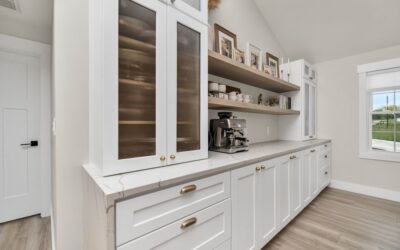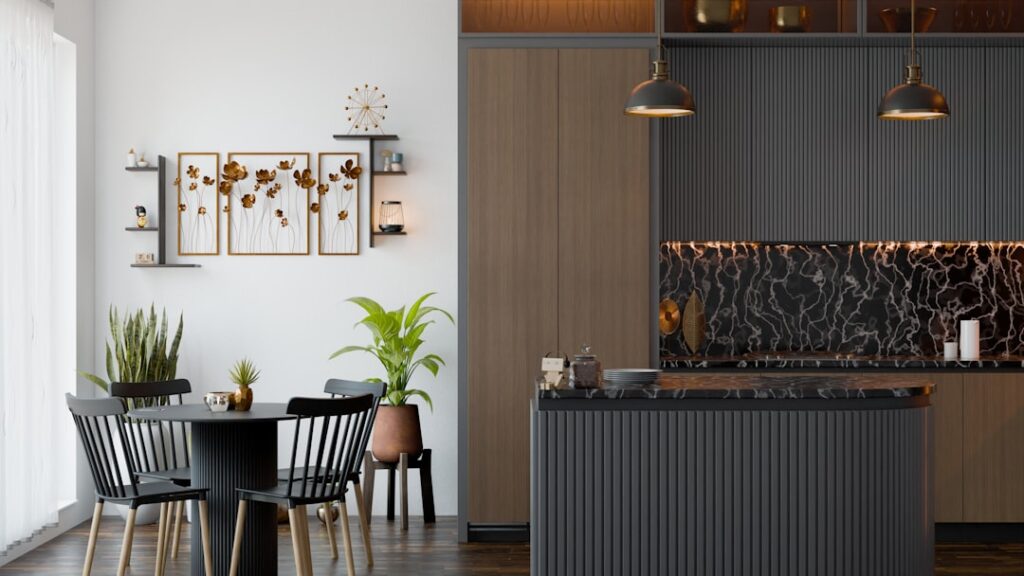
Not every kitchen has room for a walk-in pantry, but almost every kitchen has a spare 12 to 24 inches begging to be used. A small kitchen pantry cabinet turns that narrow gap into serious, organized food storage without knocking down a single wall. The key is choosing the right type for your space and depth, then setting it up so every inch earns its keep instead of becoming a black hole of forgotten cans.
Part of our Kitchen Remodeling guide — explore the full guide →
Types That Fit Tight Kitchens
Small pantry cabinets come in several formats, and the best one depends on whether you have wall space, floor space, or just a sliver between appliances.
- Freestanding tall cabinet: A standalone unit, often 15-24 inches wide, that slots against any open wall
- Pull-out (slide-out) pantry: A narrow 6-12 inch cabinet that rolls out on rails, perfect for gaps beside a fridge or range
- Corner pantry cabinet: Uses an awkward corner with a rotating or angled shelf system
- Over-the-fridge or wall-mounted cabinet: Reclaims high, unused vertical space
The slide-out style is the secret weapon for genuinely small kitchens because it exploits gaps too narrow for a hinged door, and everything comes to you rather than hiding in the back.
Standard Sizes to Know
Pantry cabinets follow common dimensions that make planning easy. Widths typically run 12, 15, 18, and 24 inches, with tall units standing 84 to 96 inches to reach toward the ceiling. Depth usually matches base cabinets at 24 inches, though shallow 12-inch versions exist for tight walls.
Before shopping, measure your available width, height, and depth carefully, and note any obstacles like trim, outlets, or door swings. A cabinet that is an inch too wide simply will not go in, so measure the tightest point of the opening.
Freestanding vs Built-In
Freestanding cabinets are the renter-friendly, no-commitment choice: you buy one, slide it into place, and take it with you when you move. They cost less and install in minutes, though they may not perfectly match your existing cabinetry.
Built-in and slide-out units integrate seamlessly with your kitchen and maximize efficiency, but they require installation and, for pull-outs, mounting hardware anchored into the cabinet frame. If you own the home and want a finished look, built-in wins; if flexibility matters, go freestanding.
Maximizing Vertical Space
In a small pantry, the goal is to use height, not footprint. Adjustable shelves let you tune the gaps to your tallest boxes and shortest cans, eliminating the wasted air above squat items. Never leave a fixed shelf spacing that strands 6 inches of dead space above every row.
Add door-mounted racks to the inside of the cabinet door for spices, foil, and small jars, a zone most people ignore entirely. Stackable bins and tiered can organizers turn a single deep shelf into three visible layers so nothing disappears in back.
Smart Organizing Inside
Organization is what makes a small pantry feel large. Group like items, use clear containers so you can see quantities at a glance, and put a lazy Susan on any deep shelf to bring rear items forward with a spin.
- Decant flour, sugar, and cereal into square airtight containers that stack without wasted gaps
- Reserve the lowest shelf for heavy items and small appliances
- Keep everyday items at eye level and rarely used gear up top
- Label bins so the whole household keeps the system intact
Cost and Value
A freestanding small pantry cabinet runs roughly $120 to $400 depending on material and finish, while a custom slide-out insert installed by a pro can reach $300 to $800. Either way, it is a fraction of a full remodel and one of the highest-impact storage upgrades per dollar.
The payoff is daily: less counter clutter, faster cooking because ingredients are visible, and less food waste from items lost in the back of a deep shelf. That practical return makes it an easy investment even in a modest kitchen.
Materials and Durability
What the cabinet is made of determines how long it survives daily use. Solid wood and plywood boxes hold heavy canned goods without sagging and take a beating for years, while particleboard and MDF cost less but can bow under weight or swell if they get wet. For a hardworking pantry loaded with heavy items, spend a little more on a sturdier box.
Shelf material matters just as much as the cabinet body. Thin shelves deflect under a row of cans over time, so look for shelves at least three-quarters of an inch thick or reinforced with a front edge band. Full-extension drawer slides on pull-out models should be rated for the load you plan to store, ideally 75 pounds or more per drawer.
Placement in the Kitchen
Where you put the pantry shapes how useful it feels. The ideal spot is near the food-prep zone or the refrigerator, so ingredients are a step away when you cook. A slide-out squeezed beside the fridge or range puts staples right where you use them, while a freestanding tower works well at the end of a cabinet run or in a nearby nook.
Watch the door swing and traffic flow. A hinged pantry door should not block a walkway or collide with an appliance door when open, which is another reason pull-out and bifold styles win in tight kitchens. If floor space is truly scarce, an over-the-refrigerator cabinet or a shallow wall-mounted unit reclaims storage without taking a single square foot of walkable floor.
Choosing the Right One
A small kitchen pantry cabinet delivers outsized storage when you match the type to your available space, a slide-out for narrow gaps, a freestanding tower for open walls, a corner unit for awkward angles. Measure your tightest opening first, prioritize adjustable shelves and door racks, and organize with clear, stackable containers. Do that, and a cramped kitchen suddenly has a place for everything, with room to spare.