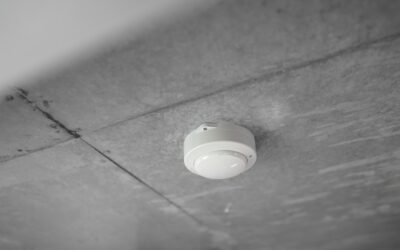
Combination alarms look like the perfect shortcut: one device, one ceiling hole, two kinds of protection. For most bedrooms and hallways, that is exactly what they are. Good smoke and carbon monoxide detector installation, though, depends on knowing where a combo unit fits both sets of placement rules and where it does not, because smoke rises to the ceiling while carbon monoxide spreads through the air, and certain rooms trigger false alarms for one sensor but not the other.
The short answer: install combo alarms in sleeping areas, hallways outside bedrooms and on each level of the home. In kitchens, garages and furnace rooms, you usually need separate, purpose-matched devices placed at specific distances from the appliances. If your home already has hardwired, interconnected smoke alarms, you can often swap them for hardwired combo units that plug into the same wiring harness, with the power shut off at the breaker first.
- Smoke and Carbon Monoxide Detector Installation Basics
- Where One Combo Unit Covers Both Rules
- Where You Still Need Separate Units
- Step-by-Step: Installing a Battery or Plug-In Combo Alarm
- Swapping Hardwired Smoke-Only Units to Combos
- Safety Notes for This Project
- When to Call a Licensed Professional
- Troubleshooting After Installation
- Frequently Asked Questions
Smoke and Carbon Monoxide Detector Installation Basics
Before you drill anything, map the house. Walk each floor and mark every bedroom, the hallway or common area outside each sleeping zone, the main living level, the basement, and any room with a fuel-burning appliance. Note whether the existing alarms are battery-only, plug-in or hardwired, and whether they are interconnected so one alarm triggers all of them.
Most US jurisdictions follow model codes that require smoke alarms inside every bedroom, outside each sleeping area and on every level, and carbon monoxide alarms outside sleeping areas in any home with fuel-burning appliances or an attached garage. Local rules vary, and many states also require CO alarms on every level. Check with your local building department, especially if you are selling the house or pulling a permit for a remodel, because inspectors often require hardwired, interconnected alarms with battery backup in those situations.
Tools and materials you will typically need:
- Combination smoke and carbon monoxide alarms with a recent manufacture date
- Stepladder rated for your weight, and a helper to steady it
- Drill, screwdriver and the mounting screws and anchors supplied with the alarm
- Non-contact voltage tester for any hardwired work
- Pencil, tape measure and safety glasses to keep ceiling dust out of your eyes
Where One Combo Unit Covers Both Rules
A combination smoke and carbon monoxide alarm works well anywhere the placement guidance for smoke and CO overlaps. That overlap is larger than many people expect, because CO mixes fairly evenly with room air and can be detected on a ceiling as readily as on a wall. Combo units belong in these spots:
- Hallways outside bedrooms: the single most important location for both hazards.
- Inside each bedroom: required for smoke; adding CO sensing here gives sleepers extra warning.
- Each level of the home, including a finished basement, typically at the base of the stairs or in the main common area.
- Living rooms and family rooms away from fireplaces and wood stoves by at least 10 feet.
On the ceiling, mount the alarm at least 4 inches from any wall. If you must mount on a wall, keep the top of the unit within 4 to 12 inches of the ceiling so it is out of the dead-air pocket in the corner. On sloped or vaulted ceilings, place it within about 3 feet of the peak, measured horizontally, but not in the very apex where air can stall. Always follow the placement diagram in the manufacturer’s manual, since it reflects how that specific sensor was tested.
Where You Still Need Separate Units
Some rooms are poor candidates for combination alarms because one sensor would be exposed to constant nuisance triggers, or because the ideal location for one hazard is wrong for the other.
Kitchens
Cooking smoke and steam set off smoke sensors near the range. Keep any smoke alarm at least 10 feet from cooking appliances, and use a photoelectric type or one with a hush button in or near the kitchen. A separate CO alarm can sit in an adjoining hallway or dining area at least 15 feet from a gas range, which avoids brief CO spikes during burner ignition.
Attached Garages
Standard smoke alarms are not designed for the temperature swings, exhaust and dust in a garage, and many manuals say not to install them there. Instead, place a CO alarm inside the house on the wall shared with the garage or near the door into the house. A heat alarm is the common choice for fire detection inside the garage itself.
Furnace, Water Heater and Laundry Rooms
Mount CO alarms 10 to 20 feet from fuel-burning appliances rather than right beside them, since small start-up emissions can cause false alerts. Humidity from a laundry room or bathroom also confuses smoke sensors, so keep smoke alarms at least 3 feet from bathroom doors and away from dryer vents.
Step-by-Step: Installing a Battery or Plug-In Combo Alarm
- Check the date and the manual. Most alarms last about 10 years; CO sensors in some models expire sooner. Write the install date on the back of the unit.
- Mark the location. Hold the mounting plate on the ceiling at least 4 inches from walls and away from ceiling fans, supply registers and windows where drafts can divert smoke.
- Drill and anchor. Drill pilot holes, tap in the supplied anchors if you miss a joist, and screw the plate firmly in place.
- Activate the battery. Pull the battery tab or insert fresh batteries as directed, then twist the alarm onto the plate until it locks.
- Test it. Press and hold the test button until both the smoke and CO signals sound. Many combo units announce which hazard they detect by voice or distinct tone patterns.
For plug-in CO alarms, choose an outlet that is not controlled by a wall switch and not blocked by furniture or curtains, and pick a model with battery backup so it keeps working during a power outage.
Swapping Hardwired Smoke-Only Units to Combos
Upgrading hardwired smoke alarms to hardwired combination units is one of the most useful safety improvements you can make, and it is often a straightforward replacement when the new alarm uses a compatible wiring harness. If the brand or harness type differs, you may need to swap the connector pigtail as well, and every alarm on an interconnected circuit should be compatible so they all sound together.
- Turn off the breaker that feeds the alarm circuit. Then confirm the power is off at the alarm with a non-contact voltage tester before touching any wire. Never work on the harness with the circuit energized.
- Remove the old alarm by twisting it off the base and unplugging the harness connector.
- Remove the old mounting plate and inspect the electrical box. Look for loose connections, scorched insulation or a box that is not secured.
- Connect the new harness if required: typically black to hot, white to neutral and the red or orange interconnect wire to the interconnect conductor, with approved wire connectors twisted tight and no bare copper exposed.
- Mount the new plate, plug the harness into the combo alarm, install the backup battery and twist the unit onto the plate.
- Restore power at the breaker, confirm the green power light, and press the test button on one unit to make sure every interconnected alarm sounds.
Most hardwired alarm circuits run at line voltage (120 volts), which is very different from the low-voltage wiring used by doorbells and some security systems. Treat line-voltage wiring with care. If there is no existing box or wiring where you need an alarm, adding a new circuit or extending one is work for a licensed electrician.
Safety Notes for This Project
Use a stepladder that lets you reach the ceiling without standing on the top step or top cap, keep three points of contact, and have a helper steady the base. For stairwell ceilings or two-story foyers, a scaffold plank setup or a professional is safer than an extension ladder on stairs.
Combination alarms are only part of fire and CO protection. Any fuel-burning appliance, including furnaces, water heaters, gas ranges, fireplaces and wood or pellet stoves, needs proper venting and clearances per the maker’s manual and local code, plus an annual inspection of the chimney or vent. Use unvented fuel-burning heaters indoors only if the label allows it. Plug-in alarms should use a listed power supply, and cords should never be pinched under furniture or coiled near heat.
When to Call a Licensed Professional
Hire a licensed electrician when you need new hardwired locations, when the existing wiring shows scorching or aluminum conductors, when the interconnect does not work after replacement, or when your jurisdiction requires a permit for alarm upgrades during a remodel. Have a licensed HVAC technician or plumber inspect fuel-burning appliances if a CO alarm ever sounds; get everyone outside, call 911 or the fire department, and do not go back in until responders say it is safe.
Costs are modest compared with the protection. Battery combo units usually run $30 to $60 each, and hardwired combos $40 to $80. An electrician typically charges $100 to $250 per new hardwired location, depending on attic access and wire runs.
Troubleshooting After Installation
Chirping every minute: usually a low battery or an end-of-life signal. Replace the battery; if the chirp continues, check the manufacture date and replace the unit.
Only one alarm sounds during testing: the interconnect wire may be loose or the units may not be compatible. Shut off the breaker, verify with the tester, and recheck connections.
Frequent false smoke alarms: move the unit farther from the kitchen or bathroom, or clean dust from the sensing chamber with a vacuum brush.
Frequently Asked Questions
Can one combination alarm replace separate smoke and CO alarms?
In bedrooms, hallways and common areas, yes. Kitchens, garages and furnace rooms usually call for separate, purpose-placed devices.
Do combo alarms go on the ceiling or the wall?
Ceiling mounting is preferred for smoke detection. Because carbon monoxide mixes with room air, the CO sensor works on the ceiling too.
Can I replace a hardwired smoke alarm with a combo unit myself?
Many homeowners can if the harness is compatible, the breaker is off and power is confirmed off with a non-contact voltage tester. New wiring should be handled by a licensed electrician.
How often should combination alarms be replaced?
Most units should be replaced about every 10 years or when the end-of-life signal sounds. Test monthly and replace batteries as directed.