
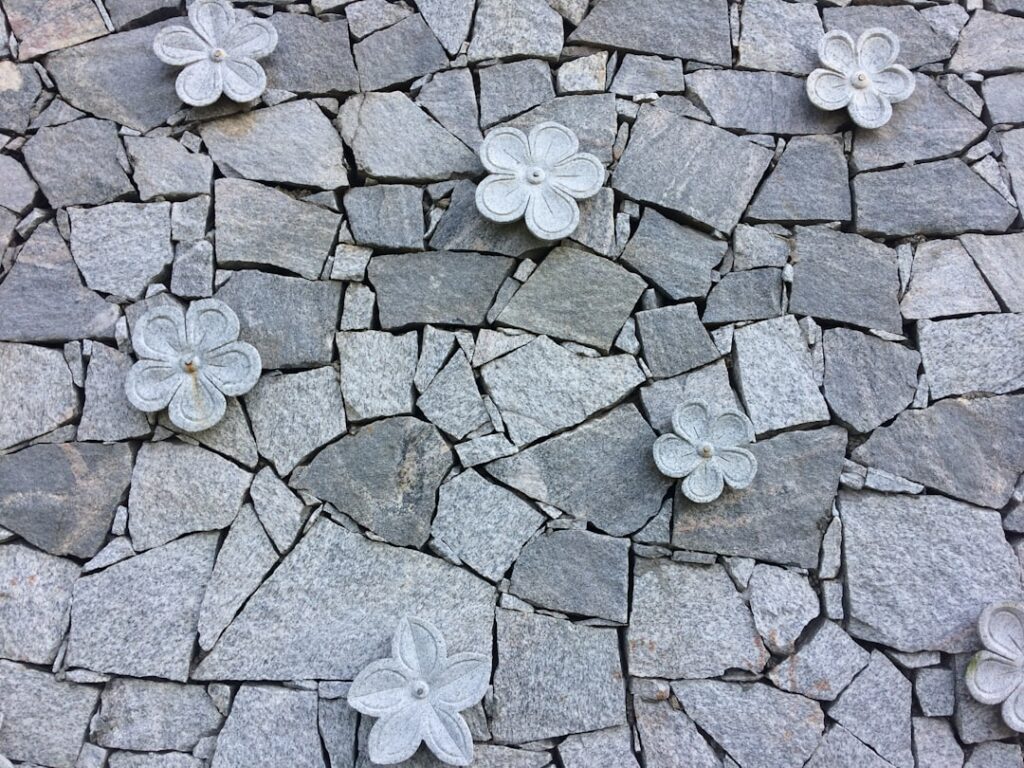
Most homeowners assume soapstone only comes in one shade of slate gray, then they walk into a slab yard and discover the truth. A real soapstone color chart spans nearly a dozen distinct tones, from pale dove gray to deep charcoal with emerald veining. The catch is that those colors shift dramatically once you apply mineral oil, so the slab in your driveway will not look like the slab on your counter six months later.
Part of our Countertops guide — explore the full guide →
- Why Soapstone Color Changes Over Time
- The Six Most Common Soapstone Colors
- Light, Medium, and Dark Categories
- How Veining Affects the Look
- How to Read a Soapstone Color Chart at the Slab Yard
- Matching Soapstone to Cabinet and Floor Colors
- Maintenance Realities for Each Color
- Budgeting and Buying Tips
Why Soapstone Color Changes Over Time
Soapstone is high in talc and magnesium silicate, which makes it nonporous but reactive to oil and air. Untreated, a fresh slab looks chalky and light. Apply mineral oil or wax and it darkens by two to three shades within minutes. Over five to ten years, oxidation deepens the patina even without oil, eventually settling into a soft black with subtle veining.
This natural darkening is why slab yards keep both dry and oiled samples on display. Always ask to see both finishes before you sign. If you skip that step, you may pick what looks like a medium gray slab in the warehouse and end up with near-black counters in your kitchen.
The Six Most Common Soapstone Colors
Quarry sources determine the palette. Brazilian quarries dominate the US market, but Vermont, Virginia, and Finnish stone show up regularly in higher-end showrooms. Pricing typically runs $70 to $120 per square foot installed, with rarer veined slabs touching $150.
- Belvedere — Medium charcoal with bold white veining. Oils up to near black with bright white lines. Quarried in Brazil.
- Barroca — Soft mid-gray with green undertones and gentle feathering. Popular for traditional kitchens.
- Black Venata — Dark base with dramatic horizontal veins. Reads almost like a marble alternative.
- Santa Rita — Warm gray with subtle pale veining. One of the lighter options before oiling.
- Julia — Dense charcoal with very tight veining. Goes nearly solid black once oiled.
- Pietra Cardosa — Italian stone with a blue-gray cast and pinstripe veining. Technically a schist rather than pure soapstone, but sold in the same category.
Light, Medium, and Dark Categories
Light Soapstones
Pale soapstones like Santa Rita or Mariana Light start out closer to a warm pewter. They suit white shaker cabinets, brass hardware, and farmhouse sinks. Expect a noticeable shift once oiled, but they stay on the lighter end of the spectrum compared to Brazilian darks.
Medium Soapstones
Barroca, Belvedere, and Minas Soapstone fall in this band. They photograph beautifully and pair well with both warm and cool cabinet finishes. If you want the classic look of an old apothecary counter, this is the range to shop.
Dark Soapstones
Julia, Black Venata, and Nero Mato lean deep from day one. They show finger smudges less than lighter shades and read as moody and modern. Pair them with light cabinetry and warm wood floors to keep the kitchen from feeling cave-like.
How Veining Affects the Look
Veining ranges from nearly absent to dramatic. Tight, hairline veins read as quiet texture from across the room. Bold, river-like veins behave more like marble and demand careful slab layout. If you have a long island, ask the fabricator to dry-lay the slabs so seams fall in low-traffic spots and vein flow continues across joints.
Book-matching is possible with soapstone, though less common than with marble. A skilled fabricator can mirror two slabs along a center seam for a butterfly effect on a large island. Expect to pay roughly 15 to 25 percent extra for that level of layout work.
How to Read a Soapstone Color Chart at the Slab Yard
Printed charts and online swatches are a starting point, never the final answer. Soapstone varies block to block within the same quarry. Two slabs labeled Barroca can look noticeably different in tone or vein density. Always select your actual slabs in person.
Bring a sample of your cabinet door, a flooring chip, and a swatch of any backsplash tile you are considering. Lay them on the slab in daylight if possible. Slab yard lighting tends to be flat fluorescent, which mutes warm undertones. Step outside near a loading bay door for a true reading.
Matching Soapstone to Cabinet and Floor Colors
Soapstone gets along with almost any cabinet color, but a few combinations sing. White cabinets with medium soapstone is the timeless pairing. Deep navy or forest green cabinets with dark soapstone reads dramatic and contemporary. Natural white oak floors warm up the cool gray cast and prevent the room from feeling sterile.
Avoid pairing soapstone with cool-toned LVP that has gray undertones. The match will fight rather than harmonize. Warm wood or terra cotta tile flooring almost always wins.
Maintenance Realities for Each Color
Lighter soapstones show oil drips and water rings more obviously, especially before the patina sets. Darker varieties hide marks well from day one. Both types accept mineral oil treatment monthly for the first six months, then every two to three months once the patina matures.
Scratches show up white on every color and buff out with 220-grit sandpaper followed by oil. Nicks on edges can be softened the same way. Hot pots will not damage soapstone. The stone is dimensionally stable up to about 1,200 degrees F, so a 400-degree skillet straight from the burner is a non-issue.
Budgeting and Buying Tips
A typical 30-square-foot kitchen runs $2,500 to $4,500 installed for common Brazilian colors. Rarer veined slabs or imported Italian stone push that to $5,000 or more. Add $200 to $400 for an integrated drainboard or apron edge.
Order 10 percent more square footage than you measure to allow for cuts and matching. Save remnants from your slab in a dry corner of the garage. They make perfect bookmatched cutting boards or coaster blanks down the road.


