Walk into any hardware store lighting aisle and you will see dozens of packages labeled “soft white,” “warm white,” and “daylight,” often at the same price. Picking the right soft light bulbs for your living room versus your kitchen is one of the fastest ways to change how a room feels, and the difference comes down to a single number most shoppers ignore: the Kelvin rating.
- What Soft Light Actually Means
- When to Choose 2700K vs 3000K
- LED vs Incandescent vs Halogen
- Wattage Equivalents
- Best Bulb Shapes for Each Fixture
- Top Soft Light Bulb Brands
- Dimming Considerations
- Color Temperature Through the Day
- Outdoor Soft White Considerations
- Common Mistakes to Avoid
- Energy Savings Over Time
What Soft Light Actually Means
Soft light refers to bulbs with a color temperature around 2700 to 3000 Kelvin, producing a warm, slightly yellow glow that mimics traditional incandescent lighting. Below 2700K you get ultra-warm amber light more suited to restaurants and candlelight effects. Above 3500K the light shifts cooler into bright white, and by 5000K you are firmly in daylight territory that looks sterile in most residential spaces.
The Kelvin number is printed on every bulb package, usually in small type on the side or bottom. Ignore marketing names like “cozy white” or “relax” that vary by brand.
When to Choose 2700K vs 3000K
2700K is the sweet spot for bedrooms, living rooms, dining rooms, and any space where people relax. It is warm enough to flatter skin tones and wood finishes without looking dim or orange. 3000K pushes slightly cooler and works well in bathrooms, hallways, and closets where you still want warmth but need better task visibility.
Kitchens are a judgment call. Traditional and transitional kitchens look best at 3000K. Modern kitchens with white cabinets and stainless appliances can tolerate 3500K or even 4000K without feeling clinical.
LED vs Incandescent vs Halogen
LED has effectively won the soft light category. A 60-watt-equivalent LED draws 8 to 10 watts, lasts 15,000 to 25,000 hours, and can be found for under $2 per bulb in multi-packs. Incandescent bulbs are phased out under federal efficiency rules, and halogens are fading fast.
Not all LEDs render color equally. Look for a Color Rendering Index (CRI) of 90 or higher if you care about how food, artwork, or skin looks under the light. Budget LEDs often sit at CRI 80, which leaves reds and warm tones looking slightly dull.
Wattage Equivalents
- 40W incandescent = 450 lumens = 5 to 6 watt LED
- 60W incandescent = 800 lumens = 8 to 10 watt LED
- 75W incandescent = 1100 lumens = 11 to 14 watt LED
- 100W incandescent = 1600 lumens = 15 to 19 watt LED
- 150W incandescent = 2600 lumens = 22 to 30 watt LED
Shop by lumens, not watts. A 60W-equivalent label means nothing if the actual lumen output has been value-engineered down to 700 lumens.
Best Bulb Shapes for Each Fixture
A19 is the standard pear shape that fits most table lamps and general-purpose fixtures. BR30 and BR40 are reflector bulbs for recessed ceiling cans. Candelabra bulbs (B10, C7) fit chandeliers and sconces. PAR bulbs focus light for spotlighting art or accent walls. Globe bulbs (G25, G40) suit bathroom vanity bars and pendant fixtures where the bulb is visible.
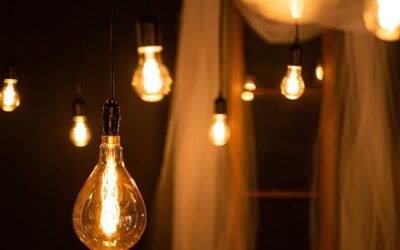
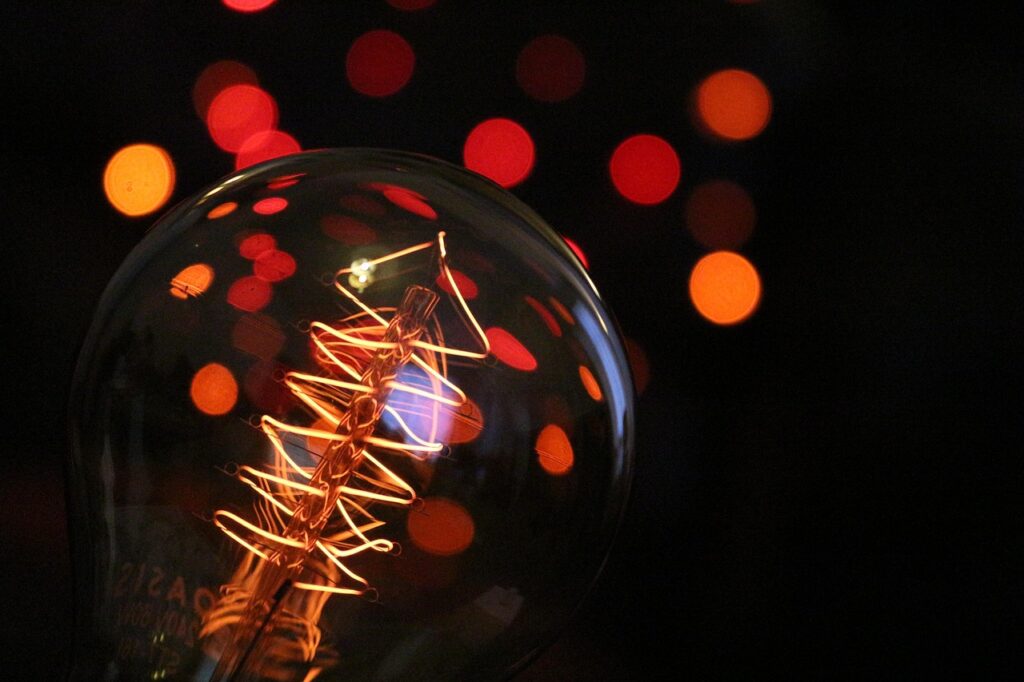
For vintage-look exposed filaments in a soft white tone, look at Edison-style ST19 LED bulbs from Philips Hue, Feit, or Satco. They run $6 to $12 each and deliver the decorative glow without the 40-watt electric bill.
Top Soft Light Bulb Brands
- Philips Ultra Definition: CRI 97, 2700K, about $5 per bulb for genuine incandescent-quality color
- GE Reveal: Filtered light that makes reds and blues pop, 2850K, around $4 per bulb
- Cree Pro Series: Professional-grade dimming performance, 2700K, 25,000 hour life
- Feit Enhance: Affordable CRI 90+ option, often on sale at Costco and Home Depot
- Satco S11411: Commercial-grade A19 with 5-year warranty, ideal for high-use fixtures
Dimming Considerations
Not every LED dims well. Older triac dimmers designed for incandescent loads often cause flicker, hum, or a limited dim range with LEDs. If you want smooth dimming down to 10 percent or below, pair your bulbs with a modern LED-compatible dimmer like the Lutron Caseta or Leviton Decora Smart. Expect to pay $25 to $60 per dimmer.
Check the bulb package for “fully dimmable” and a compatible dimmer list. Some bargain bulbs claim dimmability but drop to 30 percent minimum, which looks jarring compared to a true incandescent fade.
Color Temperature Through the Day
Smart bulbs from Philips Hue, LIFX, and Sengled let you shift color temperature throughout the day, starting at 4000K for morning alertness and fading to 2200K before bed. This circadian lighting approach has been linked to better sleep quality in multiple studies. Starter kits with a hub and four bulbs run $150 to $250, and you can expand one room at a time.
For most people, though, simply installing quality 2700K soft light bulbs throughout the main living spaces delivers 80 percent of the benefit for a fraction of the price, and the whole house takes on a more welcoming, residential character.
Outdoor Soft White Considerations
Outdoor lighting follows different rules. Front porches and post lanterns look most welcoming at 2700K, while pathway and security lights work better at 3000K to 4000K for visibility. Look for bulbs rated for damp or wet locations depending on whether they will be exposed directly to weather. Most enclosed coach lights are damp-rated, while open soffit fixtures need wet-rated bulbs.
Common Mistakes to Avoid
Mixing color temperatures within a single room creates a jarring effect that nobody can quite name but everyone notices. Replace every bulb in a room at once when you switch temperatures, and label spare bulbs with the Kelvin rating before storing. Buying the cheapest bulb at the hardware store often delivers a CRI of 80, harsh light, and a 2-year lifespan despite the 25,000-hour claim. Pay $1 to $2 more per bulb for a known brand and you will replace bulbs less than half as often.
Energy Savings Over Time
Replacing 30 incandescent bulbs throughout an average home with quality LED soft white bulbs cuts roughly 1,200 kWh per year off the electric bill. At the national average of 16 cents per kWh, that is around $190 per year in savings, and the bulbs themselves last 15 to 20 times longer than incandescents.