Anyone who has walked barefoot across a traditional outdoor rug knows the disappointment: durable, sure, but stiff and scratchy, more like walking on a doormat than relaxing on a patio. The good news is that outdoor rug technology has come a long way. A soft outdoor rug now delivers the plush, comfortable feel of an indoor rug while standing up to sun, rain, and heavy use on a patio or deck. If you want an outdoor space that feels as inviting as your living room, understanding these newer materials is the key.
Part of our Windows & Doors guide — explore the full guide →
How Outdoor Rugs Got Soft
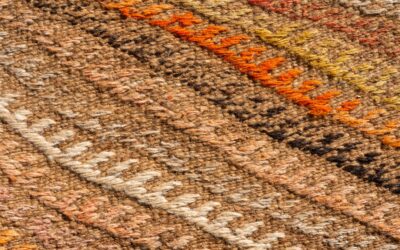
Older outdoor rugs were typically woven from stiff polypropylene or natural fibers that prioritized weather resistance over comfort. Newer soft outdoor rugs use finer, higher-denier synthetic yarns and plusher weaves that feel closer to an indoor area rug. The result is a rug you can sit on, let kids play on, and walk across barefoot, without giving up the weatherproofing that outdoor use demands.
The trade-off used to be simple: soft rugs stayed indoors and tough rugs went outside. Today you no longer have to choose. The best soft outdoor rugs combine a comfortable hand-feel with fade resistance, water resistance, and mildew resistance.
Best Materials for a Soft Outdoor Rug
The fiber is what makes an outdoor rug both soft and durable, so it pays to know your options:
- Polypropylene (olefin): The most common outdoor fiber. Newer finely spun versions are noticeably softer while staying fade- and water-resistant.
- Polyester: Offers a plush, luxurious feel and rich colors, with good fade resistance. Often the softest outdoor option.
- Recycled PET: Made from recycled plastic bottles, surprisingly soft, eco-friendly, and fully weatherproof.
- Chenille-textured synthetics: Woven for extra plushness underfoot while remaining suitable for covered outdoor use.
For the softest feel, look at polyester and premium recycled PET rugs. For the best balance of softness and rugged durability in full weather exposure, a high-quality polypropylene is hard to beat.
Where to Use a Soft Outdoor Rug
These rugs bridge indoor comfort and outdoor durability, so they work in a range of spaces:
- Covered patios and porches: The ideal spot, protected from the worst weather while adding living-room comfort.
- Decks: Softens hard wood or composite boards and defines a seating or dining zone.
- Sunrooms and three-season rooms: Handles humidity and sun without the worry of an indoor rug.
- Balconies: Adds a cozy underfoot layer to a small outdoor retreat.
- Playrooms and basements: Their moisture resistance makes them great for damp-prone indoor spaces too.
A soft outdoor rug will last longest in a covered or partially covered area. In full, unprotected sun and rain, even fade-resistant fibers hold up better with occasional shade and drying.
What Makes a Good Outdoor Rug Durable
Softness means little if the rug falls apart after one season. Look for these durability features when you shop. UV and fade resistance keeps colors from washing out under intense sun. A quick-drying, mildew-resistant construction lets the rug shed water and dry after rain without growing mold. And a flatweave or low-to-medium pile sheds debris and dries faster than a deep shag, which can trap moisture outdoors.
Many quality outdoor rugs are reversible, effectively doubling their lifespan and letting you flip to a fresh side. Check that the edges are tightly bound or serged so they resist fraying in wind and weather.
Sizing and Placement
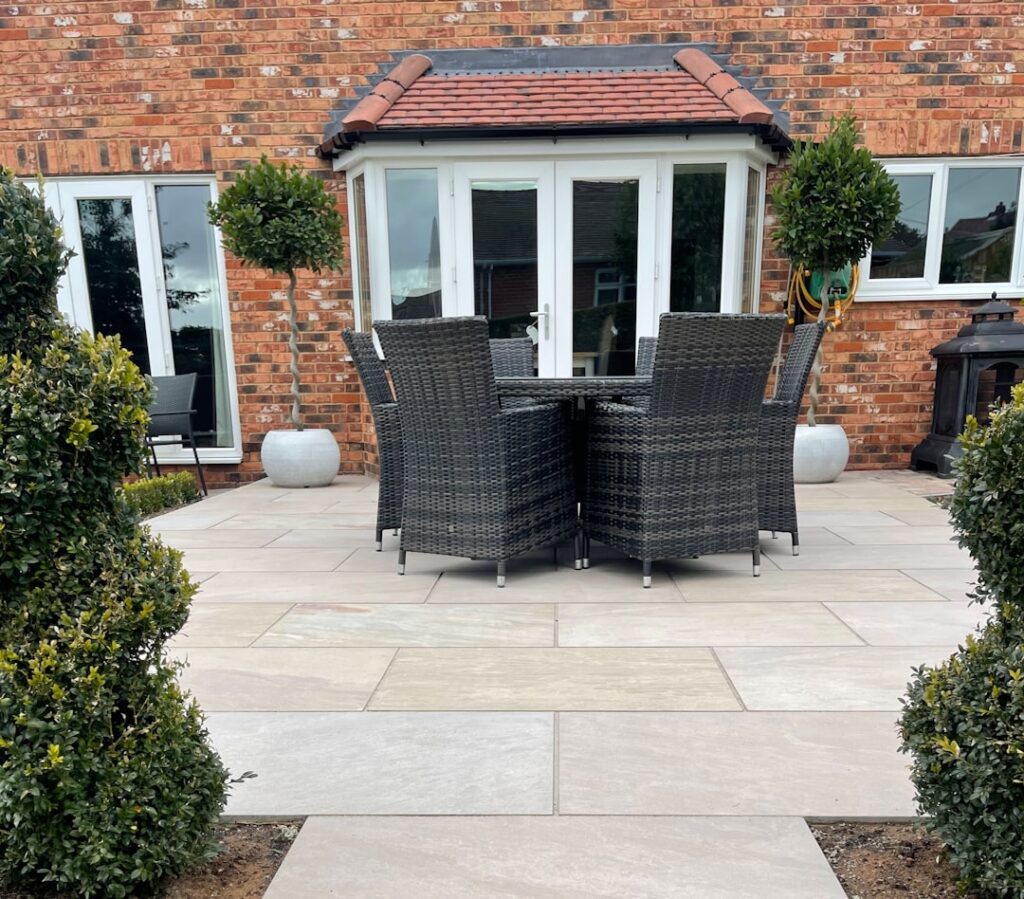
Size an outdoor rug to your furniture arrangement just as you would indoors. Under a patio seating group, choose a rug large enough that at least the front legs of the chairs and sofa rest on it, which visually pulls the conversation area together. Under an outdoor dining set, allow enough rug that chairs stay on it when pulled out, roughly 24 inches beyond the table on each side.
Leave a margin of decking or stone showing around the rug so it looks intentional. On a windy balcony or exposed deck, a rug pad or a few outdoor rug anchors keeps the rug from lifting and shifting in gusts.
Cleaning and Care
One of the biggest advantages of a soft outdoor rug is how easy it is to clean, since these fibers are made to get wet. Where an indoor rug would be ruined by a garden hose, an outdoor rug welcomes it, which makes cleaning up after a barbecue, a muddy pet, or a pollen-heavy spring almost effortless. That wash-and-go quality is a big part of why homeowners choose these rugs for family patios. For routine care, shake off debris and hose the rug down. For dirtier jobs, use mild soap and water with a soft brush, rinse thoroughly, and hang or lay the rug flat to dry completely before returning it to use.
Let the rug dry fully after heavy rain to prevent mildew, and lift it occasionally to let the surface underneath dry out. Store it rolled and dry over winter in harsh climates to extend its life. Avoid harsh solvents that can break down synthetic fibers, and blot spills promptly so they do not set.
Do You Need a Rug Pad Outdoors?
An outdoor rug pad is not just about comfort; it solves real problems on a patio or deck. A breathable, weatherproof outdoor rug pad adds cushioning underfoot, keeps the rug from sliding on smooth stone or composite decking, and, importantly, allows air and water to flow underneath so moisture does not get trapped against the surface below.
That airflow matters most on wood and composite decks, where a rug sitting flat can hold dampness and lead to discoloration or trapped mildew. Choose a pad specifically rated for outdoor use, since indoor pads can break down in sun and rain or trap water. On a windy balcony or exposed deck, a pad plus a few rug weights or anchors keeps the whole setup from lifting and shifting in gusts, which is both a nuisance and a tripping hazard.
Matching a Soft Outdoor Rug to Your Space
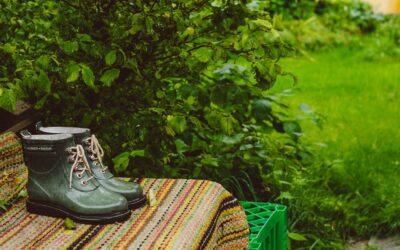
Style your outdoor rug the way you would an indoor one, since these spaces have become true extensions of the home. A neutral rug in tan, gray, or ivory reads as calm and lets colorful outdoor furniture and cushions stand out. A bold striped or patterned rug injects personality and defines a seating zone within a larger yard or deck.
Consider the surroundings too. A soft outdoor rug in warm, earthy tones complements natural stone and wood, while cool blues and greens play into a garden or poolside setting. Because these rugs are fade-resistant, you can commit to color without worrying that a season of sun will wash it out. Coordinate the rug with your cushions and throw pillows for a pulled-together outdoor room that feels as designed as anything inside.
The Bottom Line
A soft outdoor rug finally lets you have both comfort and durability in one piece, turning a hard patio or deck into a genuinely inviting extension of your home. Choose a plush polyester or premium recycled PET for maximum softness, or a finely spun polypropylene for the best all-weather toughness, and prioritize UV resistance and quick-drying construction. Size it to your furniture, keep it in a covered spot when possible, and hose it clean as needed. The result is an outdoor living space that feels every bit as comfortable as it looks.