A patio without a rug is just furniture on concrete; the right rug turns it into an outdoor room. A 10 x 12 outdoor rug is one of the most useful large sizes because it comfortably anchors a full seating group or a dining set on a deck or patio, defining the space the way a rug does indoors. But outdoor rugs face sun, rain, and traffic that indoor rugs never see, so material and construction matter. This guide covers sizing, materials, costs, and care.
Part of our Windows & Doors guide — explore the full guide →
Why a 10×12 Is Such a Useful Size
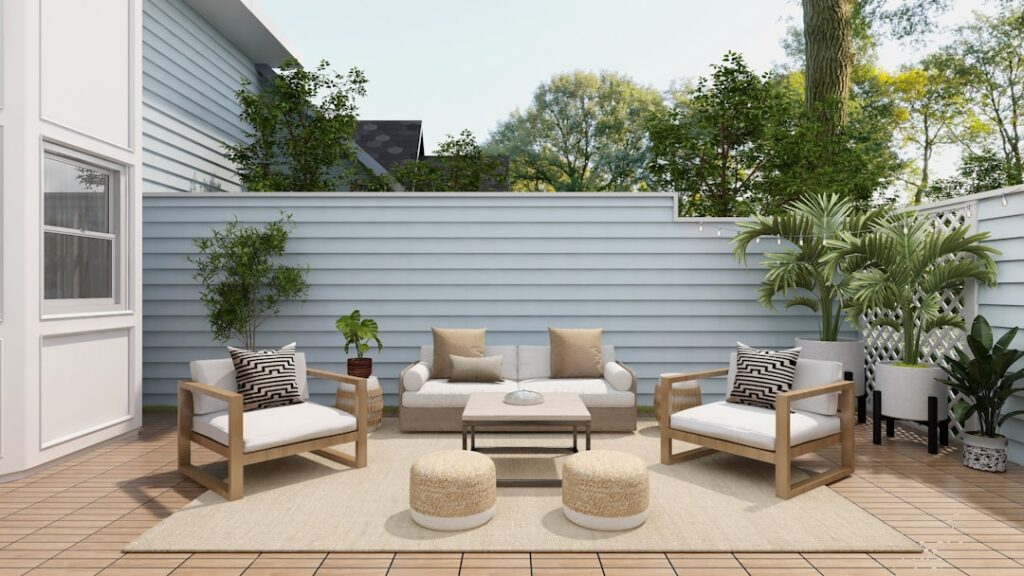
At 120 square feet, a 10-by-12 rug is big enough to sit under an entire outdoor sofa-and-chairs conversation set or a six-seat dining table with room for the chairs. It defines a generous zone on a large deck or patio without running wall to wall, giving you that framed, intentional look. Smaller 5-by-7 or 8-by-10 rugs can feel undersized once real patio furniture is arranged on top.
The goal outdoors is the same as indoors: keep the furniture legs on the rug, or at least the front legs, so the grouping reads as one composed space. A 10-by-12 hits that mark for most full-size patio sets.
Sizing It to Your Space
Before buying, measure and tape out the area. A few rules keep the proportions right:
- Leave 18 to 24 inches of bare surface between the rug edge and the patio’s edge or railing
- Keep furniture legs on the rug, either all legs or at minimum the front legs of each piece
- Center it under the main furniture grouping, not necessarily the whole patio
- Account for traffic paths so the rug does not create a trip lip across a walkway
For a dining set, remember chairs slide back when people sit, so make sure the rug extends far enough that chair legs stay on it. A 10-by-12 usually handles a six-seat outdoor table with that clearance.
Best Materials for Outdoor Rugs
Outdoor rugs must shrug off UV, moisture, and mildew. The material is the single most important decision.
Polypropylene (Olefin)
The most common and practical choice. Polypropylene is water-resistant, mildew-resistant, fade-resistant, and cheap, and it often cleans with a simple hose-down. Most flat-woven outdoor rugs are polypropylene, and they handle sun and rain well for the money.
Polyester and PET
Recycled-plastic (PET) rugs are soft underfoot and stain-resistant, a nice step up in comfort while staying weatherproof. They resist fading and are a good pick where people go barefoot.
Natural Fibers to Avoid Outdoors
Jute, sisal, and other natural fibers look great but absorb water, grow mildew, and break down fast in the weather. Save those for covered porches at most. For an exposed 10-by-12 patio rug, stick with synthetics rated for outdoor use.
What a 10×12 Outdoor Rug Costs
Large outdoor rugs span a wide price range based on material and construction:
- Basic polypropylene flat-weave: $60 to $150 for a 10-by-12
- Mid-range PET and textured synthetics: $150 to $300
- Premium and designer outdoor rugs: $300 to $600+
A durable polypropylene rug in the $100 to $200 range is the value sweet spot for most homeowners, offering good weather resistance and a look that lasts several seasons. Reversible flat-weaves are a bonus since you can flip them to even out wear and sun fading.
Weather Resistance and Placement Tips
Even a weatherproof rug lasts longer with a little care in placement. Full, constant sun fades any rug over time, so a spot with some afternoon shade prolongs the color. Good airflow underneath prevents moisture from being trapped between the rug and the deck, which is where mildew starts and where deck boards can stain.
Use an outdoor-rated rug pad designed to allow drainage and airflow, not a solid indoor pad. In windy areas, secure the corners; a big 10-by-12 rug catches wind, and outdoor rug tape, weights, or furniture legs on top keep it from lifting. Lift the rug periodically after heavy rain so both the rug and the surface beneath can dry fully.
Cleaning and Care
The best thing about synthetic outdoor rugs is how easy they are to clean. For routine care, shake off debris and hose the rug down, using a mild soap and a soft brush for stubborn spots, then let it dry completely in the sun before laying it back flat. Because polypropylene does not absorb water, it dries quickly.
Treat spills promptly so they do not set, and rinse off pollen, dirt, and bird droppings regularly. For mildew spots, a mix of water and a little white vinegar or an oxygen-based cleaner usually lifts them; avoid bleach on colored rugs. At the end of the season, clean and dry the rug thoroughly, then store it rolled in a dry place to extend its life for years.
Choosing a Style and Color
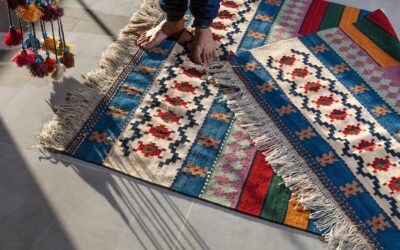
A large 10-by-12 rug is a dominant visual element, so its pattern and color set the mood of the whole patio. Light, neutral rugs make a small or shaded space feel bigger and brighter, while bold patterns and saturated colors turn a plain deck into a lively outdoor room. Blues, greens, and warm terracotta tones read naturally outdoors, and geometric or medallion patterns hide dirt and the occasional stain better than a pale solid, which shows every leaf and drop of spilled drink.
Coordinate the rug with your cushions, umbrella, and planters the way you would coordinate an indoor rug with the room. Because outdoor rugs are relatively inexpensive, many homeowners swap them seasonally, a brighter pattern for summer entertaining and a calmer tone for the shoulder seasons, refreshing the space for the cost of a single rug.
Layout Ideas for a Large Patio
With 120 square feet to work with, you have room to define a real outdoor living zone. Under a dining set, center the rug so the table sits in the middle and chairs stay on it when pulled out, just as you would indoors. Under a conversation grouping, place the sofa and chairs with at least their front legs on the rug, pulling the seating into a cohesive island rather than pieces scattered across the deck. On a very large patio, a 10-by-12 can define one of two zones, pairing with a second rug elsewhere to separate dining from lounging. Keep the rug squared to the house or the deck boards so the whole arrangement looks deliberate.
Frequently Asked Questions
What furniture fits on a 10×12 outdoor rug?
A full outdoor sofa-and-chairs conversation set or a six-seat dining table with chairs both fit comfortably. The 120-square-foot size anchors most large patio and deck groupings.
What is the best material for an outdoor rug?
Polypropylene (olefin) is the most practical: water-, fade-, and mildew-resistant and easy to hose clean. Recycled PET is softer underfoot. Avoid natural fibers like jute and sisal outdoors.
How much does a 10×12 outdoor rug cost?
Basic polypropylene rugs run $60 to $150, mid-range PET and textured rugs $150 to $300, and premium designs $300 or more. A $100 to $200 polypropylene rug is the value sweet spot.
Do I need a rug pad under an outdoor rug?
Yes, use an outdoor-rated pad that allows drainage and airflow, not a solid indoor pad. It adds grip, prevents trapped moisture, and helps protect the deck or patio surface underneath.
How do I clean a large outdoor rug?
Shake off debris, hose it down, and scrub stubborn spots with mild soap and a soft brush, then dry it fully in the sun. Synthetic rugs dry quickly since they do not absorb water.