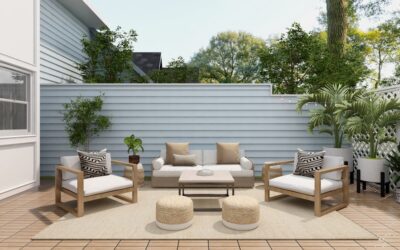
An outdoor rug defines your patio seating area, adds color to a plain concrete slab, and provides a barefoot-friendly surface on hot decking. But not every rug can handle rain, UV exposure, and muddy boots. The best outdoor rugs are built from synthetic fibers that resist fading, mold, and moisture while still looking and feeling good enough to rival their indoor counterparts.
Part of our Windows & Doors guide — explore the full guide →
Top Outdoor Rug Picks
- Safavieh Courtyard Collection: Polypropylene construction, excellent UV resistance, and hundreds of pattern options. Machine-made in Turkey with tight weave that resists fraying. Priced at $50 to $200 depending on size. Best overall pick for most patios.
- HEVO Reversible Outdoor Rug: Made from recycled plastic (polypropylene straw), lightweight, and fully reversible for double the life. Easy to hose clean. Budget-friendly at $30 to $80.
- nuLOOM Owens Indoor/Outdoor Rug: Flatweave polypropylene with a casual, textured look that mimics jute. Stain-resistant and easy to vacuum. Around $40 to $150.
- Dash & Albert Indoor/Outdoor Collection: Premium PET fiber (recycled plastic bottles) with soft hand feel and designer patterns. Priced at $100 to $400. Best for covered porches and screened-in areas.
- Gertmenian Tropical Collection: Bold botanical prints, UV-stabilized polypropylene, and mold-resistant backing. Around $40 to $120. Best for adding a pop of color.
Outdoor Rug Materials Explained
Material choice determines how well a rug holds up to the elements and how it feels underfoot.
Polypropylene (Olefin)
The most common outdoor rug fiber. Polypropylene resists moisture, mildew, stains, and UV fading. It is lightweight, easy to clean with a garden hose, and dries quickly. The texture ranges from soft flatweave to coarser woven styles. Most rugs under $150 use this material.
Recycled PET (Polyester)
Made from recycled plastic bottles, PET fiber is eco-friendly and surprisingly soft. It handles moisture well but is slightly less UV-resistant than polypropylene over multiple seasons. PET rugs from Dash & Albert and Fab Habitat offer a premium feel at a moderate price point.
Natural Fibers
Jute, sisal, and bamboo rugs look beautiful on covered porches but degrade rapidly when exposed to direct rain and moisture. Use natural fiber rugs only in fully covered, well-ventilated spaces. They are not recommended for open patios or poolside use.
Choosing the Right Size
The rug should extend at least 6 inches beyond the front legs of all seating furniture to anchor the space visually. For a standard 4-person dining set, a 5-by-8-foot or 6-by-9-foot rug works well. Larger seating arrangements with sofas and lounge chairs need an 8-by-10-foot or 9-by-12-foot rug. Measure your furniture arrangement before ordering, not just the patio dimensions.
Round rugs work well under circular dining tables and in curved seating areas. A 6-foot round rug provides adequate coverage for a 42-inch table with four chairs. Runner rugs (2.5 by 8 feet or 2.5 by 12 feet) are ideal for narrow spaces like covered walkways, galley porches, and alongside pools.
Weather Resistance and UV Protection
Even the best outdoor rugs fade over time in direct sunlight. Solution-dyed fibers, where color is added during the manufacturing process rather than applied afterward, offer the strongest fade resistance. Look for product descriptions that specifically mention solution-dyed or UV-stabilized construction.
Moisture management is the other critical factor. Rugs need to dry quickly after rain to prevent mold and mildew growth underneath. Flatweave constructions dry faster than thick pile rugs. Elevating the rug slightly using a rug pad designed for outdoor use ($20 to $50) promotes airflow beneath the rug and accelerates drying while also preventing the rug from trapping moisture against wood decking.
Cleaning and Maintenance
Shake or vacuum the rug weekly to remove dirt, pollen, and leaf debris. For deeper cleaning, lay the rug flat on a clean driveway or lawn, spray with a garden hose, scrub with mild dish soap and a soft brush, and rinse thoroughly. Let it dry completely in the sun before returning it to the patio. Most polypropylene rugs can also be pressure-washed on a low setting.
At the end of the outdoor season, roll the rug (do not fold, which creates permanent creases) and store it in a dry garage or shed. Storing a damp rug promotes mold growth that may be impossible to remove by spring. If year-round outdoor placement is necessary, flip the rug periodically to equalize wear and fading.
Preventing Deck and Patio Damage
Outdoor rugs can trap moisture against wood decking, leading to mold, mildew, and surface discoloration. Use a ventilated outdoor rug pad to create airspace between the rug and the deck surface. Remove the rug every few weeks during rainy seasons to let the deck dry completely. On composite decking, check the manufacturer’s guidelines, as some brands recommend against prolonged rug placement.
On concrete patios, moisture trapping is less of a concern, but color transfer can occur with cheap dyes. Place a new rug on a test area first and check for color bleeding after the first rainstorm. The best outdoor rugs use colorfast dyes that will not transfer to light-colored concrete or pavers.