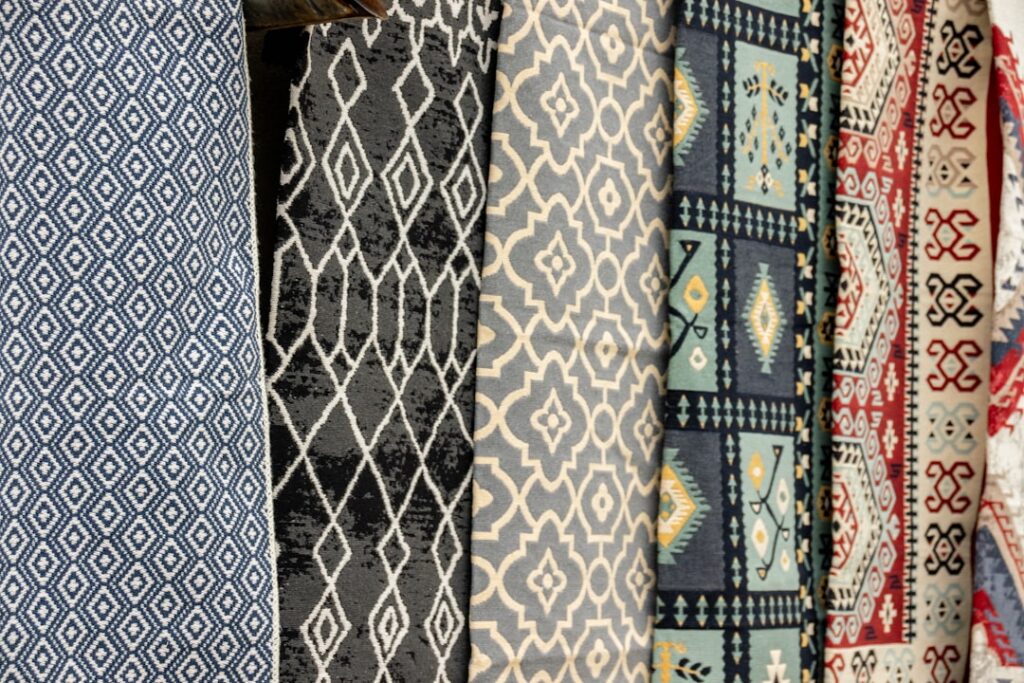
Patio carpet transforms a bare concrete slab, wood deck, or stone patio into a comfortable outdoor living space that feels like an extension of your home. Whether you want wall-to-wall outdoor carpet for a covered porch or a statement area rug for your open-air patio, today’s outdoor carpet options offer impressive durability, weather resistance, and style. Gone are the cheesy green astroturf days. Modern patio carpet comes in sophisticated patterns, rich textures, and colors that rival indoor options.
Part of our Decks & Outdoor guide — explore the full guide →
This guide covers everything you need to know about choosing patio carpet, from material comparisons and weather resistance to sizing, installation, top brands, and pricing.
- Patio Carpet vs. Indoor Carpet: Key Differences
- Best Materials for Patio Carpet
- Types of Patio Carpet
- Choosing the Right Size
- Weather Resistance and Climate Considerations
- Installation Options
- Top Brands for Patio Carpet
- Patio Carpet Pricing Guide
- Maintenance and Care
- Alternatives to Patio Carpet
- Final Thoughts
Patio Carpet vs. Indoor Carpet: Key Differences
Patio carpet is engineered specifically for outdoor conditions. Here is what sets it apart from standard indoor carpet flooring:
- UV resistance: Outdoor carpet fibers are solution-dyed (color runs through the entire fiber) or treated with UV stabilizers to resist fading from sun exposure.
- Moisture resistance: Patio carpet does not absorb water. It is made from synthetic fibers that dry quickly and resist mold and mildew growth.
- Drainage: Outdoor carpet allows water to pass through rather than pooling on the surface. The backing is perforated or made from open-weave materials.
- Mold and mildew resistance: Fibers, backing, and adhesives are all treated or inherently resistant to fungal growth.
- Durability: Outdoor carpet withstands foot traffic, furniture weight, weather cycles, and temperature extremes that would destroy indoor carpet.
Best Materials for Patio Carpet
Polypropylene (Olefin)
Polypropylene is the most popular material for patio carpet and outdoor rugs. It dominates the market for good reasons: it is inherently moisture-resistant (it actually repels water rather than absorbing it), resists mold and mildew, holds color well when solution-dyed, and is the most affordable outdoor carpet fiber. Polypropylene cleans easily with a garden hose and dries quickly.
The downsides are that polypropylene can feel slightly stiff compared to natural fibers, and it can become hot underfoot in direct sunlight on dark colors. It is also less crush-resistant than some alternatives, so heavy furniture may leave permanent marks.
Best for: Budget-friendly patio carpets, covered porches, screened-in patios, and any outdoor area where value matters most.
Solution-Dyed Acrylic
Solution-dyed acrylic is the premium choice for outdoor carpet. It has a softer, more wool-like feel than polypropylene while offering excellent UV resistance, colorfastness, and moisture resistance. Acrylic fibers dry quickly and resist staining from food and beverages. Sunbrella, one of the most recognized outdoor fabric brands, uses solution-dyed acrylic for many of its products.
The trade-off is price. Acrylic patio carpet and rugs cost significantly more than polypropylene options. However, the superior feel, appearance, and longevity often justify the investment for primary outdoor living spaces.
Best for: High-end outdoor living areas, entertaining spaces, and homeowners who want the closest thing to indoor carpet comfort outdoors.
Polyester (PET and Recycled PET)
Polyester outdoor carpet offers a middle ground between polypropylene and acrylic. It is softer than polypropylene, takes vibrant colors well, and many outdoor polyester rugs are made from recycled plastic bottles, making them an eco-friendly choice. Polyester resists moisture and stains reasonably well.
However, polyester is less UV-resistant than polypropylene or acrylic and can fade faster in intense sun. It is best suited for covered patios or areas with partial shade.
Best for: Covered patios, shaded outdoor areas, and eco-conscious buyers.
Nylon
Nylon is not as common in outdoor carpet as the other fibers, but some premium outdoor rugs use solution-dyed nylon for its exceptional durability and resilience. Nylon is the strongest synthetic carpet fiber and resists crushing, matting, and abrasion better than any alternative. The main drawback for outdoor use is that nylon absorbs more moisture than polypropylene, so it takes longer to dry.
Best for: High-traffic outdoor areas like commercial patios, restaurant decks, and covered entrances.
Natural Fibers (Jute, Sisal, Seagrass)
Some homeowners are drawn to natural fiber outdoor rugs for their organic look and texture. While jute, sisal, and seagrass rugs can work on covered patios that stay completely dry, they are generally poor choices for truly outdoor use. Natural fibers absorb water, rot when wet, support mold growth, and break down in UV exposure. If you love the natural look, choose a synthetic rug that mimics the appearance of natural fiber instead.
Types of Patio Carpet
Outdoor Area Rugs
The most popular option, outdoor area rugs come in standard sizes (5×7, 6×9, 8×10, 9×12) and define seating or dining areas on your patio. They are portable, easy to clean, and can be stored during winter months. Prices range from $50 for a basic 5×7 to $500+ for a premium 9×12.
Wall-to-Wall Outdoor Carpet
Installed like indoor carpet, wall-to-wall outdoor carpet covers an entire porch, sunroom, or patio. It creates a finished, unified look and is especially popular for screened-in porches and three-season rooms. It is typically glued down or installed with outdoor carpet tape. Roll goods come in 6-foot and 12-foot widths.
Carpet Tiles (Outdoor)
Outdoor carpet tiles (typically 12×12 or 18×18 inches) offer a modular approach. They are easy to install, can be replaced individually if damaged, and allow for creative patterns. Brands like FLOR offer attractive outdoor tile options.
Artificial Grass
While technically not traditional carpet, artificial turf is a form of outdoor carpet that has surged in popularity. Modern artificial grass looks remarkably realistic and is used on patios, rooftops, balconies, and around pools. It is a specialized category worth considering if you want a lawn-like feel on a hard surface.
Choosing the Right Size
Sizing your patio carpet correctly makes a significant visual difference:
- Under a dining set: Choose a rug at least 2 feet wider and longer than your table on all sides so chairs remain on the rug when pulled out. For a 4-person table, an 8×10 rug works. For 6-8 people, go 9×12 or larger.
- Under a seating area: The rug should be large enough for at least the front legs of all furniture to sit on it. For a standard patio sofa and chairs arrangement, 8×10 or 9×12 is typical.
- Narrow porch or balcony: Runner-style rugs (2.5×7 or 2.5×9) work well in long, narrow spaces.
- Small accent: A 3×5 or 4×6 rug works under a bistro set or as a doormat-style accent.
When in doubt, go larger. A too-small rug looks out of proportion and can create a tripping hazard at the edges.
Weather Resistance and Climate Considerations
Your climate affects which patio carpet works best and how long it lasts:
Hot, Sunny Climates
Prioritize UV resistance. Solution-dyed polypropylene and acrylic are your best bets. Choose lighter colors that stay cooler underfoot. Dark-colored outdoor carpet on a south-facing concrete patio in Arizona can become uncomfortably hot.
Rainy or Humid Climates
Drainage and quick drying are critical. Ensure the carpet backing allows water to pass through. Polypropylene is ideal because it does not absorb moisture. Always ensure the carpet does not trap water against the surface beneath it, as this can cause mold growth on the patio surface itself.
Cold Climates with Snow
Most homeowners in cold climates store outdoor rugs during winter. Wall-to-wall outdoor carpet on a covered porch can stay year-round if it stays dry. Freeze-thaw cycles can degrade carpet backing over time, so choose products rated for cold weather if they will stay outside.
Coastal Environments
Salt air and sand are tough on outdoor carpet. Polypropylene handles salt exposure well. Rinse coastal patio carpet regularly with fresh water to prevent salt buildup, which can degrade fibers over time.
Installation Options
Loose-Lay (Area Rugs)
Simply place the rug on your patio surface. Use rug grip tape, rug pads designed for outdoor use, or weighted furniture to prevent shifting. This is the easiest, most flexible option.
Double-Sided Tape
Outdoor carpet tape holds wall-to-wall carpet in place without permanent adhesive. It works on concrete, wood, and composite decking. Tape allows for easier removal and replacement.
Glue-Down
For permanent wall-to-wall installation, outdoor carpet adhesive bonds the carpet directly to the surface. This provides the most secure, wrinkle-free installation but makes future removal difficult. Use only adhesive rated for outdoor and wet conditions.
Carpet Tiles
Most outdoor carpet tiles feature a peel-and-stick or snap-together system. They can be installed without tools and replaced individually. Follow the manufacturer’s pattern recommendations for best results.
Top Brands for Patio Carpet
Safavieh
One of the largest rug companies in the world, Safavieh offers an extensive outdoor collection with hundreds of designs. Their Courtyard and Amherst collections are best-sellers, featuring polypropylene construction in modern and traditional patterns. Pricing ranges from $40 to $300 depending on size.
Nourison
Nourison’s Aloha and Caribbean collections offer vibrant tropical and botanical patterns in durable polypropylene. Known for rich colors and quality construction. Mid-range pricing.
Dash & Albert (Annie Selke)
Premium outdoor rugs with distinctive patterns including stripes, geometrics, and coastal themes. Many are made from recycled PET. Higher price point but excellent quality and design.
Sunbrella
The gold standard in outdoor fabrics, Sunbrella’s rug collection uses their proprietary solution-dyed acrylic fibers. Exceptional UV and weather resistance with a soft, indoor-quality feel. Premium pricing reflects the brand’s reputation.
Indoor/Outdoor by Shaw
Shaw’s outdoor carpet rolls and tiles offer solid value for wall-to-wall installations. Their marine-grade outdoor carpet is popular for porches, sunrooms, and boat decks.
Home Depot and Lowe’s Store Brands
Both retailers offer competitively priced outdoor carpet rolls and rugs under their house brands. These are excellent budget options for covered porches and utility areas.
Patio Carpet Pricing Guide
- Budget outdoor area rugs (5×7): $30 to $80. Polypropylene, simple patterns.
- Mid-range outdoor area rugs (8×10): $100 to $300. Better quality polypropylene or recycled PET, more design options.
- Premium outdoor area rugs (8×10): $300 to $800. Solution-dyed acrylic, designer patterns, brands like Sunbrella and Dash & Albert.
- Wall-to-wall outdoor carpet (roll goods): $1 to $4 per square foot for material. Installation adds $1 to $3 per square foot.
- Outdoor carpet tiles: $2 to $6 per square foot.
- Artificial grass: $2 to $8 per square foot for material, $4 to $15 installed.
Maintenance and Care
Outdoor carpet is designed for easy maintenance, but regular care extends its life significantly:
- Regular sweeping or vacuuming: Remove dirt, leaves, and debris weekly. An outdoor broom or leaf blower works for larger areas.
- Hose it down: Rinse your patio carpet with a garden hose monthly (or more often in dusty areas). Most outdoor carpet can handle a pressure washer on a low setting.
- Spot clean spills: Use mild dish soap and water for food and beverage spills. Most outdoor carpet resists staining, but quick cleanup prevents any issues.
- Flip and rotate: If your outdoor rug is reversible, flip it periodically for even wear. Rotate non-reversible rugs 180 degrees seasonally.
- Dry completely: After cleaning or heavy rain, ensure the carpet dries completely. Lift edges to promote airflow underneath. Standing moisture leads to mildew.
- Winter storage: In cold climates, roll the rug (do not fold, which causes creases), wrap loosely in breathable fabric, and store in a dry location.
Alternatives to Patio Carpet
If patio carpet does not suit your needs, consider these alternatives for outdoor living spaces:
- Outdoor tile: Porcelain or natural stone tile flooring provides a permanent, elegant outdoor surface.
- Composite decking: For wood deck patios, composite boards offer low-maintenance durability.
- Stamped or stained concrete: Decorative concrete flooring can mimic stone, tile, or wood patterns.
- Interlocking deck tiles: Easy-to-install modular tiles that snap together over any flat surface.
- Rubber pavers: Cushioned, slip-resistant, and durable. Good for play areas and pool surrounds.
Final Thoughts
Patio carpet is one of the easiest and most affordable ways to upgrade your outdoor living space. A quality polypropylene area rug under your patio furniture instantly adds color, comfort, and definition to the space. For covered porches and sunrooms, wall-to-wall outdoor carpet creates a seamless indoor-outdoor transition. Choose the right material for your climate, size generously, and maintain regularly, and your patio carpet will provide years of outdoor comfort and style.