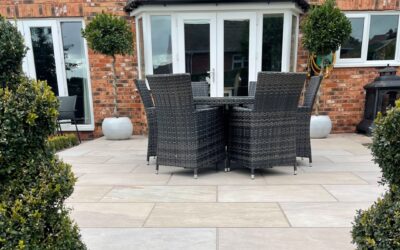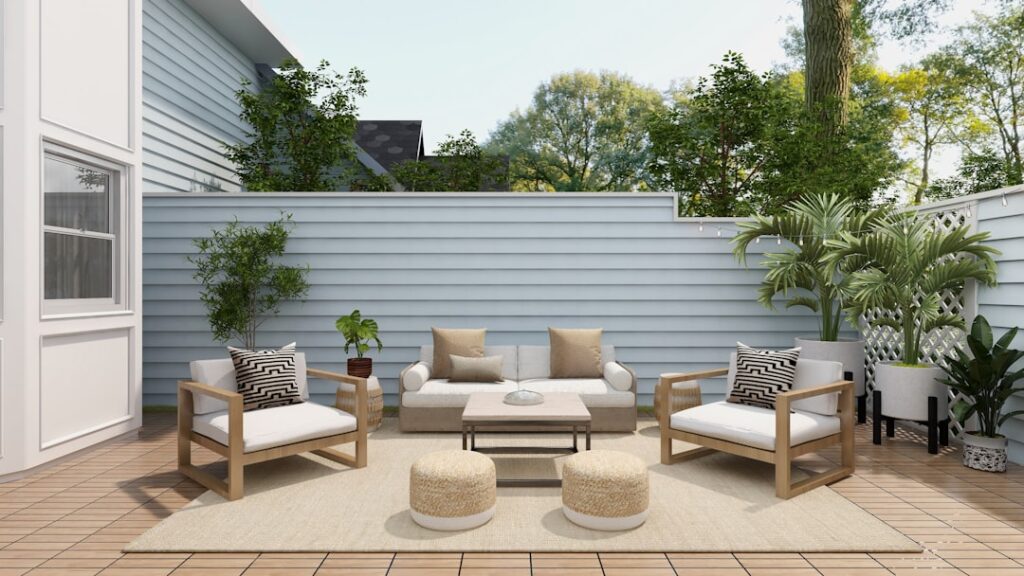
An outdoor patio rug instantly turns a bare slab of concrete or wood decking into a comfortable, finished outdoor room. The right rug anchors your furniture, adds color and pattern, and softens hard surfaces underfoot, all while standing up to sun, rain, and foot traffic that would destroy an indoor rug. The key is choosing a material built for the elements and a size that fits your space. Here is everything you need to pick and care for one.
Part of our Decks & Outdoor guide — explore the full guide →
Why Use an Outdoor Rug
Outdoor rugs do more than decorate. They visually define a seating or dining zone on a large patio, making the space feel intentional and cozy. They cushion bare feet on hot concrete or rough stone, hide stains and cracks on aging surfaces, and reduce slipping when paired with a proper rug pad. On a wood deck, a rug can also protect the boards from scuffing furniture, though you should still let the deck breathe to avoid trapped moisture.
Best Materials for the Outdoors
Material is the most important decision because it determines how the rug survives weather.
- Polypropylene (olefin): The most popular outdoor rug fiber. It is affordable, fade-resistant, mildew-resistant, and dries quickly. Many are reversible.
- Recycled plastic (PET): Durable and eco-friendly, often woven into flat, washable rugs perfect for high traffic.
- Polyester: Soft and colorfast, though it holds moisture longer than polypropylene.
- Natural fibers (jute, sisal, bamboo): Great look but best for covered porches only, since they soak up water and can rot or mold in the rain.
For a fully exposed patio, a flat-woven polypropylene or recycled-plastic rug labeled UV-resistant and mildew-resistant is the safest bet.
Choosing the Right Size
Size your rug to your furniture, not just the patio. As a guide, the rug should be large enough that at least the front legs of all your seating sit on it, which ties the grouping together.
- 5×8 feet: Small balconies or a single chair-and-table set.
- 8×10 feet: A standard sofa-and-chairs seating group.
- 9×12 feet and up: Large dining sets and full outdoor living rooms.
Leave a border of bare patio around the rug so the space does not feel crowded, and make sure a dining rug is big enough that chairs stay on it when pulled out.
Keeping It in Place and Protecting Your Surface
Wind and foot traffic shift rugs around. Use an outdoor-rated, breathable rug pad designed for hard surfaces; it grips the rug, adds cushion, and lets air and water flow underneath. That airflow is important on wood and composite decking, where a rug that traps moisture can discolor or rot the boards. On windy patios, consider corner weights or anchors.
Cleaning and Maintenance
Synthetic outdoor rugs are easy to keep clean. Shake or sweep off debris regularly, and hose the rug down when it gets dirty. For spills and stains, scrub with mild soap and water, then rinse thoroughly and stand or hang the rug to dry fully before laying it back down. Avoid harsh bleach unless the label says it is safe. To prevent mildew, lift the rug occasionally to let the surface beneath dry, especially after heavy rain.
Sun and Season Tips
Even UV-resistant rugs fade slowly over years of intense sun. In regions with harsh winters or long rainy seasons, roll up and store the rug indoors during the off-season to extend its life. A quick clean and dry before storage prevents musty smells and mildew. Rotate the rug occasionally so foot traffic and sun wear it evenly.
Styling Your Outdoor Space
An outdoor rug sets the tone for the whole patio, so coordinate it with your furniture and cushions. Bold patterns and bright colors energize a casual space and hide dirt well, while neutral and natural-tone rugs create a calm, sophisticated backdrop that lets greenery and accents pop. For a layered, designed look, match the rug’s accent color to your throw pillows or planters. Stripes can visually lengthen a narrow balcony, while a large patterned rug anchors an open patio and defines a seating zone.
Think about the view from inside, too. Many patios are seen through a window or door from the living room, so a rug that complements your interior colors makes the indoor and outdoor spaces feel connected. On a covered porch you can use softer textures and natural fibers; in full sun and rain, stick with weatherproof synthetics in colors that hide pollen and dust.
Common Mistakes to Avoid
A few missteps cut an outdoor rug’s life short. The biggest is choosing an indoor or natural-fiber rug for an exposed patio, where it quickly molds, fades, and rots. Another is skipping a breathable pad on a wood deck, which traps moisture and discolors or warps the boards. Buying a rug too small for the furniture leaves the space looking disjointed, and ignoring wind means a lightweight rug constantly creeps and folds.
Avoid letting leaves, standing water, and damp debris sit on the rug for long stretches, since that invites mildew even on synthetic fibers. A quick sweep after storms and an occasional lift to dry the underside go a long way. Finally, do not assume UV resistant means fade proof; rotate the rug and store it in the off-season to keep colors vibrant.
Indoor-Outdoor Rugs Inside the Home
Outdoor rugs are not just for patios. Their tough, washable construction makes them excellent for high-mess indoor spaces too. Many homeowners use indoor-outdoor rugs in mudrooms, kitchens, laundry rooms, and homes with pets and kids, because spills wipe up easily and the flat weave hides dirt. The trade-off is that they feel less plush underfoot than a wool or shag rug, so they suit busy, practical rooms more than a formal living room.
If you want the durability outdoors and a softer feel indoors, layer a small indoor-outdoor rug under a thin natural-fiber or cotton accent rug. That combination gives you easy-clean protection on the bottom with a cozier surface on top, and it works especially well in entryways where dirt and moisture arrive from outside.
Cost and Final Thoughts
Outdoor patio rugs are budget-friendly. Small synthetic rugs start around $30 to $60, mid-size 8×10 rugs commonly run $70 to $150, and large designer pieces can reach $200 or more. For most patios, a quality polypropylene rug in the $70 to $150 range delivers durability, color, and easy care without overspending. Choose a weatherproof fiber, size it to your furniture, add a breathable pad, and rinse it now and then. Do that and your outdoor patio rug will look inviting season after season.