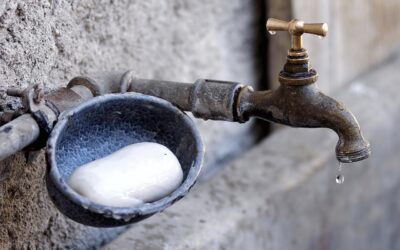
Pick up a cheap faucet and a genuine one side by side, and the difference is instant: weight. A solid brass kitchen faucet feels dense and cold in the hand because the body is machined from real brass rather than stamped from thin zinc alloy. That mass is not just for show. A solid brass kitchen faucet shrugs off the mineral corrosion and internal pitting that send lightweight zinc-body faucets to the landfill in five or six years.
Part of our Kitchen Remodeling guide — explore the full guide →
Brass has been the plumbing industry’s benchmark metal for over a century for good reason. It resists corrosion, handles hot water without warping, and threads cleanly onto standard fittings. This guide covers how to verify you’re actually getting solid brass, which finishes hold up, what installation involves, and what you should expect to pay.
- Why Brass Outlasts the Alternatives
- How to Tell Real Solid Brass From Fakes
- Finish Options and How They Wear
- Installing a Solid Brass Faucet
- What a Quality Brass Faucet Costs
- Care That Keeps It Looking New
- Choosing the Right Style and Configuration
- How Brass Compares to Stainless Steel
- The Bottom Line
Why Brass Outlasts the Alternatives
The vast majority of budget faucets sold under $100 use a body cast from zinc alloy, often marketed with vague words like “metal construction.” Zinc is cheap and easy to die-cast, but it corrodes from the inside as water sits in the passages, and the threads strip easily. Brass, an alloy of copper and zinc, is dramatically more corrosion-resistant and far stronger at the threads and valve seats.
The practical payoff shows up over time. A quality solid brass faucet routinely lasts 15 to 25 years, and manufacturers back that confidence with lifetime warranties on the finish and function. Zinc-body faucets typically carry limited warranties measured in single-digit years, which tells you what the maker expects.
How to Tell Real Solid Brass From Fakes
Marketing language is slippery, so verify with these checks before you buy.
- Weight test: A solid brass single-handle faucet body typically weighs 4 to 7 pounds. If a boxed faucet feels suspiciously light, it’s likely zinc or plastic under the plating.
- Read the spec sheet: Look for the phrase “solid brass construction” or “forged brass body,” not just “brass finish,” which only describes the color.
- Lead-free certification: Genuine brass faucets sold in the US carry NSF/ANSI 372 lead-free certification. Modern low-lead brass alloys like C69300 or “eco brass” are standard.
- Magnet check: Brass is non-magnetic. A strong magnet won’t stick to a solid brass body, though it can stick to stainless steel components, so use this alongside the weight test.
Reputable makers like Moen, Kohler, Delta, and higher-end lines from Kingston Brass and Rohl are transparent about body material. When a listing dodges the question, assume it’s zinc.
Finish Options and How They Wear
The brass underneath is the same; the finish on top determines the look and the maintenance.
- Polished chrome: The most durable and easiest to clean, but shows water spots. Runs $80 to $200.
- Brushed nickel: Hides spots and fingerprints well, warm-neutral tone. $120 to $300.
- Matte black: Bold and popular, but powder-coat and PVD versions vary in scratch resistance. $150 to $400.
- Living or unlacquered brass: Ages and patinas over time for a warm antique look. $200 to $600 and favored in farmhouse and traditional kitchens.
- PVD finishes: Physical vapor deposition bonds the color at a molecular level and is by far the most scratch and tarnish resistant coating available. Worth the premium.
Installing a Solid Brass Faucet
The heavier body doesn’t complicate installation much, but the weight means you want the mounting hardware snug. Plan on 45 to 90 minutes for a swap.
- Shut off the hot and cold supply valves under the sink and open the old faucet to relieve pressure.
- Disconnect the supply lines and the mounting nuts, then lift the old faucet out from above.
- Clean the sink deck of old plumber’s putty or gasket residue so the new base seats flat.
- Feed the new faucet’s lines through the deck hole, set the gasket, and tighten the mounting nut from below. Brass bodies are heavy, so support the faucet while you tighten.
- Connect the braided stainless supply lines, wrapping the threads in PTFE tape, and hand-tighten plus a quarter turn with a wrench.
- Turn the water back on slowly, remove the aerator, and run both temperatures for 30 seconds to flush debris before checking every joint for drips.
If your sink has a different hole count than the new faucet, use the included deck plate to cover extra holes rather than buying a different faucet.
What a Quality Brass Faucet Costs
Expect to spend more than the big-box zinc special, but the lifetime math favors brass. A solid mid-range solid brass pull-down faucet runs $150 to $350. Premium designer and imported lines climb to $400 to $900. Compare that to replacing a $70 zinc faucet three or four times over the same 20-year span, plus the labor and the water damage risk each time one fails, and the brass unit is often cheaper in the long run.
Don’t overlook the internal cartridge either. The best faucets pair a brass body with a ceramic disc cartridge rated for 500,000 or more cycles, which is what actually stops the drips as the faucet ages.
Care That Keeps It Looking New
Brass is low-maintenance, but the finish appreciates gentle treatment. Wipe the faucet dry after heavy use to prevent water spotting, and clean with mild dish soap and a soft cloth. Skip abrasive pads, ammonia, and bleach-based cleaners, which can dull or strip plated finishes over time. For living-finish unlacquered brass, simply let it patina; if you want to reset the shine, a light pass with brass polish brings it back.
Every year or two, unscrew the aerator and soak it in white vinegar to dissolve mineral buildup that restricts flow. That five-minute habit keeps the stream strong and prevents the sputtering that people mistake for a failing faucet.
Choosing the Right Style and Configuration
Solid brass faucets come in the same range of styles as any other material, so match the form to how you cook. A pull-down faucet with a high gooseneck spout and a spray head that pulls straight down into the sink is the most versatile for a deep single-bowl sink. A pull-out faucet, where the spray head pulls toward you horizontally, suits shallower or smaller sinks and tight spaces under a window.
- Single-handle: One lever controls temperature and flow, easiest to use with wet or full hands. The most popular modern choice.
- Bridge faucet: Two handles joined by an exposed bridge, a classic look for farmhouse and traditional kitchens, almost always solid brass.
- Commercial-style spring-spout: A tall coiled spring neck with a pro-kitchen look, great for filling big pots.
- Touchless or touch-activated: Adds a sensor for hands-free operation, handy when your hands are covered in raw chicken or dough.
Check your sink’s hole count before buying. A single-hole faucet needs one hole; a widespread or bridge faucet needs three. Most solid brass faucets include a matching deck plate to cover unused holes, so a three-hole sink can still take a single-hole faucet cleanly.
How Brass Compares to Stainless Steel
The main rival to solid brass in the premium tier is solid stainless steel. Both are excellent, corrosion-resistant, and long-lasting, so the choice often comes down to finish and feel. Stainless steel is naturally lead-free, slightly lighter than brass, and offers a modern brushed look, but it can’t take the wide range of plated finishes that brass accepts, so your color options are narrower.
Brass is the more versatile canvas. Because the finish is applied over the brass, you can get everything from polished chrome to matte black to living unlacquered brass on the same underlying body. Brass also threads and machines beautifully, which is why the highest-end European and heritage faucets are almost universally solid brass. For pure looks and finish variety, brass wins; for a strictly modern stainless aesthetic, solid stainless is a fine alternative.
The Bottom Line
If you cook daily and plan to stay in your home, a solid brass kitchen faucet is one of the few upgrades that genuinely pays for itself. Verify the body material with the weight and spec checks, choose a PVD finish if you can, and pair it with a ceramic disc cartridge. Do that, and you’ll install a faucet once and forget about it for two decades.