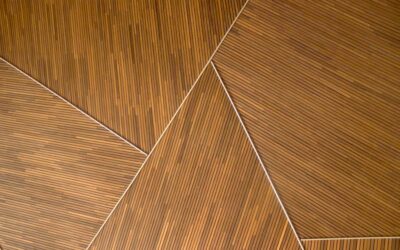
Geometric wood floors predate wall-to-wall plank by centuries, Versailles had parquet in the 1680s, and the format is having its strongest revival in decades. Solid oak parquet flooring means individual blocks or fingers of full-thickness oak, typically 3/4 inch or 16mm, arranged in repeating patterns: herringbone, chevron, basketweave, brick, and the ornate Versailles panel. Unlike engineered lookalikes, solid blocks can be sanded and refinished five, six, seven times over a century of service, which is why 1920s parquet in Chicago apartments and 1960s block parquet in mid-century ranches keep coming back to life under rental sanders. Here is what solid parquet costs, where it shines, and what makes it a more demanding purchase than plank.
What Counts as Solid Parquet
Two broad families dominate. Traditional block parquet uses solid fingers or blocks, commonly 9/16 to 3/4 inch thick and sized around 2.25 x 9 inches or similar, installed piece by piece in adhesive. This is the format in prewar apartments and postwar suburbs alike, and it is still milled today by specialty suppliers. The second family is patterned strip: herringbone and chevron blocks cut as individual solid pieces, larger than old-style fingers, often 3 to 5 inches wide and 12 to 24 inches long.
Distinguish all of it from two things sold under the same name: engineered parquet (a veneer over plywood, refinishable once or twice at best) and vintage 12×12 parquet tiles (thin fingers pre-assembled on mesh or paper, often only 5/16 inch thick with limited sanding life). Solid full-thickness blocks are the buy-it-once version, and the price reflects that.
The Patterns and What They Cost You
Pattern choice drives both the look and the labor bill.
- Herringbone: rectangular blocks meeting at 90 degrees in a zigzag. The revival’s star pattern; classic and forgiving of block-size variation. Labor premium over straight plank: roughly 30 to 50 percent.
- Chevron: blocks cut at 45 or 60 degree angles meeting in a true point. Sleeker, more continental, and less forgiving, angle cuts must be perfect. Highest labor premium of the strip patterns.
- Basketweave and brick: the mid-century classics, quicker to lay and quietly handsome, especially in smaller rooms.
- Versailles and Chantilly panels: preassembled ornate squares, usually 3 x 3 feet, at $20 to $50-plus per square foot in solid oak. Dining rooms and entries, statement budgets.
Oak grade matters alongside pattern. Select or prime grade gives clean, even color that suits chevron’s formality; rustic grade with knots and color variation plays well in herringbone farmhouse settings and costs 20 to 30 percent less.
The Pros: Why Solid Parquet Endures
Refinishability is the economic core of the case. A 3/4-inch solid block carries enough wear stock above the tongue for multiple full sandings, so the floor’s realistic service life is 75 to 100-plus years. Every engineered alternative trades most of that away.
- Pattern equity: herringbone oak visibly elevates a room and appraises like the premium finish it is
- Dimensional stability by design: small blocks in alternating grain directions distribute wood movement, which is why parquet historically went into spaces too humid-variable for wide plank
- Repairable piece by piece: a damaged block can be chiseled out and replaced individually
- Restoration value: existing vintage parquet under carpet is a lottery win, sanding and refinishing at $3 to $8 per square foot beats any new floor’s price
- Oak’s track record: hard enough (1,290-1,360 Janka) for real family life, with predictable staining and finishing behavior
The Cons: What You Sign Up For
Cost concentrates in labor. Material for quality solid oak herringbone blocks runs $6 to $15 per square foot, respectable but comparable to good plank. Installation is where parquet separates: full-spread adhesive installation of individual blocks, pattern layout from a center line, and border details demand an installer who does this work regularly, at $4 to $10-plus per square foot versus $3 to $5 for plank. Bad parquet installation is obvious from across the room, drifting pattern lines, fat glue joints, and it cannot be hidden.
Solid wood limitations still apply at the material level: no wet areas, cautious use over concrete without proper moisture testing and vapor management, and no compatibility with most radiant heat systems (engineered parquet is the radiant answer). Site-finished installations also mean days of sanding, dust management, and finish cure before move-in. Finally, subfloor flatness requirements are stricter than plank, 3/16 inch over 10 feet or better, because pattern geometry amplifies any hump or dip.
Budget Numbers
Plan around these installed ranges for solid oak:
- Herringbone or brick pattern, site-finished: $12 to $22 per square foot all-in
- Chevron, site-finished: $14 to $25 per square foot
- Versailles panels: $30 to $60-plus per square foot installed
- Restoring existing vintage parquet: $3 to $8 per square foot for sand and refinish, plus block repairs at $15 to $50 per block area
A 400 square foot living-dining installation in new herringbone therefore runs roughly $5,000 to $9,000. Add 8 to 12 percent material waste for pattern cuts, more for chevron and bordered layouts. Prefinished solid herringbone exists and saves the site-finishing week, but site finishing produces the flat, monolithic surface with flush joints that makes traditional parquet look right, and most high-end installers still recommend it.
Finishing and Living With It
Finish choice sets the personality. Oil-based polyurethane ambers oak warmly and suits traditional herringbone; waterborne polyurethane (Bona Traffic HD is the contractor standard) keeps oak pale and Scandinavian; hardwax oils (Osmo, Rubio Monocoat) give a matte, natural-wood look that spot-repairs invisibly but wants periodic re-oiling. Stains work too, though busy patterns plus dark stain can read heavy in small rooms.
Daily care is ordinary hardwood care: dry dusting, a hardwood-specific cleaner, felt pads under furniture, 30 to 50 percent indoor humidity year-round. The pattern hides small scratches better than long plank does, since the eye follows geometry rather than individual boards. Expect gap movement seasonally in dry winters, normal for solid wood, and resist the urge to fill gaps that will close again in July.
Buying Checklist
Before ordering, confirm thickness (16mm/5/8 inch minimum, 3/4 inch preferred for maximum sanding life), tongue-and-groove milling on all four sides, grade consistency across boxes, and moisture content documentation (6 to 9 percent). Vet installers by asking to see completed pattern work, not plank jobs, and get the layout plan, centered pattern, border treatment, direction relative to the main sight line, drawn before glue opens. For DIYers: brick and basketweave are achievable with patience; herringbone is ambitious; chevron is where good money gets paid to professionals for a reason.
Verdict
Solid oak parquet flooring is the long-game choice: more expensive to install than plank or engineered patterns, but carrying a century of refinishable life and a pattern premium that never reads builder-grade. Buy full-thickness blocks, spend properly on installation, and choose herringbone if you want the safe stunning option. And if you find old parquet hiding under carpet in a house you are renovating, restore it before you even price alternatives, it is usually the best floor in the neighborhood at the lowest cost per decade.
Prefer to explore on your own?
See how new flooring looks in your actual room in seconds — free, no signup.
Try the free Floor Studio →