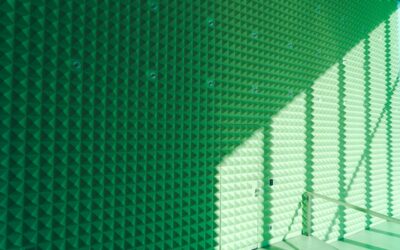
Standard 1/2-inch drywall does almost nothing to block sound between rooms. If you can hear every conversation, footstep, or TV show through your walls, soundproof drywall is one of the most effective upgrades you can make without tearing your house apart. These engineered panels use dense cores, damping compounds, and layered construction to cut noise transmission by 15 to 20 STC points compared to regular gypsum board.
Part of our Roofing guide — explore the full guide →
How Acoustic Drywall Works
Unlike standard drywall, which is a single layer of gypsum sandwiched between paper facings, noise-reducing panels combine multiple layers of gypsum with a viscoelastic polymer core. This damping layer converts sound energy into tiny amounts of heat, dramatically reducing the vibrations that pass through walls. The result is a panel that looks and installs like regular drywall but performs far better acoustically.
Sound transmission is measured using STC (Sound Transmission Class) ratings. A standard wall with regular 1/2-inch drywall on both sides scores around STC 33. Swap in acoustic panels and that same wall assembly can reach STC 50 to 56, which is enough to make loud speech nearly inaudible from the next room.
Top Noise-Reducing Drywall Products
Several manufacturers produce noise-reducing drywall panels, but a few dominate the market:
- QuietRock 510 — The most popular option at roughly $50-$55 per 4×8 sheet. Delivers STC 50+ in standard wall assemblies and installs with regular drywall tools.
- QuietRock 530 — A step up at around $65 per sheet, with enhanced low-frequency performance ideal for home theaters and music rooms.
- National Gypsum SoundBreak XP — Priced around $45-$50 per sheet. Uses a constrained-layer damping core and offers STC ratings comparable to QuietRock 510.
- CertainTeed SilentFX — Available at roughly $40-$48 per sheet. A viscoelastic polymer core provides solid mid-range sound reduction.
Cost Breakdown
Acoustic drywall panels cost $40 to $65 per 4×8 sheet, compared to $10 to $15 for standard drywall. For a typical 12×12-foot room with 8-foot ceilings, you need about 14 sheets for the walls alone. That puts your material cost at $560 to $910 for noise-reducing panels versus $140 to $210 for regular drywall.
Professional installation adds $1.50 to $3.00 per square foot for hanging, taping, and finishing. Most contractors charge the same labor rate for these panels as standard since the installation process is nearly identical, though the heavier panels (some weigh over 80 pounds per sheet) may require a helper.
Installation Tips
Hanging these panels follows the same basic process as regular drywall, but a few details make a big difference in acoustic performance:
- Seal all electrical boxes, outlet penetrations, and gaps with acoustical caulk before hanging panels. Sound leaks through even small openings.
- Use 1-5/8 inch fine-thread drywall screws spaced every 12 inches along studs. The heavier panels need secure fastening.
- Apply acoustical sealant along the top and bottom plates before pressing panels into place. This eliminates flanking noise at the edges.
- Stagger seams so they do not line up with joints on the opposite side of the wall. Aligned seams create weak points for sound transmission.
- Tape and mud joints with standard compounds. No special finishing products are needed.
Acoustic Panels vs. Double Drywall
A common DIY approach is doubling up standard drywall with Green Glue compound sandwiched between layers. Two layers of 5/8-inch drywall with Green Glue can reach STC 50 to 55, rivaling dedicated soundproof drywall panels. The trade-off is thickness: double drywall adds about 1-1/4 inches to your wall, which may require door jamb extensions and trim adjustments.
A single noise-reducing panel keeps the wall at standard thickness (5/8 inch) while delivering similar STC performance. For renovations where you cannot afford to lose room space or deal with trim modifications, it is the cleaner solution. For new construction where wall thickness is not a constraint, the double-drywall-plus-Green-Glue approach can save money.
Where Noise-Reducing Drywall Makes the Biggest Impact
Not every wall in your home needs acoustic treatment. Focus your budget on these high-value areas:
- Home offices — Eliminates distractions from adjacent living spaces, especially important for video calls.
- Bedrooms sharing walls with living rooms — Blocks TV and conversation noise for better sleep.
- Home theaters and music rooms — Keeps bass and surround sound from bleeding into the rest of the house.
- Bathrooms adjoining bedrooms — Reduces the sound of running water, flushing, and exhaust fans.
- Walls between attached homes or condos — Party walls benefit enormously from upgraded drywall.
Maximizing Your Sound Reduction
Acoustic drywall alone will not solve every noise problem. For the best results, combine it with other techniques. Adding R-13 or R-15 fiberglass batt insulation inside the wall cavity absorbs airborne sound and can add 4 to 8 STC points. Resilient channel or sound isolation clips decouple the drywall from the studs, breaking the direct vibration path and adding another 5 to 10 STC points.
Pay attention to flanking paths as well. Sound travels through air ducts, floor joists, and ceiling cavities. Sealing ductwork penetrations and adding acoustical putty pads behind electrical boxes ensures your investment in noise-reducing panels delivers its full potential.
Is It Worth the Investment?
For most homeowners tackling a single room or shared wall, soundproof drywall offers the best balance of performance, ease of installation, and minimal impact on wall thickness. At $40 to $65 per sheet, the material premium over standard drywall is significant but still far cheaper than professional soundproofing systems that can run $5,000 or more per room. If noise between rooms is affecting your quality of life, this is one upgrade that pays for itself in comfort every single day.