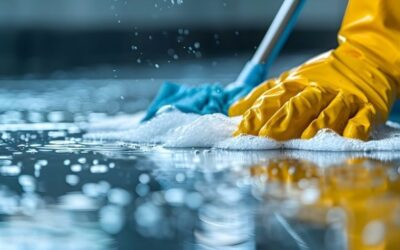
Most people throw out a $200 throw pillow the first time it gets a coffee stain because they read three little words on the care tag and assumed they were doomed. The spot clean only meaning on a fabric label is far less limiting than it sounds — it does not mean the item cannot be cleaned, only that it cannot survive full immersion or machine agitation. Understanding the why and the how separates a salvageable upholstered chair from a $1,500 disposal trip.
The Literal Definition
The Federal Trade Commission’s Care Labeling Rule defines spot clean as the removal of a stain with a damp cloth, sponge, or specialized cleaner applied directly to the affected area only. The rest of the fabric is not touched. The instruction is given when the item cannot be washed, dry cleaned, or steamed without damage to the construction, color, or backing.
The label exists to limit liability for the manufacturer, not to limit your options. If a vintage silk drapery panel says spot clean only, that means the manufacturer cannot guarantee the dye, lining, or weave will survive immersion. It does not mean the fabric has supernatural fragility.
Why Some Items Get the Label
Common reasons a manufacturer specifies spot clean only:
- Non-removable cushion covers with foam that absorbs water and grows mildew
- Dyes that bleed in water (rayon, some silks, cheap velvets)
- Glued-on trim, beadwork, or appliques that release with moisture
- Wool or felt that shrinks unpredictably
- Cardboard or paper-pulp interior structure (lampshades, some headboards)
- Down or feather fill that clumps after wetting and never recovers
- Leather and suede where water leaves rings
Identify which reason applies to your item before choosing a method. A wool throw with a glued-on trim is a different problem than a polyester sofa cushion with non-removable covers.
Tools You Need
The right tools turn spot cleaning from a gamble into a controlled process:
- Two clean white microfiber cloths — colored cloths can transfer dye
- Distilled water — tap water leaves mineral rings on dark fabrics
- A small spray bottle for misting
- A spoon or dull butter knife for lifting solids
- Mild fabric cleaner — Folex, Resolve Multi-Fabric, or Chemspec Formula 90
- For grease: cornstarch or dry-cleaning solvent like K2r
- A small brush with soft natural bristles
Skip the household cleaning sprays. 409, Windex, and Lysol all contain surfactants and dyes that ruin natural fabrics.
The Test-Patch Step Nobody Skips
Before touching the visible stain, test the cleaner on a hidden section — under a cushion, behind a pillow zipper, on the back of a curtain hem. Apply a small amount, blot with a white cloth, and wait 10 minutes. Look for color transfer, water rings, or texture changes.
If the test patch shows any color on the cloth, stop. The fabric will bleed and you need a dry-cleaning solvent or a professional cleaner instead of water-based methods.
Step-by-Step Spot Cleaning
Once you have confirmed the cleaner is safe, work in a deliberate sequence:
- Lift any solid material with a spoon, scraping toward the center of the stain
- Blot — never rub — liquid stains with a dry cloth to absorb what you can
- Mist the cleaner onto a second clean cloth, not directly onto the fabric
- Press the damp cloth onto the stain, working from the outside edge toward the center
- Lift, fold to a clean section, repeat
- Mist plain distilled water onto a third cloth and blot to remove cleaner residue
- Press a dry cloth firmly to absorb remaining moisture
- Allow the area to air-dry, ideally with a fan blowing across the surface
Working from the outside in prevents the stain from spreading into clean fabric — the most common mistake amateur cleaners make.
Stain-Specific Approaches
Different stains require different chemistry:
- Coffee, tea, wine — cool water and dish soap, never hot water (heat sets tannin stains)
- Blood — cold water and a dab of hydrogen peroxide on whites only; enzyme cleaner on colors
- Grease and oil — sprinkle cornstarch, let sit 30 minutes, brush off, then dab with a dry-cleaning solvent
- Ink — isopropyl alcohol on a cotton swab, dabbing carefully
- Pet urine — Nature’s Miracle or any enzymatic cleaner; never ammonia, which mimics urine and signals re-marking
- Lipstick and makeup — dish soap diluted in water, then a clean-water blot
For unknown stains, start with the gentlest approach (water and a drop of mild soap) and escalate only if needed.
When Spot Clean Becomes Whole-Item Clean
If a piece of furniture has a generally tired look beyond a single stain, spot cleaning will not save it. The boundaries between cleaned and uncleaned areas become more obvious as the cleaner spots dry brighter than the surrounding fabric.
For these situations, consider professional in-place upholstery cleaning. Companies using low-moisture extraction with products like Bridgepoint Fab or Chemspec leave items damp rather than soaked. Cost runs $80 to $200 per piece and can extend the life of furniture marked spot clean only by years.
What Spot Clean Does Not Allow
The label specifically prohibits:
- Submerging the item in water
- Machine washing on any cycle, even gentle
- Steam cleaning, which forces moisture into the substrate
- Hot water above 100°F
- Aggressive scrubbing that rubs fibers off the surface
- Bleach, even oxygen-based bleach
Violating any of these almost guarantees damage that cannot be reversed.
Final Take
The spot clean only label is a precaution, not a sentence. With the right tools, a calm approach, and patience for the test-patch step, most stains on most spot-clean fabrics come out cleanly. Save your $200 pillow, your grandmother’s wool runner, and your sectional cushions by treating the label as guidance — not a warning to throw the item away.