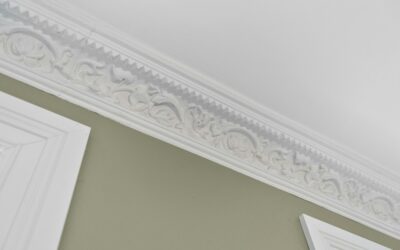
Walk into a room that feels finished and polished, and chances are your eye is reading a detail you barely notice consciously: the trim where the walls meet the ceiling. The crown molding meaning is simple at its core, decorative trim installed at the junction of wall and ceiling, but its effect on a room is anything but minor. This single architectural detail bridges two surfaces, adds a sense of height and craftsmanship, and instantly reads as a more custom, upscale space. Here is what crown molding is, why it matters, and how to choose the right profile for your home.
The Basic Definition
Crown molding is a horizontal band of trim that covers the joint where the wall meets the ceiling. Unlike baseboards, which sit flat against the wall, crown molding is installed at an angle, spanning the corner and projecting out from both surfaces. That angled installation is what gives it the graceful, three-dimensional shadow line that defines the look.
The term covers a wide family of profiles, from a simple cove to ornate multi-piece assemblies built up from several individual moldings stacked together.
Why Crown Molding Matters
Beyond looks, crown molding serves several purposes. It hides the small imperfections and gaps that naturally occur where drywall meets the ceiling, giving a clean transition. It draws the eye upward, making ceilings feel taller and rooms feel grander. And historically, it signaled craftsmanship and status, a tradition that carries into how buyers perceive a home today.
Real estate agents often note that crown molding makes a room feel more finished and can subtly raise the perceived value of a home, which is part of why it remains so popular in living rooms, dining rooms, and primary bedrooms.
Common Materials
Crown molding comes in several materials, each with trade-offs:
- Wood (pine, poplar, oak): traditional and stainable, but pricier and prone to gaps as it expands and contracts
- MDF: medium-density fiberboard, smooth and affordable for painted applications, the most common DIY choice at $1 to $3 per linear foot
- Polyurethane: lightweight, moisture-resistant, and pre-primed, ideal for bathrooms and easy one-person installs
- Polystyrene foam: the cheapest, glue-up option, good for renters and tight budgets
- Plaster: the premium, custom route for historic homes and elaborate profiles
For most painted rooms, MDF or polyurethane gives the best balance of cost and appearance.
Choosing the Right Size
Scale matters more than people expect. Molding that is too small looks like an afterthought, while oversized trim can overwhelm a low room. A practical guideline ties the height of the molding to the ceiling:
- 8-foot ceilings: 3 to 5.5 inches of crown molding height
- 9-foot ceilings: 5 to 7 inches
- 10-foot ceilings and above: 7 inches or more, often built up from multiple pieces
Hold a sample to the corner and step back across the room before committing. The right size looks proportional, not bolted on.
Popular Styles and Profiles
Profile sets the architectural tone. A simple cove, a concave curve, suits modern and casual rooms. A classic crown with stepped detail and ogee curves fits traditional and colonial homes. Dentil molding, with its repeating tooth-like blocks, reads formal and historic, perfect for dining rooms. Stacked or built-up crown, combining a crown profile with additional trim pieces, creates a substantial, custom presence in grand spaces.
Match the profile to your home’s overall style so the trim feels intentional rather than imported from a different era.
Installation Basics
Crown molding is one of the more challenging trim jobs because it sits at a compound angle, meaning the cuts involve both a miter and a bevel. The basic process looks like this:
- Measure each wall and mark stud and joist locations for solid nailing.
- Cut inside and outside corners on a miter saw, using the correct spring angle for your molding.
- Nail the molding into studs at the bottom and ceiling joists at the top with a finish nailer.
- Fill nail holes and caulk the top and bottom edges for a seamless line.
- Prime and paint, traditionally in a semi-gloss white that contrasts with the wall.
Corner cuts trip up most beginners, so practice on scrap or use coping for inside corners. Pre-mitered corner blocks offer a cheat that skips the tricky cuts entirely.
Crown Molding vs Other Trim Types
It helps to understand where crown molding fits among a home’s trim. Crown molding sits at the top of the wall against the ceiling, installed at an angle. Baseboard runs along the bottom where wall meets floor, sitting flat. Casing frames doors and windows. Chair rail runs horizontally at about waist height to protect walls.
Crown is the most architecturally dramatic of these because of its angled projection and the shadow line it casts. It is also the trickiest to install for exactly that reason. Coordinating the crown profile with your existing baseboard and casing keeps the whole room’s trim package looking like it belongs together rather than assembled piecemeal.
Where to Use Crown Molding and Where to Skip It
Crown molding pays off most in formal, high-visibility rooms, but it is not right everywhere. Prioritize it in:
- Living rooms and dining rooms, where guests gather and formality reads well
- Primary bedrooms, for a finished, restful feel
- Entryways and hallways, which set first impressions
Hold back in rooms with very low ceilings, where heavy crown shrinks the space, and in highly casual or modern minimalist interiors where simple lines are the point. Bathrooms and laundry rooms rarely need it, though a moisture-resistant polyurethane profile works if you want continuity.
Is It Worth Adding?
For a relatively modest material cost and a weekend of work, crown molding delivers an outsized payoff in how finished a room feels. Start with a main living space or dining room where guests gather, choose a profile that matches your home’s character, and size it to your ceiling height. Understanding the crown molding meaning, and the difference good trim makes, helps you see why this small detail has stayed a favorite upgrade for centuries.