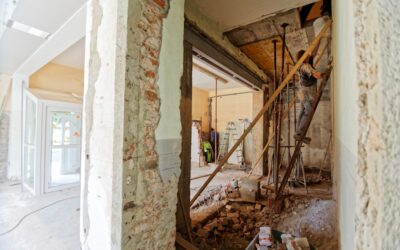
Spray foam goes on in minutes and can take days to come off. That imbalance is why spray foam insulation removal cost surprises so many homeowners: you are paying for slow, careful scraping and cutting, protective gear, containment, disposal, and often repairs to whatever the foam was stuck to. Most residential removal projects fall somewhere between a few thousand dollars for a small area and well into five figures for a full attic or whole-house job. Understanding what drives the price helps you get fair quotes and avoid paying to remove foam that may not need to go.
- Average Spray Foam Insulation Removal Cost
- Why Homeowners Remove Spray Foam
- What Affects the Cost of Removal
- Hidden and Follow-Up Costs to Budget For
- DIY Removal vs Hiring a Contractor
- Safety: When to Call a Licensed Professional
- How to Get Accurate Quotes and Save Money
- Is Removal Worth It?
- Frequently Asked Questions
Average Spray Foam Insulation Removal Cost
Contractors usually price removal by the square foot of surface covered, then adjust for thickness, foam type, and access. The ranges below reflect typical quotes homeowners report; your local labor rates and the specific conditions in your home will move the numbers.
| Project scope | Typical cost per sq ft | Typical project total |
|---|---|---|
| Open-cell, accessible attic roof deck | $2-$5 | $3,000-$10,000 |
| Closed-cell, attic or crawlspace | $4-$8+ | $5,000-$15,000+ |
| Wall cavities (drywall removed) | $4-$9 incl. drywall work | Varies by wall area |
| Whole-house removal | Blended rate | $15,000-$30,000+ |
For context, a 1,500-square-foot attic roof deck sprayed with open-cell foam might total roughly $4,500 to $9,000 for removal alone. Add replacement insulation, substrate repair, and cleanup, and the full project often lands higher. Get at least three itemized quotes, because pricing in this niche varies more than in most insulation work.
Why Homeowners Remove Spray Foam
Removal is not something anyone does for fun, so it helps to know which situations truly call for it:
- Persistent odor. Foam that was mixed or applied incorrectly can release a lingering fishy or chemical smell. When odor persists well beyond the normal curing period, removal of the affected area is sometimes the only reliable fix.
- Home sale or financing issues. Some buyers, inspectors, and lenders are cautious about foam applied directly to the underside of roof decking because it hides the sheathing and can make roof leaks harder to spot.
- Moisture and rot. Foam that traps water against framing or sheathing, often due to roof leaks or poor installation, may need to come off so the wood can be inspected and repaired.
- Poor adhesion or coverage. Foam pulling away from rafters or studs leaves gaps that undercut its air-sealing value.
- Renovation or repairs. Rewiring, plumbing reroutes, or roof replacement may require removing foam from specific areas.
Before committing, consider an independent assessment from a home energy auditor, building science consultant, or experienced home inspector, which commonly runs a few hundred dollars. A targeted fix, such as removing foam from one bay or re-sealing around a leak, can cost far less than full removal.
What Affects the Cost of Removal
Open-Cell vs Closed-Cell Foam
Open-cell foam is soft and spongy at about 0.5 pounds per cubic foot. It cuts with a long serrated blade or oscillating tool and often comes off in chunks, making it the less expensive type to remove. Closed-cell foam is dense, around 2 pounds per cubic foot, rigid, and bonds tightly to wood. Removing it usually means grinding, scraping, and sometimes accepting that thin residue will stay behind. Expect closed-cell removal to cost noticeably more per square foot.
Thickness and Coverage
A 3-inch layer of open cell between rafters comes off much faster than 7 inches that has been sprayed over framing. Foam that encapsulates wires, ducts, or plumbing slows crews down considerably.
Access and Location
Tight attics with low roof pitch, crawlspaces with limited headroom, and finished walls all add labor. Wall removal usually means cutting out drywall, removing the foam, then paying for new drywall, taping, and painting.
Containment and Protective Equipment
Professional crews set up plastic sheeting, negative air machines, and personal protective equipment. These setup costs are part of why small jobs have relatively high minimum charges, often $1,000 to $2,500.
Disposal
Cured foam is bulky. A single attic can fill multiple contractor bags or a dumpster. Dumpster rental and landfill fees, often a few hundred dollars and sometimes more, are built into most quotes.
Hidden and Follow-Up Costs to Budget For
The removal line item is only part of the total. Plan for these related expenses:
- Substrate repair: replacing rotted roof sheathing, rafters, or studs discovered after removal.
- Replacement insulation: blown-in cellulose or fiberglass on the attic floor often costs $1.50 to $3.50 per sq ft; batts or new foam vary.
- Ventilation changes: converting an unvented (sealed) attic back to a vented attic may require new soffit, ridge, or gable vents.
- Air sealing: once foam is gone, top plates, penetrations, and the attic hatch need sealing.
- Drywall and paint: for any wall or ceiling cavities opened to reach the foam.
- Odor or air-quality testing: optional, but sometimes requested for odor-related removals.
Adding these together, a realistic total for replacing problem attic foam with a vented attic and blown-in insulation can easily run 1.5 to 2 times the removal quote alone.
DIY Removal vs Hiring a Contractor
Handy homeowners sometimes consider removing small areas of open-cell foam themselves. It is physically possible with a foam saw, scrapers, and heavy-duty bags, and it can save labor on a single rafter bay. But the drawbacks are serious. Cutting and grinding foam creates dust and particulates, working in a hot attic is exhausting and risky, and it is easy to damage wiring or roof sheathing. If the reason for removal is odor from improperly cured foam, disturbing it without containment can spread the smell and exposure through the house.
For anything beyond a small patch, hire a contractor experienced specifically in spray foam removal, not just general insulation. Ask how they contain dust, what respirators and ventilation they use, how they dispose of waste, and whether the quote includes cleanup of residue on framing.
Safety: When to Call a Licensed Professional
Spray foam is made from reactive chemicals, and cured foam produces fine particles when cut or ground. Manufacturers and safety agencies recommend respiratory protection, eye protection, and ventilation during any work that disturbs it. Occupants, especially children, pets, and people with asthma, should stay out of the work area until cleanup is complete.
Call a licensed professional when removal covers more than a small patch, when there is lingering odor or suspected improper application, when foam surrounds electrical wiring or recessed lights, when you suspect roof leaks or structural rot, or when mold is present. If the home was built before 1978 and removal involves disturbing painted surfaces, lead-safe practices may also apply. Do not use heat guns or open flames to soften foam; it is combustible.
How to Get Accurate Quotes and Save Money
- Measure the area. Know the square footage of roof deck, walls, or crawlspace covered and the approximate foam depth.
- Identify the foam type. Press it: soft and spongy is open cell, hard and rigid is closed cell. Original installation paperwork helps.
- Document the problem. Photos of leaks, gaps, or discoloration help contractors price accurately.
- Request itemized bids. Removal, containment, disposal, repairs, and replacement insulation should be listed separately.
- Ask about partial removal. Removing only the affected zone may resolve the issue at a fraction of the price.
- Check the original installer’s warranty. If the foam failed due to application errors, the installer or manufacturer may share responsibility for remediation, though outcomes vary.
Scheduling in spring or fall avoids summer attic heat, which slows crews and can push up labor charges.
Is Removal Worth It?
Spray foam insulation removal cost is significant, so the decision should rest on evidence, not worry alone. Properly installed foam that is dry, odor-free, and adhered well usually does not need to come out, even if a buyer asks questions; a roof inspection and documentation of the installation may satisfy them. Remove foam when there is a defect you can point to: persistent odor, moisture damage, failed adhesion, or a necessary repair behind it. In those cases, budgeting for the full picture, including repairs and replacement insulation, leads to a better result than chasing the lowest removal quote.
Frequently Asked Questions
How much does it cost to remove spray foam from an attic?
Many attic removals fall roughly between $3,000 and $15,000, depending on size, foam type, and access. Closed-cell foam and cramped attics sit at the higher end.
Is closed-cell foam harder to remove than open-cell?
Yes. Closed-cell foam is dense and bonds tightly to wood, so it usually requires more scraping and grinding and costs more per square foot to remove.
How long does spray foam removal take?
A typical attic takes a professional crew one to several days, plus setup and cleanup. Whole-house jobs can take a week or more.
Can I stay home during spray foam removal?
For small, well-contained jobs some families stay, but for large removals or odor-related work many contractors recommend occupants stay elsewhere until cleanup and ventilation are complete.