Spray foam is often sold as the last insulation you will ever need, and when it is installed well, it delivers exceptional air sealing and energy savings. When it is installed badly, though, the result can be a lingering chemical odor, foam pulling away from the framing, hidden moisture, or a sale that falls apart at inspection. Most spray foam insulation problems trace back to installation conditions rather than the product itself. This guide walks through the most common failures, what causes each one, how to recognize the warning signs, and what you can realistically do about them.
- Spray Foam Insulation Problems Start With How the Foam Works
- The Most Common Spray Foam Insulation Problems
- Spray Foam Insulation Problems in Attics and Roof Decks
- Health and Safety Concerns
- Resale and Mortgage Issues
- How to Prevent Problems Before Installation
- Fixing Problems After Installation
- Is Spray Foam Still Worth It?
- Spray Foam Problems FAQ
Spray Foam Insulation Problems Start With How the Foam Works
Spray polyurethane foam (SPF) is created on site by mixing two liquid chemicals, commonly called the A-side (isocyanate) and the B-side (a polyol resin blend with catalysts and blowing agents). A heated, proportioning rig pumps them through a hose to a spray gun, where they combine and react, expanding into foam within seconds. Two main types are used in homes:
- Open-cell foam: Soft and spongy, roughly R-3.5 to R-3.8 per inch, lower cost, air-impermeable at sufficient thickness but vapor-permeable.
- Closed-cell foam: Rigid and dense, roughly R-6 to R-7 per inch, acts as a vapor retarder at around 1.5 to 2 inches, and adds some racking strength.
The chemistry is unforgiving. The ratio of A to B, the temperature of the chemicals and the surfaces, humidity, and the thickness of each pass all have to fall within the manufacturer’s specifications. When any one drifts out of range, the foam may not cure correctly, and that is the root of many problems described below.
The Most Common Spray Foam Insulation Problems
Persistent Odor
A fishy, ammonia-like, or sharp chemical smell is normal during installation and for a short period afterward while the foam cures. Manufacturers typically specify a re-occupancy window, often 24 hours or more, with ventilation. A smell that lingers for weeks or months, or that returns on hot days, can signal off-ratio foam that never fully cured. Some homeowners report headaches, eye irritation, or respiratory symptoms in these cases.
Shrinkage and Pull-Away
Foam that shrinks after curing separates from studs, rafters, or sheathing, leaving gaps that leak air and defeat the purpose of the product. Pull-away often results from spraying too thick in one pass, spraying onto cold or damp surfaces, or poor chemical temperature control.
Off-Ratio or Uncured Foam
Signs include foam that is sticky, crumbly, overly soft for its type, discolored in streaks, or brittle and glassy. Off-ratio foam can smell stronger and may not insulate or seal as intended.
Excessive Heat and Fire Risk During Installation
Closed-cell foam reacts exothermically. Spraying passes that are too thick can generate enough internal heat to scorch the foam, cause charring, or in rare cases start a fire. Reputable installers follow the manufacturer’s maximum pass thickness for this reason.
Trapped Moisture and Hidden Roof Leaks
When foam is sprayed directly under roof decking, it can hide a small roof leak for a long time. Water may travel along the rafters or sit against the decking before appearing indoors. Open-cell foam absorbs some water and can mask a problem, while closed-cell foam can channel it elsewhere. Moisture trapped against wood framing risks rot and mold.
Missed Areas and Inconsistent Thickness
Voids around wiring, uneven depth, and thin spots at framing edges reduce performance. Thermal imaging on a cold day often reveals these gaps quickly.
Spray Foam Insulation Problems in Attics and Roof Decks
Converting a vented attic into an unvented, conditioned attic by spraying foam to the underside of the roof deck is a common and legitimate design. It brings ductwork into conditioned space and reduces heat gain. But it changes how the house handles moisture. Without the right thickness, a vapor retarder where required by climate, and some conditioning of the attic air, humidity can build up at the roof ridge, especially with open-cell foam in cold climates.
Unvented attic assemblies are addressed by the International Residential Code, and requirements vary by climate zone. Ask your installer how the design meets local code. Another concern: roof inspections become harder, some shingle warranties have specific ventilation requirements, and insurance adjusters or home inspectors may struggle to see the decking. Keep photos of the roof deck before insulation and any documentation of the assembly design.
Health and Safety Concerns
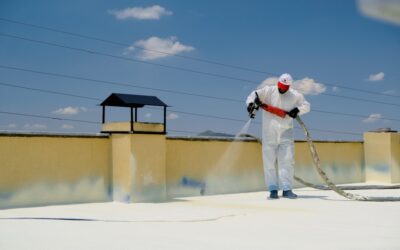
Uncured isocyanates are a known respiratory and skin sensitizer. That is why professional installers wear supplied-air or appropriate respirators, full-body coverings, and eye protection, and why occupants are asked to leave the home during installation and for the manufacturer’s specified re-entry period. Once properly cured, spray foam is generally considered inert, but improperly mixed foam may continue to off-gas.
If you notice lingering odors or new symptoms after installation, leave the area, ventilate, and contact the installer promptly in writing. The US Environmental Protection Agency provides general guidance on spray foam chemicals and safety, and your state health department or an indoor air quality professional can advise on testing. Do not attempt to sand, cut, or remove large sections of problem foam yourself. Removal creates dust and exposes fresh foam; it should be handled by a qualified remediation contractor with proper protective equipment, containment, and ventilation. For any electrical work near foam, keep in mind that foam must not bury recessed lights that are not rated for insulation contact, and a licensed electrician should confirm the fixtures are correct.
Resale and Mortgage Issues
Some buyers and lenders have become cautious about homes with spray foam in the attic, particularly roof-deck applications. Common concerns include the inability of surveyors to inspect roof timbers, questions about moisture, and uncertainty about installation quality. The issue has been more prominent in some markets than others, and lending standards differ, so do not assume it will or will not affect your sale.
To protect value, keep records: the installer’s name and certification, the product’s technical data and evaluation report, the job’s thickness and area, photos before and after, and any moisture readings. A clean paper trail reassures inspectors far more than a blanket assurance that the foam is fine.
How to Prevent Problems Before Installation
Prevention is far cheaper than removal. Before signing a contract:
- Vet the installer. Ask about training and certification through industry programs or the foam manufacturer, years of experience, insurance, and references for similar jobs.
- Request product documentation. Get the product name, technical data sheet, safety data sheet, and code evaluation report.
- Confirm the design. Ask how the assembly meets code for your climate zone, whether an ignition or thermal barrier is required, and how the attic will be conditioned if unvented.
- Fix the roof first. Repair any leaks and address rotten decking before foam covers it.
- Ask about conditions. A good crew checks substrate moisture and temperature and records the rig settings.
- Plan the re-occupancy period. Arrange to be out of the home as recommended, and ensure ventilation during and after.
- Get the warranty in writing. Clarify what it covers, including shrinkage, odor, and workmanship.
Fixing Problems After Installation
The remedy depends on the defect. Small voids and minor pull-away can often be addressed by the original installer with additional foam or sealant. Localized off-ratio areas may be cut out and resprayed by a professional. Persistent odor from widespread improperly cured foam can require full removal, which is labor-intensive and costly because the foam bonds tightly to surfaces. Removal costs vary enormously by area and access, and it is not unusual for remediation to cost more than the original installation.
Document everything: dates, photos, symptoms, and all communication with the installer. If the installer is unresponsive, contact the foam manufacturer, since they may investigate installations of their product. For health concerns, consult your physician and an indoor air quality professional. For disputes, your state contractor licensing board or consumer protection office can explain options. If you suspect structural moisture damage behind foam, bring in a licensed contractor or home inspector with a moisture meter and thermal camera before deciding on a course of action.
Is Spray Foam Still Worth It?
For many homes, yes. Spray foam can dramatically reduce air leakage, improve comfort, and lower energy bills, especially in rim joists, cathedral ceilings, and unvented attics. The key is recognizing that most spray foam insulation problems come from installation errors, not the concept. Choose an experienced, certified installer, insist on documentation, repair roof issues beforehand, and follow re-occupancy guidance. If a project already has issues, act early, keep records, and bring in qualified professionals rather than trying to scrape out foam yourself.
Spray Foam Problems FAQ
How long should spray foam smell after installation?
A noticeable odor is common during and shortly after installation. Manufacturers specify re-occupancy times, often around a day or more. A smell that persists for weeks may indicate improperly cured foam and should be reported to the installer.
Can spray foam cause mold?
Foam itself is not a food source for mold, but it can hide leaks and trap moisture against wood framing, where mold and rot can develop.
Why is my spray foam pulling away from the studs?
Shrinkage is usually caused by installation conditions, such as spraying too thick, cold or damp surfaces, or incorrect chemical temperatures or ratios.
Can I remove spray foam insulation myself?
It is not recommended. Removal creates dust and can expose fresh material. Hire a qualified remediation contractor with proper protective equipment.
Does spray foam affect selling a house?
It can in some markets, particularly roof-deck applications. Keeping installation records and documentation helps buyers, lenders, and inspectors evaluate it.