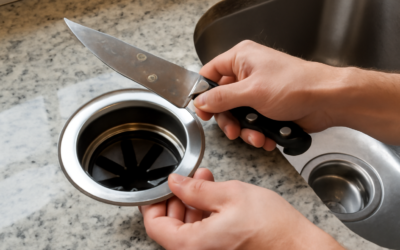
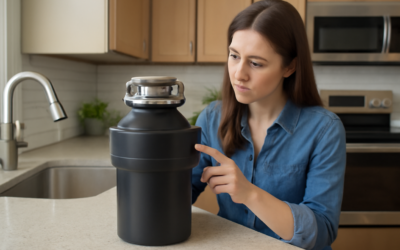
Not all disposals are built the same, and the difference usually comes down to what happens inside the grinding chamber. A stainless steel garbage disposal uses corrosion-resistant components that shrug off the rust, wear, and dulling that shortens the life of cheaper galvanized units. If you have ever had a disposal jam, smell, or die after a few years, upgrading to a quality stainless model is the fix. Here is how to choose one, size it correctly, and understand why stainless is worth the extra money.
Why Stainless Steel Matters Inside a Disposal
The grinding chamber, impellers, and shredder ring take constant abuse from food, water, and the acids in citrus and coffee grounds. Cheaper disposals use galvanized steel that corrodes over time, leading to rust, reduced grinding power, and eventual failure.
Stainless steel components resist that corrosion, keeping the cutting surfaces sharper and the chamber cleaner for far longer. That translates directly into fewer jams, less odor, and a unit that lasts 10 to 12 years instead of 4 or 5. It is the single biggest predictor of disposal longevity.
Understanding Horsepower
Motor power determines what your disposal can handle without jamming. Bigger households and heavier cooking call for more horsepower.
- 1/3 HP: budget units for light use and small households; jam easily on tough scraps
- 1/2 HP: a solid choice for small to average families with normal cooking
- 3/4 HP: the sweet spot for most homes, handling tougher waste smoothly
- 1 HP and up: for large families and frequent cooking, grinding almost anything without clogging
A 3/4 HP or 1 HP stainless model with a stainless chamber is the setup that rarely jams and handles years of daily use. The extra power also grinds food finer, which means fewer drain clogs downstream.
Continuous Feed vs. Batch Feed
Disposals come in two operating styles, and the right one depends on how you cook and whether safety around kids is a concern.
- Continuous feed: runs with a wall switch while you scrape food in; the most common and convenient type
- Batch feed: only runs when a special stopper lid is in place, adding a safety layer but working more slowly
Continuous feed suits most households for its speed and ease. Batch feed makes sense in homes with young children where the extra safety of a cover-activated switch is worth the slower workflow.
Sound Insulation: A Real Difference
Anyone who has flinched at a disposal roaring to life knows noise matters. Better stainless models add sound-dampening insulation around the motor and chamber, and the improvement is dramatic.
Premium units advertise features like anti-vibration mounts and insulated grinding chambers that cut the noise to a quiet hum. If a peaceful kitchen matters to you, prioritize a model marketed as quiet or sound-sealed. The difference between a bargain unit and an insulated one is night and day at the sink.
Multi-Stage Grinding
Higher-end disposals use two or even three grinding stages instead of one. Each stage breaks food down further before it reaches the drain, producing a slurry fine enough to flow away without clogging pipes.
Multi-stage grinding is especially worthwhile if your home has older or narrow drain lines, or if you frequently grind fibrous or dense food waste. It is one of the features that justifies stepping up from an entry-level unit to a mid or premium model.
Installation Considerations
Replacing a disposal is a manageable DIY job, especially if the new unit uses the same mounting system as the old one. Many brands share a compatible mount, letting you twist off the old unit and twist on the new.
- Cut power to the disposal at the breaker before starting
- Disconnect the drain and dishwasher hose
- Twist off the old unit from its mounting ring
- Wire the new disposal, connecting to the existing electrical
- Mount the new unit and reconnect the drain and dishwasher line
- Knock out the dishwasher plug if connecting a dishwasher, a step people commonly forget
If your old unit was hardwired and the new one uses a plug, or vice versa, you may need to add a power cord kit, sold separately for a few dollars.
Keeping It Running Clean
Even the best stainless disposal benefits from good habits. A little care prevents odors and clogs.
- Always run cold water while grinding and for 15 seconds after
- Feed waste in gradually rather than all at once
- Avoid grease, bones, fruit pits, and fibrous foods like celery
- Grind ice cubes and a little rock salt monthly to clean the chamber
- Freshen with citrus peels or a disposal cleaner to control odor
Septic Systems and Special Models
If your home runs on a septic system rather than municipal sewer, you have an extra consideration. Standard disposals send a lot of solids into the tank, which can accelerate the need for pumping. Several manufacturers make septic-safe or septic-assist disposals that inject an enzyme treatment with each use to help break down the food waste biologically.
These septic models still benefit from stainless components for the same durability reasons, and many households with septic simply choose a strong stainless unit while being more selective about what they grind. Whatever your setup, check the disposal’s dishwasher connection and its amperage draw against your circuit, since a 1 HP unit pulls more current than a 1/3 HP model and needs a properly rated circuit. Confirming these details before you buy prevents an unwelcome surprise on installation day.
Is It Worth the Extra Cost?
A quality stainless steel garbage disposal runs $100 to $300 versus $60 to $90 for a basic galvanized unit, but it lasts roughly twice as long, jams less, smells better, and runs quieter. Spread over a decade of daily use, the premium is easy to justify. Choose a 3/4 HP or 1 HP model with a stainless chamber and sound insulation, install it carefully, and you will have a disposal that handles whatever your kitchen throws at it for years to come.