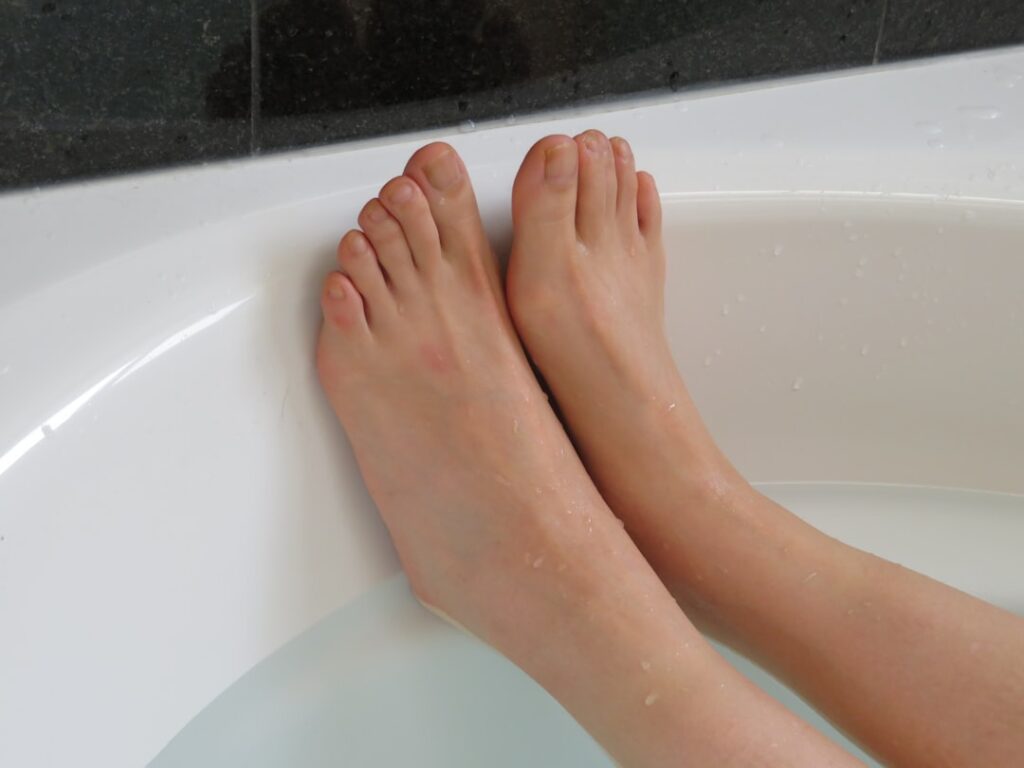
The most common bathtub in American homes is exactly 5 feet long, which is why so many bathroom alcoves measure 60 inches wall to wall. Knowing the standard bathtub size in feet matters the moment you plan a remodel, because the tub dictates the plumbing rough-in, the alcove framing, and whether your new fixture will even fit through the door. Order the wrong size and you are looking at reframing walls or moving drains, both expensive surprises.
Part of our Bathroom Remodeling & Flooring guide — explore the full guide →
Bathtubs come in more shapes and dimensions than most people expect, from the ubiquitous 5-foot alcove tub to deep soaking tubs and sprawling freestanding models. This guide breaks down the standard sizes in feet for every common type so you can plan with confidence.
The Standard Alcove Bathtub
The alcove tub is the workhorse of American bathrooms, the three-wall unit that doubles as a shower. Its standard dimensions are about 5 feet long by 2.5 feet wide, or 60 inches by 30 inches, with a depth of 14 to 16 inches of water. This is the size most bathrooms are built around, and a 5-foot tub fits a 60-inch alcove precisely.
Widths do vary. While 30 inches is standard, 32-inch and 34-inch alcove tubs exist for a roomier bath. Lengths are usually fixed at 60 inches, though you occasionally find 54-inch and 66-inch versions. If you are replacing an existing alcove tub, measure your opening carefully; matching the standard 60-by-30 footprint means a straightforward swap without altering the framing.
Standard Sizes by Tub Type
Beyond the basic alcove tub, each style has its own typical footprint. Here are the common dimensions in feet.
- Alcove tub: About 5 ft long by 2.5 ft wide (60 by 30 inches). The most common and shower-compatible.
- Freestanding tub: Typically 5 to 6 ft long by 2.5 to 3 ft wide. A statement piece that needs floor space on all sides.
- Drop-in tub: Usually 5 to 6 ft long, set into a built deck; size depends on the surround.
- Corner tub: Around 5 ft by 5 ft, fitting into a corner and often larger and deeper.
- Soaking tub: 5 to 6 ft long but deeper, 18 to 24 inches, for full-body immersion.
- Walk-in tub: Roughly 2.5 to 3 ft long by 2.5 to 3 ft wide but very tall, designed for accessibility.
Freestanding and Soaking Tubs
Freestanding tubs have become a centerpiece of modern bathrooms, and they generally run larger than alcove models. Most measure 5 to 6 feet long and 2.5 to 3 feet wide, and because they stand alone, you need clearance around all sides, ideally at least 6 inches, and often much more for a comfortable look and cleaning access. Factor in that a full freestanding tub can be heavy, so the floor may need reinforcement.
Soaking tubs prioritize depth over length. A true soaking tub holds water 18 to 24 inches deep, versus the 14 to 16 inches of a standard alcove tub, so you can immerse fully. They often share the 5-to-6-foot length of other tubs but require more water and a larger water heater to fill comfortably. If deep, relaxing baths are your goal, depth matters more than footprint.
Corner and Specialty Tubs
Corner tubs tuck a large bathing area into a triangular footprint, typically around 5 feet by 5 feet along the two walls. They are deeper and roomier than a standard alcove tub, sometimes accommodating two people, and they suit larger bathrooms where the corner would otherwise go unused. The tradeoff is that they consume significant floor area and use a lot of water.
Walk-in tubs serve accessibility needs, with a watertight door that lets a bather step in without climbing over a high wall. They are shorter and much taller than standard tubs, often 2.5 to 3 feet long but with high walls and a built-in seat. Their compact footprint fits standard alcoves, but their height and door mechanism make them a specialized purchase for aging-in-place remodels.
Small-Space and Standard Compact Tubs
Not every bathroom has room for a 5-foot tub, and manufacturers make shorter models for tight spaces. Compact tubs run 4 to 4.5 feet long, or 48 to 54 inches, ideal for small bathrooms, powder-room conversions, and older homes with cramped layouts. Japanese-style soaking tubs take this further, offering a short but very deep footprint, sometimes only 4 feet long but tall enough to sit and soak up to the shoulders.
When space is truly limited, a shorter tub preserves the option to bathe where a full-size unit would not fit. Just confirm the drain location and rough-in match your plumbing, since compact tubs sometimes place the drain differently than a standard 60-inch model.
Measuring for a New Tub
Before buying any tub, measure carefully to avoid costly mistakes. Record the length, width, and height of the available space, and check the plumbing rough-in, meaning the location of the drain relative to the wall. Standard alcove tubs place the drain at one end, and you must match your new tub’s drain position to the existing plumbing or plan to move it.
- Measure the alcove or floor space in length, width, and height.
- Note whether the drain is on the left or right end (as you face the tub).
- Confirm the tub will fit through doorways and hallways during delivery.
- Check floor load capacity for heavy soaking or freestanding tubs when full of water and a bather.
Choosing the Right Size for Your Bathroom
Match the tub to both your space and your bathing habits. For a standard bathroom and a tub-shower combo, the classic 5-foot by 2.5-foot alcove tub is the practical, easy-to-replace choice. For a spa-like retreat with room to spare, a freestanding or soaking tub 5 to 6 feet long delivers luxury and depth. For small bathrooms, a compact 4-to-4.5-foot tub or a deep Japanese-style soaker preserves bathing in limited space.
Knowing the standard bathtub size in feet, roughly 5 feet long by 2.5 feet wide for the everyday alcove model, gives you the baseline to plan around. Measure your space, match the drain, and confirm delivery access, and your new tub will slide into place without the reframing and plumbing surprises that catch unprepared remodelers.