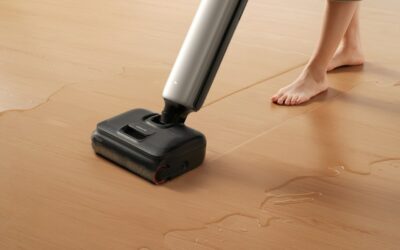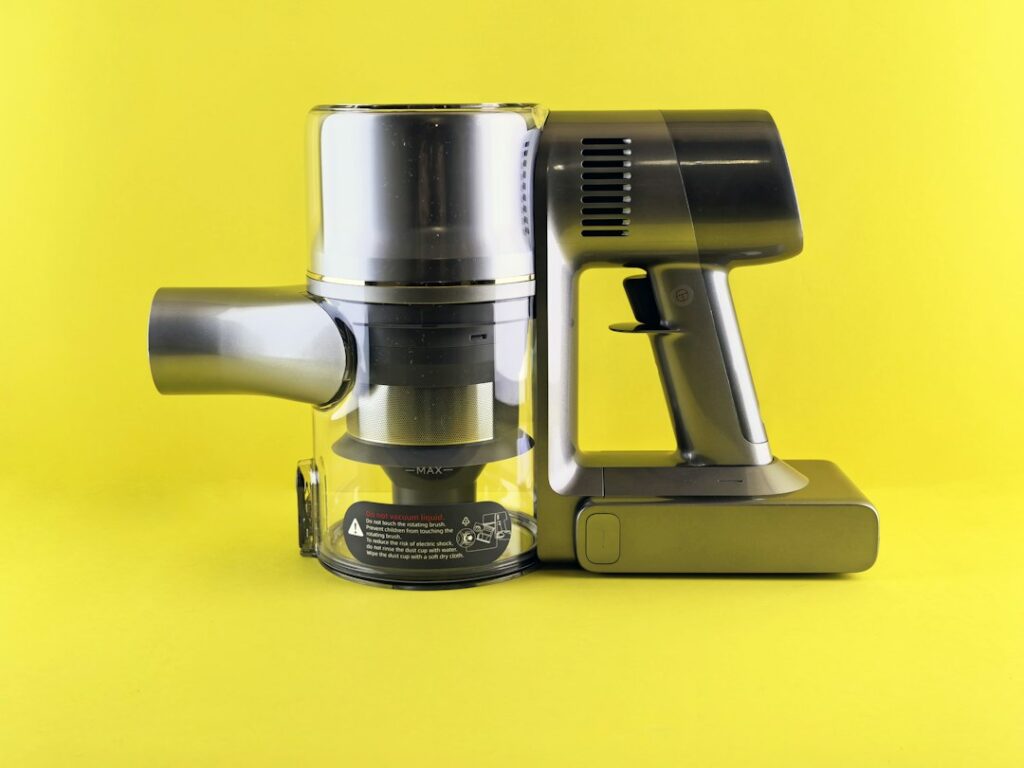
A traditional vacuum picks up dry debris. A steam mop sanitizes with hot vapor. A steamer vacuum does both in a single pass, which saves real time in a family kitchen or a house with pets and kids tracking grit across the floor all day. These combo machines have gotten dramatically better in the last three years, but they are not right for every floor type, and the cheaper models underperform in ways that matter. Here is how to tell which steam-and-vac combos earn their shelf space and which are marketing fluff.
How a Steam Vacuum Actually Works
The machine pulls up loose dirt with a brush roll and suction like a standard upright, then releases pressurized steam (typically 212°F to 230°F) through a microfiber pad or jet nozzle that loosens stuck-on grime. A second suction pass pulls the dirty water back into a separate dirty-tank reservoir. Clean and dirty water never mix, which is why a quality combo machine actually sanitizes rather than just spreading a thinner layer of the same mess.
Heat-up time ranges from 15 seconds on a Bissell CrossWave HydroSteam to nearly 2 minutes on older Shark units. Tank capacity matters for practical use: anything under 28 oz will need refilling before you finish a 400 square foot kitchen.
Floors That Handle Steam Well
Sealed ceramic and porcelain tile are the ideal surface for one of these combo machines. The heat dissolves grease on grout lines that a cold mop just pushes around. Sealed luxury vinyl plank from brands like Shaw Floorte and COREtec also tolerates brief steam contact, though you should never park the head on one spot or reduce your pace.
Wear-layer quality matters. LVP with a 12-mil or 20-mil wear layer handles weekly steam cleaning. Budget 4-mil vinyl will delaminate at the edges within a year of steam exposure. Check your manufacturer’s warranty language before committing. Some brands void warranty coverage entirely if a steam mop is used.
Floors to Avoid With Steam
Do not use steam on unsealed hardwood, waxed hardwood, engineered hardwood with a thin veneer, laminate, bamboo, cork, or unsealed natural stone. Steam forces moisture into seams and under finishes where it causes cupping, crowning, delamination, and mold. Marble and travertine etch from prolonged hot water contact even when sealed.
- Hardwood (any type): moisture damage and finish failure
- Laminate: swelling at the seams, often irreversible within a month
- Cork: expansion and surface pitting
- Unsealed natural stone: etching and dulling
- Painted concrete: peeling paint from steam penetration
- Carpet (most models): even carpet-rated units leave moisture that invites mildew
Top Models Worth the Money
Three machines consistently rank at the top of independent cleaning tests. The Bissell CrossWave HydroSteam Pet retails around $399 and is the best all-around pick for a household with tile and LVP. A 28-oz clean-water tank, cordless version available for $449, and a self-cleaning cycle that flushes the brush roll automatically.
The Shark HydroVac Cordless Pro at $349 is lighter at 7.5 pounds and maneuvers better in tight kitchens, but the battery runs only 25 minutes on high steam. For light commercial use, the Tineco Floor One S7 Steam at $649 has the best edge-cleaning and handles grout lines better than anything else under $1,000. Whichever you buy, run it once a week, not daily. Over-steaming flooring seams shortens the life of even resistant floors.
Cleaning Solution and Tank Maintenance
Use distilled water in the steam reservoir, not tap water. Tap water contains calcium and magnesium that scale the heating element and eventually clog the jets. A gallon of distilled water costs $1.50 at any grocery store and prevents $150 in descaling repairs down the line.
Manufacturer-branded cleaning solutions cost $10 to $15 per bottle and are worth using instead of improvising. They are pH-balanced for the heating coils and low-foaming so they do not bubble back into the motor. After every use, dump the dirty water tank immediately, rinse it, and let both tanks air dry upside down overnight. Leave dirty water sitting in the tank and within a week you have a bacterial smell that never fully washes out.
What a Steam-Vac Will Not Do
A steamer vacuum is not a carpet cleaner. Even models advertised for low-pile carpet just put moisture and heat into synthetic fibers without enough extraction to pull it back out. Save carpet work for a dedicated Bissell ProHeat or a rental Rug Doctor. The combo machines also struggle with deep pet-hair tangles because the brush rolls spin wet, and wet hair wraps twice as tightly as dry hair.
Large cereal spills, broken glass, and anything sticky like syrup are better tackled with a regular upright first, then followed up by the steam-vac for the sticky residue. Running a wet brush roll through dry crumbs just turns them into a paste that smears across the floor.
Is It Worth It for Your House
If more than 40 percent of your home is hard surface and you have kids, pets, or cook regularly at home, a combo steam-and-vac unit saves real time and replaces three separate tools: dry vacuum, wet mop, and sanitizer. In a mostly-carpeted home with only a small tile entry, a standard upright plus a dedicated steam mop is cheaper and more practical. Match the tool to the floor mix and the machine pays for itself inside a year on cleaning-product savings alone.