Steam cleaning works because heat at 212°F kills 99.9% of bacteria, viruses, and dust mites while dissolving grease and grime that resist conventional cleaning products. The catch is that hand steamers are specifically designed for targeted cleaning, not whole-room sanitization. Hand steamer for cleaning applications include grout lines, oven interiors, bathroom fixtures, upholstery spot treatment, and dozens of small jobs where a full steam mop is overkill. Here is what genuinely works and which features matter.
Why Steam Cleans Differently Than Sprays
Conventional cleaning sprays rely on chemical surfactants and acids to dissolve soils, which then need wiping away. The chemicals can damage some surfaces, leave residues, and trigger respiratory sensitivities in people and pets. Steam works through three different mechanisms.
First, the high temperature melts grease and softens dried-on residues that scrubbing alone cannot remove. Second, the pressurized water vapor penetrates porous surfaces like grout and natural stone in ways liquid sprays cannot. Third, the thermal energy actually kills microorganisms rather than just disrupting them. The combined effect cleans deeper with only water and microfiber.
Top Hand Steamer Models
Five models consistently perform well across home cleaning tasks:
- Bissell Steam Shot Deluxe: $50 to $60, the budget standard with multiple attachments
- McCulloch MC1230: $80 to $100, commercial-grade build quality for the price
- Dupray Hill Injection: $200 to $250, premium continuous-flow operation
- Wagner On-Demand Steam Cleaner: $80 to $100, reliable mid-tier choice
- PurSteam Heavy Duty: $40 to $60, entry-level workhorse
The Bissell Steam Shot Deluxe represents the sweet spot for most home users. It heats in about 30 seconds, provides 8 to 10 minutes of continuous steam per tank, and comes with nine attachments that handle most home cleaning scenarios. Above $150, you are paying for commercial-grade durability and larger tank capacity rather than better cleaning performance.
Surface Compatibility and Limits
Hand steamers work safely on most sealed surfaces but can damage others. Understand what your steamer can and cannot touch:
- Safe: Sealed tile and grout, glass, mirrors, sealed stone, stainless steel, enameled fixtures, painted walls (water-based paint), most upholstery
- Test first: Hardwood floors with quality polyurethane finish (brief application only), engineered hardwood, vinyl flooring
- Avoid: Unsealed wood, unsealed stone, wallpaper, silk, suede, painted surfaces with oil-based paint, laminate flooring
The danger with sensitive surfaces is moisture penetration rather than heat damage. Brief, intermittent steam bursts work on more surfaces than sustained streaming would suggest. Always test on a hidden area first when uncertain.
Best Use Cases Where Steam Excels
Some cleaning jobs are dramatically better with steam than with conventional products:
Grout Lines
Bathroom and kitchen grout collects soap residue, mildew, and embedded dirt that bleach treatments only partially address. The thin grout brush attachment on most hand steamers cleans grout to original color in minutes per linear foot. Work slowly along the joints, wiping away released grime with a microfiber cloth as you go.
Oven Interiors
Skip the toxic oven cleaner sprays entirely. A hand steamer dissolves baked-on grease through pure thermal action. Direct steam at the affected areas, wait 30 seconds, then wipe with a microfiber cloth. For severely caked-on grease, repeat the process two or three times. Total time for a moderately dirty oven runs 20 to 30 minutes.
Bathroom Faucets and Fixtures
The detail brush attachment cleans around faucet bases, drain assemblies, and shower head perforations where conventional cleaning cannot reach. Hard water mineral deposits release after 30 to 60 seconds of focused steam exposure.
Window Tracks and Sliding Door Channels
The thin nozzle attachment reaches into accumulated debris in window tracks that vacuums cannot remove. The combination of steam and microfiber wiping removes years of buildup in a single session.
Upholstery and Fabric Applications
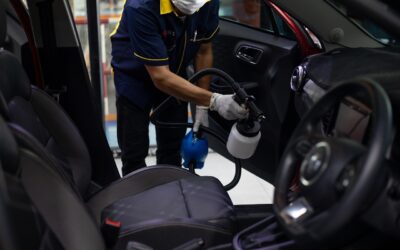
Hand steamers refresh upholstery effectively when used correctly. The key is brief, gentle steam application followed by immediate microfiber blotting. Hold the steamer 4 to 6 inches from the fabric and use short bursts rather than sustained contact.
Most modern upholstery fabrics with care tags showing W (water-based cleaning allowed) or WS (water or solvent) tolerate hand steaming well. Avoid steaming S-rated fabrics (solvent only) entirely; the moisture causes irreversible damage. Always test a hidden seam area before treating visible surfaces.
Pet Stain and Odor Treatment
Hand steamers excel at the secondary treatment of pet accidents after initial cleanup with enzymatic cleaners. The steam penetrates carpet fibers and pad below to break down remaining odor-causing compounds. Apply enzymatic cleaner first per the product instructions, then steam treat after the initial cleaning has dried.
For carpet, use the curved nozzle and work in 6 by 6 inch sections. Steam for 10 to 15 seconds per section, then blot with white microfiber. Repeat as needed. The combination of enzyme treatment and steam handles most accidents that would otherwise require professional carpet cleaning.
Water Quality Matters
Tap water in hard-water regions destroys hand steamers within months through internal mineral buildup. The boiler clogs, the nozzle blocks, and the unit eventually fails. Use distilled water exclusively for any steam cleaning equipment. Distilled water costs $1 to $2 per gallon and extends steamer life by years.
If you live in a soft-water region, tap water generally works but still benefits from periodic descaling with white vinegar. Fill the tank with 50/50 vinegar and water, run the steamer outside or over a sink for two full tanks of operation, then flush with clean water. Quarterly descaling keeps performance consistent.
Safety Considerations
Steam at 212°F causes severe burns instantly. Several practices reduce risk:
- Never aim the nozzle at yourself, children, or pets
- Wait for the steamer to fully cool before refilling or storing
- Use protective eyewear when steaming overhead surfaces
- Wear long sleeves when working in tight spaces
- Keep children and pets out of the room during steaming
- Never leave a heated steamer unattended
The instant burns from accidental steam exposure heal slower than dry burns because the moisture penetrates the skin layers. Treat the equipment with appropriate respect.
Storage and Maintenance
Empty the water tank completely after each use. Sitting water grows bacteria and corrodes internal components. Wipe down the exterior with a dry microfiber cloth. Store with attachments separated to allow complete drying.
Inspect the nozzle and attachments monthly for mineral buildup or clogs. The detail brushes wear faster than the steamer body itself; replacement brushes from the manufacturer run $5 to $20 per set and restore performance immediately. Treated this way, a quality hand steamer delivers 5 to 8 years of reliable home cleaning service.