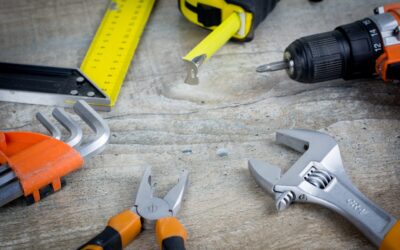
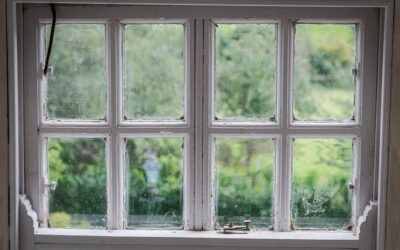
A window that refuses to budge on a humid August afternoon is rarely a window problem. Nine times out of ten, sticking windows trace back to paint buildup, swollen wood, or a sash channel that has not been cleaned in fifteen years. The fix usually costs less than $20 and takes under an hour, provided you diagnose the cause before reaching for the pry bar.
Part of our Windows & Doors guide — explore the full guide →
Forcing a stuck sash with brute strength is the fastest way to crack glass or break a balance spring. Slow down, identify the binding point, and the window almost always cooperates.
Why Windows Stick in the First Place
Wood double-hungs swell when relative humidity climbs past 60 percent. A sash measuring 32 inches wide can gain a sixteenth of an inch across the grain after a week of summer rain, which is enough to wedge it tight against the jamb. Vinyl and aluminum windows expand too, though far less, around 0.0001 inches per degree Fahrenheit per foot of frame.
Paint is the second usual suspect. Painters who roll latex over a closed sash without cutting it free leave behind a thin glue line. The bond breaks only when you score it with a utility knife. A third cause hides in the tracks themselves: decades of dust, pet hair, and dried lubricant turn the channel into sandpaper.
Diagnosing the Binding Point
Stand inside and look at the sash from the side. Push gently upward on a double-hung lower sash while watching where it stops. If both stiles bind at the same height, suspect paint or a swollen rail. If only one side catches, the stop molding on that side is likely warped or over-tightened. For casement units, open the crank slowly and listen. A grinding noise points to the operator gearbox, while a clean stop usually means hinge corrosion.
Slide a business card around the perimeter of a closed sash. Spots where the card refuses to enter mark the contact points. Mark them with painter’s tape and you have a roadmap before you start cutting or sanding.
Breaking a Paint Seal
Score the paint line with a utility knife held at a 45-degree angle along the joint between sash and stop. A fresh Stanley 99E blade ($3 at Home Depot) handles this cleanly without tearing into the wood. Run the blade in one continuous pass on the interior, then again on the exterior if the window has been painted shut from both sides.
Insert a stiff 5-in-1 painter’s tool, like the Hyde 17030, into the cut and tap the handle with a rubber mallet. Work around the perimeter rather than prying at one spot. If the sash still resists, score deeper. Painted-shut casements often need scoring along the hinge mortise as well, a step most homeowners miss.
Cleaning and Lubricating Tracks
Vacuum the channel with a crevice tool, then wipe with a cloth dampened in denatured alcohol to dissolve old wax buildup. Never use WD-40 on window tracks. It attracts dust and gums up within months. Instead, reach for a dry silicone spray such as 3-IN-ONE Professional Silicone Spray (about $7 a can) or Bostik GlideCote, which leaves a film about 0.0005 inches thick that does not collect debris.
For wood-on-wood contact, a paraffin block or a candle stub rubbed along the high spots works as well as anything sold in a hardware store. Operate the sash a dozen times to distribute the lubricant evenly.
Dealing With Swollen Wood
If humidity is the culprit, run a dehumidifier in the room and wait 48 hours before doing anything irreversible. A Frigidaire FFAD5033W1 ($249) pulls 50 pints a day and will shrink swollen sashes back to working dimensions in most climates. Many homeowners sand wood that would have freed itself on its own once the air dried out.
When the wood remains too thick after drying, mark the binding spot with chalk, close the window, then open it. The chalk transfers to the high point. Remove only that area with 120-grit sandpaper wrapped around a sanding block. Take off 1/32 inch at a time and reseal bare wood with two coats of Minwax Helmsman Spar Urethane to prevent reabsorption.
Replacing Worn Balances and Hardware
Older double-hungs use spiral balances or block-and-tackle balances that wear out after 15 to 20 years. A worn balance allows the sash to drop or jam at odd heights. Caldwell and Series 700 replacement balances run $12 to $25 each through Strybuc Industries, and replacement takes about 20 minutes per window. Match the existing length and load rating, usually stamped on the metal tube.
Casement operators from Truth Hardware or Roto cost $35 to $80 and swap out with four screws once the sash is removed. Lubricate the gear teeth with white lithium grease, not silicone, since silicone slings off under load.
When to Call a Pro
Call a window contractor when the frame itself is racked, when glazing seals have failed (fogged glass), or when more than three windows in the same wall stick simultaneously. Racking usually signals foundation movement or a header that has sagged, problems that no amount of lubricant will solve. Expect to pay $75 to $150 per hour for a service call, or roughly $400 to $900 to replace a standard 36-by-60-inch double-hung with a Pella 250 Series or Andersen 100 Series unit installed.
For historic homes governed by local preservation codes, restoration specialists charge $300 to $600 per window for sash cord replacement and weatherstripping, far less than full replacement and often required by ordinance.
Preventing the Problem From Coming Back
Wax every track twice a year, ideally in April and October. Keep interior humidity between 30 and 50 percent during winter and below 55 percent in summer using a hygrometer like the AcuRite 00613 ($12). Repaint sashes only after masking the stop and parting bead, and operate each window the same day the paint dries to break any incipient seal. Five minutes of seasonal maintenance prevents the kind of stubborn sticking windows that turn into a Saturday project.