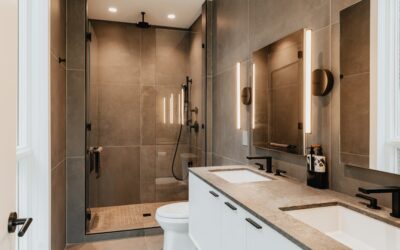
If you are remodeling a bathroom and want a shower base that looks upscale and lasts for decades, a stone shower pan deserves a serious look. Unlike stamped acrylic or fiberglass bases, a stone pan brings genuine mineral texture, weight, and a spa-like feel underfoot. But “stone” covers a wide range of products, from solid-surface composites to true natural slabs, and the price, maintenance, and installation vary dramatically between them. This guide walks through the real options, honest cost ranges, and the practical details you need before you buy.
Part of our Bathroom Remodeling & Flooring guide — explore the full guide →
- What Counts as a Stone Shower Pan
- Why Homeowners Choose Stone Over Acrylic
- Stone Shower Pan Cost Ranges
- Choosing the Right Size and Drain Location
- Installation: DIY or Pro?
- Common Mistakes to Avoid
- Maintenance and Sealing
- Matching the Pan to Your Shower Walls
- Comparing Stone Pans to a Fully Tiled Base
- Accessibility and Curbless Options
- Is a Stone Shower Pan Worth It?
What Counts as a Stone Shower Pan
The term is used loosely at big-box stores and online, so it helps to sort products into three buckets. Each behaves differently in a wet, daily-use bathroom.
- Cultured or engineered stone: Crushed natural stone bound with resin and molded into a one-piece pan. Brands like Swanstone and Onyx Collection fall here. These look stone-like, resist staining, and never need sealing.
- Solid natural stone: A pan carved or assembled from real marble, granite, travertine, or river-rock. This is the premium option, heavy and porous, and it genuinely requires periodic sealing.
- Pebble or river-rock pans: Small natural stones set on a mesh backing over a waterproof base. These give a reflexology feel but have many grout joints to maintain.
Why Homeowners Choose Stone Over Acrylic
Acrylic and fiberglass pans are cheaper and lighter, but they flex, scratch, and often show a hollow, plasticky feel. A stone or engineered-stone pan sits solid on the subfloor and transmits far less “oil-can” flex when you step on it. The surfaces resist heat, hold their color longer, and read as a genuine upgrade to buyers if you sell. A cultured-stone pan also arrives as a single molded piece, which means one fewer seam for water to sneak through compared to a tiled pan built on the job site.
Stone Shower Pan Cost Ranges
Prices swing widely by material and size. For a standard 60-by-32-inch base, expect these ballpark figures for the pan alone, before installation:
- Engineered/cultured stone: $400 to $1,200. Custom colors and larger sizes push the top end.
- Solid natural stone (marble, granite): $1,200 to $3,500, and custom-cut slabs can run higher.
- Pebble-stone pan kits: $150 to $500 in stone materials, but add a waterproof base and labor.
Professional installation typically adds $400 to $1,500, depending on whether the old base has to be demolished, whether the drain must be relocated, and how much waterproofing the plumber or tile setter rebuilds. Relocating a drain more than a few inches often requires opening the floor and can add $500 or more on its own.
Choosing the Right Size and Drain Location
Before you fall in love with a color, measure the rough opening and confirm the drain position. Most manufactured pans come in standard footprints: 60×32, 48×36, 36×36 for corner units, and 60×36. Drains are located center, left, or right, and offset drains are common in alcove showers. Buy a pan whose drain matches your existing plumbing whenever possible, because moving the drain is the single most expensive surprise in a shower swap. Also verify the threshold height and whether you want a low-profile pan for a near-curbless look or a standard curb that contains water more forgivingly.
Installation: DIY or Pro?
A one-piece engineered pan is the most DIY-friendly. The process involves setting the pan in a bed of mortar or manufacturer-approved thinset so it does not rock, connecting the drain assembly with the supplied gasket, checking that it drains fully with no standing water, and sealing the perimeter before wall panels or tile go up. A careful homeowner with plumbing basics can handle this in a day.
Solid natural stone and pebble pans are harder. Natural slabs are extremely heavy, often 150 pounds or more, and may need two or three people plus reinforced blocking under the subfloor. Pebble pans require a properly sloped, waterproofed mortar bed and meticulous grouting. For those, hiring a tile professional is money well spent, and a mistake in the slope or waterproofing can mean a leak inside the wall that you will not discover until damage is done.
Common Mistakes to Avoid
- Skipping the mortar bed: Setting a pan on bare subfloor leaves voids that crack under weight. Always bed it as the maker specifies.
- Ignoring slope: A pan must drain fully. Standing water means soap scum, mold, and eventually staining on natural stone.
- Forgetting to seal natural stone: Untreated marble or travertine absorbs water and soap, leading to etching and dark spots within months.
- Using the wrong caulk: Use a mildew-resistant silicone at the wall-to-pan joint, not grout, which cracks with movement.
- Mismatched drain: Buying a center-drain pan for an offset rough-in creates a costly plumbing change.
Maintenance and Sealing
Engineered and cultured stone are nearly maintenance-free. Wipe them with a non-abrasive cleaner, avoid harsh acids, and a soft cloth keeps them glossy. Natural stone is a different commitment. Marble and travertine should be sealed with a penetrating stone sealer at installation and resealed every six to twelve months in a shower, since constant moisture wears the sealer faster than a dry countertop. Avoid vinegar, bleach-based cleaners, and anything acidic on natural stone, because they etch the surface permanently. For pebble pans, a color-enhancing grout sealer keeps the joints from graying and helps repel mildew.
Matching the Pan to Your Shower Walls
A stone pan sets the tone for the whole enclosure. Pair an engineered-stone base with matching wall panels from the same line for a seamless, grout-free look that cleans in seconds, an increasingly popular choice for busy households. If you want a fully tiled surround, a neutral engineered pan in white, biscuit, or gray blends with almost any tile. With natural stone, coordinate the vein and tone of the pan to your tile so the floor does not clash, and remember that a busy pebble floor pairs best with calmer, larger wall tile so the space does not feel cluttered.
Comparing Stone Pans to a Fully Tiled Base
Many homeowners weigh a manufactured stone pan against building a custom tiled shower floor from scratch. A site-built tiled base uses a sloped mortar bed, a waterproof membrane, and small mosaic tiles cut to follow the slope to the drain. It offers unlimited design freedom and can integrate seamlessly with a fully tiled surround, but it is labor-intensive, relies entirely on the installer’s waterproofing skill, and has dozens of grout joints that must be sealed and cleaned. A one-piece stone or engineered pan, by contrast, arrives pre-sloped and watertight from the factory, dramatically reducing the chance of a hidden leak. For most homeowners, the manufactured pan is the safer, faster, and more predictable choice, while the custom tiled base makes sense only when you want a specific look a stock pan cannot deliver, such as a curbless entry or an unusual footprint.
Accessibility and Curbless Options
If aging in place or wheelchair access matters, low-profile and curbless stone pans are worth exploring. A low-threshold pan reduces the step-over height, lowering the trip hazard, while a true curbless or barrier-free pan sits flush with the bathroom floor for roll-in access. These installations usually require recessing the pan into the subfloor so the drain sits below the surrounding floor level, which means more framing work and careful waterproofing at the transition. Linear drains, which run along one edge rather than a center point, pair well with curbless stone floors because they allow a single-direction slope that is easier to build and looks clean. Budget more for these installs, since the subfloor modification and extended waterproofing add labor, but the payoff is a safer, more universally usable shower that also reads as thoroughly modern.
Is a Stone Shower Pan Worth It?
For most homeowners, an engineered or cultured stone pan hits the sweet spot: it delivers the solid feel and refined look of stone with almost none of the sealing hassle, at a price that stays reasonable. Solid natural stone is a luxury statement for those willing to maintain it, and pebble pans offer unique texture for people who love the underfoot sensation and do not mind extra grout care. Whichever you pick, the pan is the hardest-working surface in the room, so buying quality and installing it correctly pays off every single day. Measure carefully, match your drain, budget for proper waterproofing, and you will end up with a shower base that looks great and performs for twenty years or more.