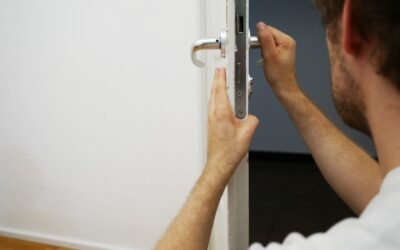
A storm door with a broken or flimsy latch is little more than a screen that flaps in the wind and offers zero security. Upgrading to a solid storm door handle with lock gives you a real second barrier at your entry, letting you open the main door for a breeze while keeping the outer door secured against intruders and curious kids. These handle sets combine a gripping mechanism with a keyed or thumb-turn lock, and choosing the right one comes down to compatibility, security level, and finish. This guide covers the handle types, key features, and step-by-step replacement so you can pick and install the right set.
Part of our Windows & Doors guide — explore the full guide →
- Why a Locking Storm Door Handle Matters
- Types of Storm Door Handles
- Keyed Lock Versus Deadbolt Options
- Sizing and Compatibility
- Choosing a Finish That Lasts
- How to Replace a Storm Door Handle With Lock
- Maintenance Tips
- Common Problems and How to Fix Them
- Security Upgrades Worth Considering
- The Bottom Line
Why a Locking Storm Door Handle Matters
A storm door does more than hold a screen. With a proper locking handle, it adds a layer of security, lets you ventilate the house safely, and protects the more expensive main entry door from weather. On hot days you can leave the front door open behind a locked storm door for airflow while still deterring anyone from walking in. It also acts as a first obstacle that slows down a would-be intruder, and even a modest lock adds meaningful peace of mind for a low cost.
Types of Storm Door Handles
Handle sets come in a few core styles, and knowing them helps you match a replacement to your door:
- Mortise-style handle sets: The most common, featuring a lever or push-button grip on the outside and a thumb latch, often with a keyed cylinder for locking.
- Surface-mount handles: Bolt onto the door surface and are simpler to install, popular on older or basic storm doors.
- Lever handles: Ergonomic and easy to operate, good for accessibility, and available with locking cylinders.
- Pull handles with separate deadbolt: Combine a fixed grip with an independent single-cylinder deadbolt for the highest security.
The style you need is largely dictated by your existing door’s cutouts and bore spacing, so measure before you shop to ensure a drop-in fit.
Keyed Lock Versus Deadbolt Options
Not all locks offer the same protection, and the level you choose depends on how much security you want from the outer door. A basic keyed cylinder in the handle latch lets you lock the door from outside with a key and from inside with a thumb-turn, adequate for casual security and ventilation. For serious protection, look for a handle set that includes a separate deadbolt, which resists forcing far better than a spring latch alone. Many quality storm door handle sets bundle a coordinating deadbolt so both the handle and the deadbolt share a keyed look and finish.
Consider keying the storm door deadbolt to match your main door so you carry one key instead of two. A locksmith or many handle sets can rekey to match, adding real everyday convenience.
Sizing and Compatibility
The single biggest cause of a failed storm door handle purchase is a size mismatch. Before buying, measure carefully:
- Bore spacing: The distance between the handle mounting holes, commonly around 3-3/8 inches or 4 inches on many storm doors. This must match exactly.
- Door thickness: Storm doors are thinner than entry doors, so use a handle rated for storm door thickness, not a standard entry lockset.
- Latch and deadbolt cutouts: Note the existing holes so the new set aligns without drilling.
- Handing: Some sets are reversible, others are handed for left or right swing. Confirm before ordering.
Many manufacturers, such as those making common aluminum storm doors, sell replacement handles designed to match specific bore patterns. Bring your measurements or a photo of the old handle to the store for the best match.
Choosing a Finish That Lasts
Because a storm door handle faces sun, rain, and constant use, finish durability matters as much as looks. Popular finishes include satin nickel, oil-rubbed bronze, brass, black, and white. Match the finish to your main door hardware and light fixtures for a cohesive entry. Look for weather-resistant coatings, since cheap finishes on a sun-baked door can pit, fade, or peel within a couple of years. A quality handle with a durable finish stays attractive and functional far longer, making the small upcharge worthwhile.
How to Replace a Storm Door Handle With Lock
Swapping a storm door handle is a beginner-friendly project that takes about 30 minutes with a screwdriver. Follow this sequence:
- Remove the old handle. Unscrew the interior side, usually two screws, and separate the inside and outside halves. Remove the latch mechanism screws as well.
- Check the fit. Hold the new handle up to confirm the bore holes and latch align. Minor adjustments may be needed with an existing door.
- Install the latch and outside handle. Insert the latch assembly, then position the exterior handle with its cylinder facing correctly.
- Attach the inside handle. Line up the two halves and drive the connecting screws snug but not overtightened, which can bind the mechanism.
- Install the deadbolt if your set includes one, aligning the bolt with the strike plate on the frame.
- Test operation. Confirm the latch engages, the lock turns smoothly with the key and thumb-turn, and the door closes and seals properly.
If the latch does not catch, adjust the strike plate on the door frame slightly until the door closes cleanly and locks without forcing. This small tweak makes all the difference in smooth daily use.
Maintenance Tips
Keep your handle working smoothly with minimal effort. Wipe the finish clean periodically to prevent grime buildup, and apply a dry lubricant like graphite to the lock cylinder once or twice a year so the key turns easily. Check the screws seasonally and tighten any that loosen from the door’s constant opening and closing. If the closer arm slams the door, adjust it, since repeated slamming loosens hardware and shortens the handle’s life. A little care keeps a locking storm door handle reliable for many years.
Common Problems and How to Fix Them
Even a quality locking handle can develop annoyances over time, and most are simple to correct. A latch that will not catch usually means the strike plate is slightly out of alignment, often because the door sagged or the closer pulled it out of square. Loosen the strike, reposition it a hair, and retighten until the latch engages cleanly. A key that turns hard or sticks points to a dry or dirty cylinder, cured with a puff of powdered graphite rather than oil, which attracts grime.
A handle that feels loose and wobbly is almost always just loose connecting screws, which vibrate free from the door’s constant opening and slamming. Snug them down, but avoid overtightening, which binds the mechanism. If the thumb latch sticks or the door rattles in the wind, check that the closer is adjusted so the door seats firmly against the weatherstripping. Catching these small issues early prevents the wear that eventually forces a full handle replacement.
Security Upgrades Worth Considering
If security is a priority, a few upgrades push a storm door well beyond the basics. Choosing a set with a genuine single-cylinder deadbolt, rather than relying on the spring latch alone, is the biggest improvement, since a deadbolt resists prying and forcing far better. Look for a solid metal strike plate secured with long screws that reach into the door frame’s structure rather than just the thin storm door edge, so the lock cannot be kicked loose.
Consider keying the storm door to match your entry door so you carry a single key, a convenience most locksmiths can arrange in minutes. For added protection on a full-view glass storm door, laminated or tempered glass resists breakage better than standard panels. Finally, a quality handle with an internal thumb-turn lets you secure the door from inside without a key, handy for ventilation on warm days while keeping the outer barrier locked. These modest additions turn a decorative storm door into a meaningful layer of home security.
The Bottom Line
A storm door handle with lock is a small upgrade that delivers real security, ventilation, and protection for your main entry. Match the handle’s bore spacing and thickness to your existing door, choose a keyed latch for basic needs or a paired deadbolt for stronger protection, and pick a weather-resistant finish that coordinates with your entry. Replacement is a quick DIY job, and with occasional lubrication and tightening, your new locking handle will secure and beautify your doorway for years to come.