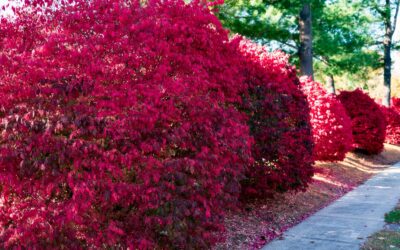
Privacy fences cost $35 to $65 per linear foot installed and start looking tired within a decade. The best tall outdoor plants deliver the same screening for a fraction of the price, look better every year, and add property value instead of depreciating. Whether you need a fast-growing screen along a property line, a statement specimen for a focal point, or a layered backdrop behind a flower border, this guide covers the species that perform across most of the US along with realistic timelines and care requirements.
Part of our Windows & Doors guide — explore the full guide →
Pick Plants Based on Three Factors
Before you order anything, narrow the field by climate zone, sun exposure, and mature size. The USDA hardiness zone map divides the country into bands based on average winter low temperatures. Most reliable tall plants are rated for zones 4 through 9, but plenty of choices work in zones 3 and 10 as well.
Sun exposure matters as much as zone. Full sun means six or more hours of direct sun daily. Part shade means three to six hours. Full shade means less than three hours. Plant the wrong species in the wrong light and you will fight pests, fungal disease, and poor growth for years.
Finally, know the mature size. A 4-foot nursery shrub may grow to 25 feet tall and 15 feet wide. Plant accordingly so you are not pruning aggressively every year to keep the plant within bounds.
Fast-Growing Privacy Screens
If you need height fast, these are the proven workhorses:
- Thuja Green Giant: Adds 3 to 5 feet per year, mature height 40 to 60 feet, zones 5-8. The most popular fast screen in the US.
- Leyland Cypress: 3-foot annual growth, mature height 40 to 60 feet, zones 6-10. Watch for canker disease in humid climates.
- Privet (Ligustrum): 2 to 3 feet per year, mature height 10 to 15 feet, zones 5-8. Tolerates pruning into formal hedges.
- Bamboo (clumping varieties only): 3 to 5 feet per year, mature height 15 to 30 feet, zones 6-10. Choose Fargesia for non-invasive growth.
- Hybrid Poplar: 5 to 8 feet per year, mature height 40 to 50 feet, zones 3-9. Short-lived but unbeatable for fast results.
Slower but Long-Lived Evergreens
If you are willing to wait, slower-growing evergreens make better long-term screens. American Holly (Ilex opaca) reaches 30 to 50 feet over 20 years, zones 5-9, with glossy evergreen leaves and red berries that feed birds. Eastern Red Cedar (Juniperus virginiana) is native across most of the eastern US, hits 40 to 60 feet, and tolerates dry, poor soil better than almost any other evergreen.
For a more refined look, consider Cryptomeria japonica ‘Yoshino’, which grows 1 to 2 feet per year to a mature height of 30 to 40 feet. The soft blue-green needles look graceful year-round and the form stays naturally pyramidal without pruning.
Deciduous Statement Trees
Not every tall plant has to be evergreen. Deciduous trees offer seasonal color and a more dramatic silhouette in winter. River Birch (Betula nigra) reaches 40 to 70 feet with peeling cinnamon bark, zones 4-9. It loves wet soil where most other trees struggle.
Tulip Poplar (Liriodendron tulipifera) is one of the fastest-growing native shade trees, hitting 70 to 90 feet at maturity with stunning yellow fall color. Plant it well away from the house — the root system spreads aggressively and the canopy sheds significant litter each fall.
For smaller properties, Japanese Maples in the upright forms (Acer palmatum ‘Bloodgood’ or ‘Sango Kaku’) reach 15 to 25 feet over 20 years and provide year-round visual interest.
Tropical and Bold Statement Plants
In zones 8 and warmer, you can plant species that read tropical without irrigation issues. Sago Palm (Cycas revoluta) tops out around 10 to 15 feet but takes 50 years to get there, while Windmill Palm (Trachycarpus fortunei) reaches 20 to 40 feet and tolerates winter lows to 5°F in protected spots.
For a faster fill, Banana Plants (Musa basjoo) shoot up 8 to 14 feet in a single growing season. They die back in zones 6-8 winters and resprout from the rhizome each spring. The leaf size and tropical effect are unmatched at the price point.
Ornamental Grasses for Movement
Tall ornamental grasses bring movement, sound, and texture that woody plants cannot match. The reliable selections include:
- Pampas Grass (Cortaderia selloana): 8 to 12 feet, zones 7-10. Spectacular plumes but watch for invasive tendencies.
- Maiden Grass (Miscanthus sinensis): 5 to 8 feet, zones 5-9. Multiple cultivars available with different bloom timing.
- Switchgrass (Panicum virgatum): 4 to 7 feet, zones 5-9. Native, drought-tolerant, and excellent for prairie-style plantings.
- Big Bluestem (Andropogon gerardii): 6 to 8 feet, zones 4-9. Native warm-season grass with bronze fall color.
Cut grasses back to 6 inches in early spring before new growth emerges. They take three years to reach full size after planting.
Spacing and Planting Tips
For privacy screens, space evergreens at half their mature width. Thuja Green Giant gets 12 feet wide, so plant centers at 6 feet apart. Closer spacing creates a faster screen but increases competition and disease pressure within five years.
Dig the planting hole twice as wide as the root ball but no deeper. The root flare should sit slightly above grade after settling. Backfill with native soil only — adding amendments creates a “pot effect” that discourages root growth into surrounding soil.
Water deeply twice a week for the first growing season, then weekly through year two. Established trees and shrubs typically need supplemental water only during extended droughts.
Common Mistakes to Avoid
Do not plant a single species along an entire property line. A monoculture is one disease outbreak away from total loss. Mix two or three compatible species for resilience and visual interest.
Avoid planting tall species under power lines. Utility crews will hack them into ugly shapes within a decade. Stick with species that mature under 25 feet for any location with overhead wires.
Skip running bamboo (Phyllostachys species) unless you install a 3-foot-deep root barrier. Otherwise it will invade your yard and your neighbors’ within five years.
Where to Buy
Local nurseries beat box stores for quality and species selection. Expect to pay $80 to $200 for a 5 to 7 foot evergreen, or $200 to $500 for a balled-and-burlapped tree large enough to make immediate impact. Mail-order specialists like Nature Hills and FastGrowingTrees ship smaller plants that catch up within three years.
FAQ
What is the fastest growing tall outdoor plant?
Hybrid Poplar grows 5 to 8 feet per year. Thuja Green Giant grows 3 to 5 feet per year and lives much longer, making it the better long-term choice.
What tall plant gives the most privacy?
Thuja Green Giant is the gold standard for residential privacy screens because of its dense growth, fast rate, and resistance to pests and diseases.
How tall do bamboo plants get?
Clumping bamboo (Fargesia, Bambusa) grows 15 to 30 feet. Running bamboo (Phyllostachys) can hit 50 to 70 feet but spreads aggressively.
What is the best tall plant for shade?
American Holly and Cryptomeria tolerate part shade. For deep shade, choose Hemlock (Tsuga canadensis) or shade-tolerant Japanese Maple cultivars.