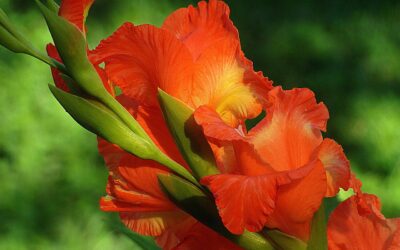
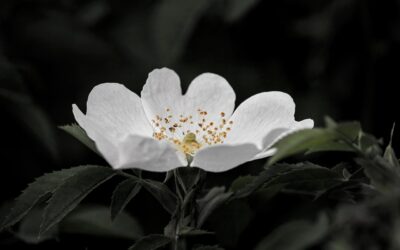
Shade gardens have a reputation for being low and leafy, a sea of hostas and ferns with nothing rising above knee height. But the right tall shade flowers shatter that limitation, bringing vertical drama and bold color to the dim corners where most blooms refuse to grow. Plants like foxglove, astilbe, and ligularia can reach 3 to 6 feet in partial to full shade, giving your shady beds the structure and presence usually reserved for sunny borders. Here are the best tall bloomers for low light and how to use them.
Why Height Matters in a Shade Garden
Shade beds often read as flat and monotonous because most shade plants stay low. Adding tall flowering plants creates layers, draws the eye upward, and gives the garden a sense of depth and maturity. Vertical blooms also catch what little light filters through the canopy, brightening areas that would otherwise feel dim.
Used at the back of a border or as a focal point, tall shade flowers turn a forgettable green corner into a designed, dimensional space.
Best Tall Perennials for Shade
These reliable perennials deliver height and bloom year after year in partial to full shade.
- Foxglove (Digitalis): spires of tubular flowers reach 3 to 5 feet; a cottage-garden classic. Note that all parts are toxic if eaten, so site it away from where children or pets graze.
- Astilbe: feathery plumes in pink, red, and white grow 2 to 4 feet and love moist shade.
- Ligularia: bold foliage topped with yellow-orange daisy or spire flowers, reaching 3 to 5 feet in damp soil.
- Goatsbeard (Aruncus): creamy astilbe-like plumes on a shrub-sized plant up to 6 feet.
- Black cohosh (Actaea): tall white bottlebrush spikes that can hit 4 to 6 feet, fragrant in late summer.
- Japanese anemone: graceful pink or white blooms on wiry 3-to-4-foot stems in fall.
Tall Shade Flowers for Damp Spots
Many tall shade bloomers crave consistent moisture, which makes them perfect for those soggy, shady areas that frustrate gardeners. Astilbe, ligularia, goatsbeard, and Joe-Pye weed all thrive where the soil stays reliably damp.
Joe-Pye weed in particular can soar to 5 to 7 feet, topped with mauve flower clusters that pollinators love, and it tolerates part shade in moist ground. These moisture-lovers turn a problem area near a downspout or low spot into the lushest part of the garden.
Biennials and Self-Seeders
Some of the most dramatic tall shade flowers are biennials or short-lived perennials that perpetuate themselves by seed. Foxglove is the prime example: it blooms in its second year, then drops seed to ensure a colony continues. Hollyhock and forget-me-not behave similarly in part shade.
Let these plants go to seed and they will fill in naturally over the seasons, giving you a self-sustaining display with little replanting. Just thin the seedlings where they crowd to keep the bed from becoming a thicket.
Designing With Tall Shade Flowers
Placement matters as much as plant choice. Use these tactics to integrate height gracefully:
- Layer by height: tall bloomers at the back, mid-height astilbe and bleeding heart in the middle, low hostas and ferns up front.
- Repeat for rhythm: plant tall flowers in groups of three or five rather than singletons for impact.
- Pair with bold foliage: the broad leaves of hosta and the lace of ferns contrast beautifully with vertical flower spires.
- Use light colors: white and pale blooms glow in shade and brighten dark corners.
Care and Growing Tips
Most tall shade flowers share a few cultural preferences. They want rich, humus-heavy soil, so amend your beds generously with compost. Consistent moisture is critical, especially for astilbe and ligularia, which will scorch and wilt if they dry out, even in shade.
Tall stems sometimes need support; stake foxglove and top-heavy bloomers in windy or exposed sites. Deadhead spent blooms to tidy the plant and, for some species, encourage a second flush. A spring layer of mulch conserves moisture and feeds the soil as it breaks down.
Matching Plants to Your Shade Level
Not all shade is equal, so match plants to the light you actually have. Astilbe, foxglove, and Japanese anemone handle partial shade with a few hours of dappled or morning sun. Goatsbeard, black cohosh, and ligularia tolerate deeper shade. Observe your beds through the day before planting; an area that gets two hours of morning sun supports more bloomers than one in dense, all-day shade under evergreens.
Extending the Bloom Season in Shade
A well-planned shade bed can have tall blooms from spring through fall if you choose varieties that flower at different times. Foxglove and bleeding heart lead off in late spring, astilbe and goatsbeard carry early to midsummer, and Japanese anemone and black cohosh close the season into early fall.
Stagger your selections so something tall is always in flower, and tuck in shade-tolerant bulbs like tall alliums and foxtail lilies for spring color. Pairing these with reliable foliage plants, hostas, ferns, and heuchera, ensures the bed looks full even between bloom cycles. With a little sequencing, your shady corner stays dynamic and colorful across the whole growing season instead of peaking for two weeks and going quiet.
Common Problems and How to Avoid Them
Tall shade flowers can disappoint if a few common pitfalls go unaddressed. Flopping is the most frequent complaint; it usually means too much shade, too much rich fertilizer, or simply a tall variety that needs staking. Move the plant to brighter dappled light, ease off feeding, and stake early in the season before the stems get top-heavy.
- Powdery mildew: improve air circulation by spacing plants properly and avoid wetting foliage.
- Crown rot: ensure good drainage; even moisture-lovers hate standing water around the crown.
- Scorched leaves: a sign of too much sun or dried-out soil; mulch and water moisture-lovers consistently.
- Sparse blooms: almost always insufficient light, the cure is a brighter spot.
Address the underlying cause rather than the symptom, and these tall bloomers stay healthy and upright for years.
With a thoughtful mix of these tall shade flowers, even the darkest corner of your yard can have the height, color, and structure of a sunny border. Layer them by height, give them rich moist soil, and let self-seeders fill in over time, and your shade garden will rise well above the usual carpet of hostas.