Nothing beats sinking your feet into a thick carpet for living room spaces where comfort is the priority. Plush, dense carpet transforms a living room into the coziest room in the house, absorbing sound, insulating the floor, and creating a soft surface for families to relax on. After installing carpet in thousands of homes over the past three decades, we know exactly which products deliver that luxurious thick feel without sacrificing performance.
- Best Thick Carpet Options for Living Rooms
- Pile Height Guide: What Makes Carpet Feel Thick
- Padding Thickness and Why It Matters
- Fiber Types for Thick Living Room Carpet
- Comfort vs. Durability: Finding the Balance
- Vacuuming and Care Considerations
- Style and Design Options
- Cost Guide
- Frequently Asked Questions
Best Thick Carpet Options for Living Rooms
When shopping for thick carpet for living room use, you will encounter several carpet styles that deliver the plush, cushioned feel homeowners want.
Saxony plush: This is the classic thick carpet with a smooth, velvety surface. Fibers stand straight up and are cut to a uniform height, creating a dense, luxurious look and feel. Pile height typically ranges from 3/4 inch to 1 inch. Saxony shows footprints and vacuum marks (called tracking), which some homeowners love and others find distracting.
Frieze (also called twist): Fibers are tightly twisted so they curl at the tips, creating a textured surface that hides footprints and wear patterns better than saxony. Frieze offers a thick, casual look and is one of the most durable plush options. Pile heights run 5/8 inch to 1 inch.
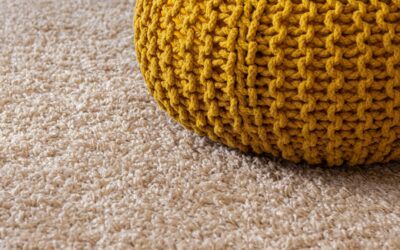
Shag: The thickest option with pile heights of 1 inch to 2 inches or more. Modern shag carpets use premium fibers that resist matting better than the shag carpets of the 1970s. Extremely comfortable but harder to clean and not ideal for high-traffic areas.
Plush textured: A hybrid between saxony and frieze with slightly twisted fibers that stand upright. This style gives you the thick feel of saxony with better footprint resistance. Pile heights of 5/8 inch to 7/8 inch are most common.
For most living rooms, we recommend frieze or plush textured styles. They deliver the thick, comfortable feel you want while handling daily traffic far better than traditional saxony or shag.
Pile Height Guide: What Makes Carpet Feel Thick
Pile height is the length of the carpet fibers measured from the backing to the tip. But pile height alone does not determine how thick and luxurious a carpet feels. Density matters just as much.
Pile height ranges:
- Low pile: Under 1/2 inch. Firm, flat, and easy to clean. Not what you want for a plush living room.
- Medium pile: 1/2 to 3/4 inch. A good balance of comfort and practicality.
- High pile: 3/4 to 1 inch. Noticeably thick and cushioned. The sweet spot for living rooms.
- Extra-high pile (shag): Over 1 inch. Maximum softness but higher maintenance.
Face weight tells you how much fiber is packed into the carpet per square yard. For a thick living room carpet, look for face weights of 40 ounces or higher. Premium plush carpets run 50 to 70 ounces. Higher face weight means denser fibers, which translates to a more substantial feel underfoot and better long-term resilience.
Density rating is calculated from face weight and pile height. A carpet can have tall fibers but feel thin if the density is low. The ideal thick carpet has both high pile and high density. Look for density ratings above 3,000 for a truly plush living room carpet.
When shopping, do not judge carpet thickness by sight alone. Press your thumb into the sample. If you can easily feel the backing through the fibers, the carpet is too thin regardless of how tall the pile looks.
Padding Thickness and Why It Matters
Carpet padding is the unsung hero of a comfortable thick carpet for living room installations. The right pad adds cushion, extends carpet life, improves insulation, and reduces noise.
Recommended padding for thick living room carpet:
- Thickness: 7/16 inch to 1/2 inch for standard carpet. Do not exceed 1/2 inch for most residential carpet, as too-thick padding causes the carpet to flex excessively, which accelerates wear on the backing and seams.
- Density: 6 to 8 pounds per cubic foot for general living rooms. This provides excellent cushion without being so soft that walking feels unstable.
- Material: Rebond (recycled foam) is the industry standard and offers the best value. Memory foam padding costs more but provides premium comfort. Rubber padding is the most durable and best for heavy traffic.
Common padding mistakes:
Many homeowners assume thicker padding is always better. Padding that is too thick (over 1/2 inch for most carpet) actually shortens carpet life. The excessive give causes fibers to bend at the surface, creating premature wear, buckling, and seam failure. Follow the carpet manufacturer’s padding specifications exactly.
Also, never reuse old padding. Even if it looks fine, old padding is compressed, degraded, and often harbors allergens. New padding costs $0.50 to $1.50 per square foot and makes a dramatic difference in how your new carpet feels and performs.
Fiber Types for Thick Living Room Carpet
The fiber determines the carpet’s durability, stain resistance, texture retention, and feel. For thick living room carpet, not all fibers are equal.
Nylon: The gold standard for residential carpet. Nylon is the strongest, most resilient fiber available. It springs back after compression, resists matting, and handles heavy traffic. Brands like Mohawk’s SmartStrand and Shaw’s Anso nylon are engineered specifically for thick plush styles. Nylon is the best choice for a thick living room carpet that needs to look good for 10 to 15 years.
Polyester (PET): Softer than nylon out of the box with excellent stain resistance. Polyester has a luxurious, silky feel that works beautifully in thick plush styles. The downside is lower resilience. Polyester fibers flatten faster under heavy traffic, making it better for formal living rooms and bedrooms than family rooms. More affordable than nylon.
Triexta (PTT polyester): A newer fiber marketed as SmartStrand by Mohawk. Combines the softness of polyester with improved resilience. Built-in stain resistance that never wears off. An excellent middle ground between nylon and polyester for thick living room carpet.
Wool: Natural, luxurious, and environmentally friendly. Wool carpet has a dense, springy feel that synthetic fibers try to replicate. It regulates humidity, resists flames, and ages beautifully. The cost is 2 to 4 times higher than synthetic options, and wool requires specialized cleaning.
For a thick carpet in a main living room with daily traffic, nylon or triexta are our top recommendations. Polyester is ideal for formal sitting rooms or bedrooms. Wool is the premium choice for homeowners who want the absolute best.
Comfort vs. Durability: Finding the Balance
Here is the honest truth about thick carpet for living room spaces: the thickest, softest carpet is rarely the most durable. Finding the right balance is key to long-term satisfaction.
Maximum comfort options: High-pile saxony or shag with premium memory foam padding. These deliver the most luxurious underfoot feel but show wear fastest. Best for low-traffic formal living rooms, bedrooms, or rooms used primarily by adults.
Balanced comfort and durability: Medium to high-pile frieze or textured plush with 6-pound rebond padding. The twisted fibers resist matting and hide wear while still providing substantial cushion. This is the combination we recommend for most family living rooms.
Maximum durability with decent comfort: Dense, medium-pile nylon frieze with 8-pound rebond padding. The floor will not feel as plush as a high-pile saxony, but it will look like new after 10 years of heavy use.
A practical approach: if your living room is your family’s main gathering space with kids, pets, and daily traffic, lean toward durability. If you have a separate family room or den that takes the heavy use, your living room can handle a higher-comfort, lower-durability carpet.
Vacuuming and Care Considerations
Thick carpet requires more cleaning attention than low-pile options. Understanding this before installation prevents frustration later.
Vacuum selection: Not all vacuums work well on thick carpet. Upright vacuums with adjustable height settings are essential. Set the brush roller to the highest position so it glides over the carpet without pulling fibers. Vacuums with too-aggressive brush rollers can damage thick pile over time.
Vacuuming frequency: Thick pile traps more dirt, dust, and allergens deep within the fibers. Vacuum high-traffic paths 2 to 3 times per week and the entire room at least once weekly. Regular vacuuming prevents dirt from grinding down fibers at the base, which causes permanent matting.
Professional cleaning: Have thick carpet professionally hot-water extracted (steam cleaned) every 12 to 18 months. Thick pile holds more soil at the base that vacuuming alone cannot remove. Professional cleaning restores the loft of compressed fibers and keeps the carpet looking full and thick.
Spot cleaning: Blot spills immediately. Never rub. Use a carpet-specific spot cleaner and work from the outside of the stain inward. Thick carpet gives you a slight advantage here because spills take longer to reach the backing, giving you more time to respond.
Raking: Use a carpet rake after vacuuming to lift matted fibers and restore the plush appearance. This simple tool costs under $15 and makes a visible difference, especially in high-traffic areas and after furniture has been moved.
Style and Design Options
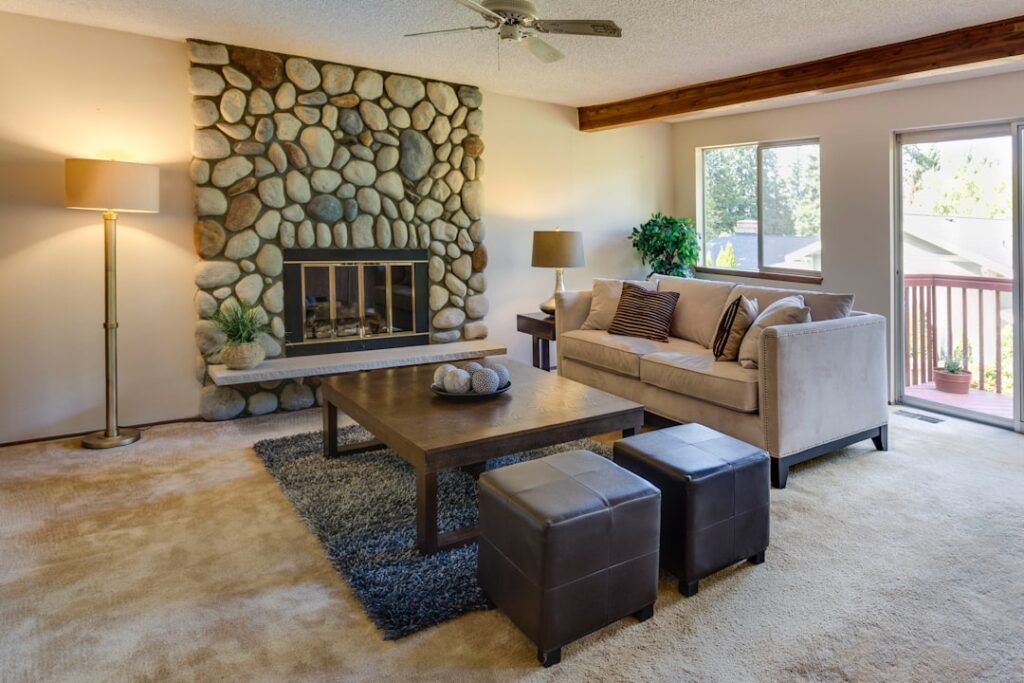
A thick carpet living room does not have to look dated. Modern thick carpet options come in sophisticated colors and subtle patterns that work with current design trends.
Trending colors for 2026:
- Warm greige (gray-beige blend) for versatile modern spaces
- Soft ivory and cream for bright, open living rooms
- Charcoal and dark gray for dramatic, contemporary rooms
- Warm taupe and mushroom for earthy, organic interiors
- Soft blue-gray for coastal and transitional styles
Pattern options: While most thick carpet is solid-colored, some manufacturers offer tone-on-tone patterns (subtle geometric or organic shapes) in plush and textured styles. These add visual interest while maintaining the thick, luxurious feel.
Design tips:
- Lighter carpet colors make rooms feel larger and brighter
- Medium tones hide soil and wear best
- Dark carpet shows lint and pet hair but creates a dramatic, cozy feel
- Pair thick carpet with simple, clean-lined baseboards for a modern look
- Use carpet transitions (not metal strips) where thick carpet meets hard flooring for a seamless appearance
Cost Guide
Here is what to expect when budgeting for thick carpet for living room installation in a typical 400-square-foot space.
Carpet material (per square foot):
- Polyester plush: $2 to $5
- Triexta plush: $3 to $6
- Nylon plush/frieze: $4 to $8
- Wool plush: $10 to $25
Padding: $0.50 to $1.50 per square foot ($200 to $600 for 400 square feet)
Installation labor: $1 to $2 per square foot ($400 to $800)
Old carpet removal: $0.50 to $1 per square foot ($200 to $400)
Total project cost for 400 square feet:
- Budget (polyester): $1,300 to $3,200
- Mid-range (nylon): $2,400 to $4,800
- Premium (wool): $4,800 to $11,600
When comparing prices, always ask for the total installed price including padding, labor, and old flooring removal. Some carpet retailers advertise low material prices but mark up installation and padding significantly.
Frequently Asked Questions
What pile height is best for a living room carpet?
For the best balance of comfort and durability, choose a pile height between 3/4 inch and 1 inch with a face weight of 40 ounces or higher. This range gives you a noticeably thick, cushioned carpet that still handles daily traffic. Go higher (over 1 inch) only in low-traffic or formal living rooms.
Does thick carpet cause allergies?
Thick carpet traps allergens (dust, pollen, pet dander) more than low-pile carpet or hard flooring. However, regular vacuuming with a HEPA-filtered vacuum and annual professional cleaning keeps allergen levels manageable. If severe allergies are a concern, consider a dense medium-pile carpet rather than extra-high pile.
How long does thick living room carpet last?
Nylon plush in a living room typically lasts 10 to 15 years with proper care. Polyester lasts 5 to 10 years before showing signs of matting. Wool can last 15 to 25 years. The quality of the padding and regularity of cleaning are the biggest factors in carpet longevity.
Can you put thick carpet on stairs?
You can, but it is not ideal. Thick carpet on stairs can create a tripping hazard because the padding compresses at the nosing, making the stair edge less defined. For stairs, use a lower pile, denser carpet with thin, firm padding for safety. Save the thick plush for the living room.
Is thick carpet good for homes with pets?
Thick carpet is comfortable for pets but requires more maintenance. Pet hair embeds deeper in thick pile and requires more vacuuming effort. Choose a nylon or triexta fiber with built-in stain resistance. Avoid shag or extra-high pile if you have shedding pets, as hair removal becomes extremely difficult.