Choosing the right carpet goes beyond picking a color. The style of carpet you select determines how it looks, how it feels, how long it lasts, and how well it performs in different rooms. With so many carpet styles on the market, from plush and frieze to berber and patterned, it can be overwhelming to figure out which one is right for your home.
This guide breaks down every major carpet style, explains what makes each one unique, recommends the best uses for each style, and provides honest guidance on durability and pricing so you can make a confident choice.
Understanding Carpet Construction Basics
Before diving into specific styles, it helps to understand how carpet is made, because the construction method defines the style.
All carpet starts with fibers (nylon, polyester, polypropylene, or wool) that are tufted into a backing material. The way these fibers are tufted, cut, twisted, and finished determines the carpet’s style, texture, and performance characteristics.
Cut pile: The fiber loops are cut at the top, creating individual yarn tips that stand upright. Cut pile carpets have a softer, more luxurious feel.
Loop pile: The fiber loops remain intact (uncut), creating a surface of rounded loops. Loop pile carpets are more durable and resistant to crushing.
Cut-loop pile: A combination of cut and uncut loops that creates patterns and textures on the carpet surface.
The height, density, twist level, and arrangement of the pile all contribute to defining the specific carpet style. Let us explore each major style in detail.
Plush Carpet (Velvet)
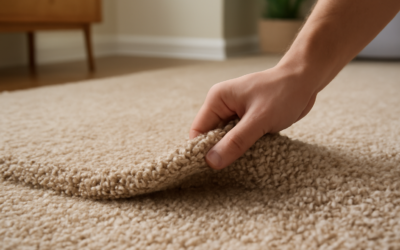
Plush carpet, also known as velvet carpet, features a smooth, even surface created by densely packed, evenly cut fibers of uniform height. The surface has a refined, elegant appearance similar to the texture of velvet fabric. When you run your hand across plush carpet, it feels consistently soft and smooth in every direction.
Characteristics
Plush carpet has a formal, luxurious appearance that works well in rooms where elegance is the goal. The fibers are cut to a uniform height and the twist is relatively low, creating that smooth, velvety surface. The pile height is typically medium, ranging from about half an inch to three-quarters of an inch.
Pros and Cons
The biggest advantage of plush carpet is its rich, sophisticated look and incredibly soft feel. It is the most comfortable carpet style to sit or lie on. However, plush carpet shows footprints, vacuum tracks, and wear patterns more readily than any other style. It also tends to crush and mat in high-traffic areas, which is why it is not recommended for hallways, stairs, or busy family rooms.
Best Rooms
Master bedrooms, formal living rooms, guest rooms, and any space with low to moderate foot traffic where a luxurious feel is desired.
Durability
Low to moderate. Plush carpet shows wear faster than most other styles, particularly in high-traffic areas. Choosing a high-quality nylon fiber with a good density rating improves longevity.
Price Range
$2.00 to $8.00 per square foot for materials, depending on fiber type and quality. Premium wool plush can exceed $12.00 per square foot.
Frieze Carpet (Shag)
Frieze carpet features tightly twisted fibers that curl in different directions, creating an informal, textured surface. The high twist level causes the fibers to bend and kink, giving frieze carpet its characteristic casual, relaxed appearance. Modern frieze is sometimes called “California shag” or “trackless carpet.”
Characteristics
The defining feature of frieze carpet is the extreme twist in the fiber. Each strand of yarn is twisted many times per inch, which causes it to kink and curl rather than standing straight up. This creates a nubby, informal texture that does an excellent job of hiding footprints, vacuum marks, and general wear. The pile height is typically taller than plush, ranging from about three-quarters of an inch to over an inch.
Pros and Cons
Frieze is one of the most practical carpet styles for busy households. It hides dirt, footprints, and wear better than almost any other style. It is durable, comfortable, and has a relaxed aesthetic that works in casual living spaces. On the downside, the longer pile can be harder to clean (deep vacuuming is important), and the informal look may not suit formal rooms.
Best Rooms
Family rooms, bedrooms, basements, and any room with moderate to heavy foot traffic where a casual atmosphere is appropriate.
Durability
Good to excellent. The tight fiber twist resists matting and crushing, making frieze one of the more durable carpet styles. It ages gracefully, maintaining its appearance over time.
Price Range
$2.50 to $7.00 per square foot for materials.
Berber Carpet (Loop Pile)
Berber carpet is a loop pile style characterized by thick, looped fibers that are left uncut. Originally inspired by hand-woven carpets made by the Berber tribes of North Africa, modern Berber carpet features a chunky, nubby loop construction that is extremely durable. The classic Berber look features flecked or multi-toned colors on a light background.
Characteristics
Berber’s uncut loops create a dense, tight surface that resists crushing and matting. The loops can be uniform in height (level loop) or varied (multi-level loop) for a more textured appearance. Berber is most commonly made from olefin (polypropylene) or nylon fibers. The looped construction makes it one of the most durable carpet flooring options available.
Pros and Cons
Berber is extremely durable, stain-resistant (especially olefin versions), and affordably priced. It handles heavy traffic well and resists showing wear patterns. The main disadvantage is that loops can snag and pull, creating runs similar to those in knitted fabric. Pet claws are a particular concern with Berber carpet. Spills can also be harder to clean out of loop pile than cut pile because liquid can wick along the fiber loops.
Best Rooms
Basements, home offices, rental properties, hallways, and high-traffic areas where durability is the top priority. It is also popular for commercial applications.
Durability
Excellent. Berber is one of the most durable carpet styles available, particularly in nylon constructions. It maintains its appearance under heavy foot traffic better than most cut pile styles.
Price Range
$1.50 to $6.00 per square foot for materials. Olefin Berber is at the low end; nylon Berber is at the higher end.
Textured Carpet
Textured carpet (also called textured plush or textured cut pile) features fibers that are cut to a uniform height but twisted in alternating directions. This creates a surface with a subtle, multi-toned appearance that hides footprints and vacuum marks far better than smooth plush while still maintaining a refined look.
Characteristics
Textured carpet occupies the middle ground between plush and frieze. The fibers are cut (not looped) and have a moderate twist level. The alternating twist directions cause light to reflect differently off adjacent fibers, creating that characteristic multi-tonal appearance. This light-and-shadow effect is what makes textured carpet so good at hiding footprints and everyday wear.
Pros and Cons
Textured carpet is the most popular carpet style in America for good reason. It is versatile enough for almost any room, hides imperfections well, and comes in an enormous range of colors and fiber types. It offers a more refined look than frieze but is much more practical than plush. The downside is that it does not have the luxury feel of plush or the extreme durability of Berber.
Best Rooms
Living rooms, bedrooms, hallways, stairs, and virtually any room in the home. Textured carpet is the most versatile style available.
Durability
Good. Textured carpet handles moderate to heavy traffic well, especially in quality nylon constructions. It does not show wear patterns as quickly as plush.
Price Range
$2.00 to $7.00 per square foot for materials.
Patterned Carpet
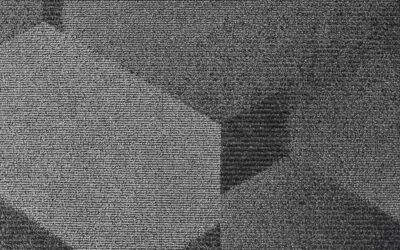
Patterned carpet uses a combination of cut and loop pile heights, different tufting techniques, or printed designs to create geometric, floral, or abstract patterns on the carpet surface. Patterned carpet has surged in popularity as homeowners look for floors that make a design statement.
Characteristics
Patterned carpet can be created through several manufacturing methods. Cut-and-loop construction uses varying pile heights and types to create three-dimensional patterns. Printed patterns apply the design directly to the carpet surface. Woven patterns are integrated into the carpet structure during manufacturing (the most expensive method). Popular patterns include geometric shapes, herringbone, lattice, floral motifs, and abstract designs.
Pros and Cons
Patterned carpet adds visual interest and personality to a room in a way that solid-color carpets cannot. It excels at hiding stains, footprints, and wear because the pattern breaks up the visual uniformity of the surface. Patterns also help disguise dirt between cleanings. The main drawback is cost: patterned carpet typically costs more than solid-color options. Bold patterns can also overwhelm small spaces or clash with busy room decor.
Best Rooms
Living rooms, dining rooms, stairs, hallways, bedrooms, and any room where you want the carpet to be a design feature rather than just a background element. Subtle patterns work well in almost any space; bold patterns are best in larger rooms with simpler furnishings.
Durability
Good to excellent, depending on the construction method and fiber type. The pattern itself helps mask wear, extending the visual life of the carpet.
Price Range
$3.00 to $12.00 per square foot for materials. Woven patterns and complex multi-color designs command the highest prices.
Level Loop Carpet
Level loop carpet features uniform-height loops that create a flat, even surface. It is the simplest loop pile construction and is widely used in commercial settings and high-traffic residential areas.
Characteristics
All loops are the same height, creating a consistent, flat surface. The loops are densely packed for maximum durability. Level loop is often used in carpet tiles (modular carpet squares) for commercial applications. Residential versions come in a range of colors and subtle patterns.
Pros and Cons
Level loop is extremely durable and resists crushing and matting because the loops support each other. It is easy to clean and maintain. However, it has a more utilitarian appearance than cut pile styles and can feel rougher underfoot. Like all loop piles, it is susceptible to snagging.
Best Rooms
Home offices, basements, playrooms, hallways, and any high-traffic area. Also excellent for commercial spaces.
Durability
Excellent. One of the most durable carpet constructions available.
Price Range
$1.50 to $5.00 per square foot for materials.
Multi-Level Loop Carpet
Multi-level loop carpet features loops of two or three different heights, creating a sculpted, three-dimensional surface with built-in pattern and visual depth.
Characteristics
The varying loop heights create shadows and patterns on the carpet surface without any cut fibers. This gives multi-level loop carpet more visual interest than flat level loop while retaining the durability advantages of loop construction.
Pros and Cons
More visually appealing than level loop, with patterns that help hide dirt and wear. It retains the durability benefits of loop pile construction. However, the taller loops are slightly more vulnerable to snagging than level loops, and the textured surface can be harder to vacuum thoroughly.
Best Rooms
Living rooms, family rooms, bedrooms, and any room where you want the durability of loop pile with a more decorative appearance.
Durability
Very good. Nearly as durable as level loop but with more style.
Price Range
$2.00 to $6.00 per square foot for materials.
Cut-Loop Carpet
Cut-loop carpet (also called sculpted carpet) combines cut and looped fibers in a single carpet to create patterns, textures, and visual depth. The cut fibers stand taller and appear lighter in color, while the loop fibers sit lower and appear darker, creating a contrast that forms the pattern.
Characteristics
Cut-loop is one of the most versatile carpet constructions. By varying the ratio and arrangement of cut and loop sections, manufacturers can create an almost infinite variety of patterns and textures. Common designs include geometric shapes, abstract patterns, and organic textures.
Pros and Cons
Cut-loop carpet offers an excellent balance of style, durability, and practicality. The patterns effectively hide stains, wear, and footprints. The combination of cut and loop fibers provides a comfortable feel with good resilience. The main concern is that the loop sections can snag, though this is less of an issue with well-made products that use tight, dense loops.
Best Rooms
Living rooms, family rooms, bedrooms, dens, and moderate-traffic hallways. Cut-loop is versatile enough for most residential applications.
Durability
Good. The loop sections add durability, while the cut sections add comfort. Performance depends largely on the fiber quality and construction density.
Price Range
$2.50 to $8.00 per square foot for materials.
How to Choose the Right Carpet Style for Each Room
Here is a quick room-by-room recommendation summary to help you match carpet styles to your spaces.
Master bedroom: Plush or textured for maximum comfort and luxury. This is a low-traffic room where softness matters most.
Kids’ bedrooms: Textured or frieze for comfort combined with stain-hiding ability. Avoid plush, which shows every mark and wear pattern.
Living room: Textured, patterned, or cut-loop depending on your traffic level and design preferences. For busy families, textured or patterned is most practical.
Family room: Frieze or textured for the best combination of durability and comfort in a high-traffic casual space.
Hallways and stairs: Berber, level loop, or dense textured carpet for maximum durability. These high-traffic areas need carpet that resists crushing and matting.
Basement: Berber or level loop for durability and moisture resistance. Choose olefin (polypropylene) fiber, which resists mold and mildew. If moisture is a major concern in your basement, consider exploring waterproof flooring alternatives.
Home office: Level loop or Berber for durability under rolling office chairs. Cut pile styles can crush and mat under chair casters.
Carpet Style Pricing Comparison
Here is a side-by-side pricing summary for all the major carpet styles (materials only, per square foot, as of 2026):
Level loop: $1.50 to $5.00
Berber: $1.50 to $6.00
Textured: $2.00 to $7.00
Plush: $2.00 to $8.00
Frieze: $2.50 to $7.00
Cut-loop: $2.50 to $8.00
Multi-level loop: $2.00 to $6.00
Patterned: $3.00 to $12.00
Professional carpet installation typically adds $1.00 to $3.00 per square foot, including padding. Some retailers include installation in the per-square-foot price during sales events.
Final Thoughts
The right carpet style makes all the difference in how your rooms look, feel, and perform over time. By matching the style to each room’s traffic level, function, and design goals, you get the best combination of beauty and longevity. Whether you choose the elegance of plush for your bedroom, the practicality of textured for your living room, or the rugged durability of Berber for your basement, understanding carpet styles ensures you invest wisely in a floor that delivers exactly what you need.