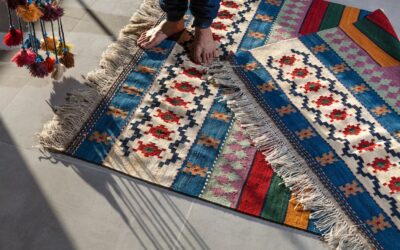
A bare floor can feel cold and a little unfinished, no matter how nice the flooring underneath. A throw rug is the quick, affordable fix, a small accent rug that adds warmth, color, and softness exactly where you need it most. These are the little rugs you toss down by a bed, in front of a sink, or at an entryway, and the right one can change the feel of a room in seconds while protecting the floor below.
What Counts as a Throw Rug
The term throw rug generally refers to a small, lightweight accent rug, distinct from a large area rug that anchors an entire room. Throw rugs are easy to move, easy to wash, and meant to be layered or swapped with the seasons. They typically run from about 2 by 3 feet up to roughly 4 by 6 feet, small enough to define a specific spot rather than cover a large floor area.
You will also hear them called accent rugs, scatter rugs, or door mats depending on use. Whatever the name, the job is the same: add comfort and style to a focused area.
Common Sizes and Where They Go
Matching size to spot is the key to a throw rug that looks intentional rather than random.
- 2 by 3 feet: Entryways, in front of a kitchen sink, beside a bed as a soft landing.
- 3 by 5 feet: A versatile middle size for hallways, reading nooks, or under a small table.
- 4 by 6 feet: Defines a seating vignette or sits at the foot of a bed.
- Runners (about 2 by 6 to 2 by 8 feet): Hallways, galley kitchens, and along the length of a bed.
A common mistake is choosing a rug that is too small for the space, which makes a room feel choppy. When in doubt, size up slightly so furniture and the rug relate to each other.
Materials to Consider
Material drives how a throw rug feels, how it wears, and how you clean it. Match it to the room.
- Cotton: Soft, affordable, and usually machine washable. Great for kitchens, bathrooms, and kids’ rooms.
- Wool: Plush, durable, and naturally stain-resistant, though pricier. Ideal for living rooms and bedrooms.
- Jute and sisal: Natural, textured, and earthy, best in dry, low-moisture areas.
- Polypropylene and synthetics: Budget-friendly, fade-resistant, and easy to clean, good for high-traffic and indoor-outdoor use.
- Microfiber and chenille: Ultra-soft and plush, popular for bath mats and bedside rugs.
Safety: Keeping Throw Rugs From Slipping
This deserves real attention, because small rugs are a leading cause of slips and falls at home, especially for older adults. A throw rug that slides on a hard floor or curls at the corners is a genuine hazard. The fix is simple and cheap.
- Always use a non-slip rug pad sized just under the rug. It grips the floor, adds cushion, and protects the flooring finish.
- Choose rugs with a non-skid backing for bathrooms and entryways where water makes floors slick.
- Keep edges flat. Replace any rug that curls or buckles and will not lie flat.
- Avoid placing throw rugs at the top or bottom of stairs.
A few dollars for a rug pad is the best money you will spend, both for safety and to keep the rug from sliding out of place.
Protecting Your Floor
Throw rugs protect floors from wear, scratches, and spills, but the wrong pad can do the opposite. On hardwood and luxury vinyl, use a felt or felt-and-rubber pad rated as floor-safe, since some cheap rubber and PVC backings can discolor or react with the floor finish over time. Lift the rug occasionally to let the floor breathe and to clean both surfaces, and rotate the rug so foot traffic and any sun exposure wear it evenly.
Cleaning and Care
One of the joys of throw rugs is how easy they are to maintain. Many cotton and synthetic styles are machine washable on a gentle cycle and air dry quickly. Vacuum regularly to keep grit from grinding into the fibers, shake smaller rugs outdoors, and spot-clean spills promptly. Check the care label before washing wool or natural-fiber rugs, which often need gentle spot cleaning or professional care instead of a machine wash.
Layering and Decorating With Throw Rugs
One of the most popular tricks with throw rugs is layering them over a larger neutral rug or directly on a hard floor for added depth and texture. A patterned throw rug centered on a plain jute or wool base instantly creates a designer look at low cost. You can also use throw rugs to define zones within an open-plan space, marking a reading nook or an entry without building walls. Because they are inexpensive, they let you bring in seasonal color, a warmer tone for fall and winter, lighter and brighter for spring, without committing to a big-rug purchase.
Choosing Color and Pattern
Color and pattern do a lot of work in a small rug. In a busy room, a calmer solid or subtle texture grounds the space, while in a plain room a bold pattern adds the energy. Practical homeowners often choose darker tones and busier patterns for high-traffic and food-prone areas like kitchens and entries, since they hide dirt and the occasional spill far better than pale solids. Pull one color from the rug into a throw pillow or piece of art to tie the room together, and consider how the rug looks against the floor color beneath it, since a rug that nearly matches the floor can disappear.
Cost and Style Tips
Throw rugs are one of the most affordable ways to refresh a room. Simple cotton or synthetic accent rugs often run $15 to $50, while quality wool and designer pieces range from $60 to $200 or more depending on size and craftsmanship. Because they are inexpensive and easy to swap, throw rugs are a low-risk way to experiment with color and pattern, layer over a larger rug for depth, or change a room’s mood with the seasons.
A throw rug is small in size but big in impact. Pick the right dimensions for the spot, a material suited to the room, and always anchor it with a non-slip pad. Do that and you get instant warmth, a pop of style, and a safer, better-protected floor, all for the price of a nice dinner out.