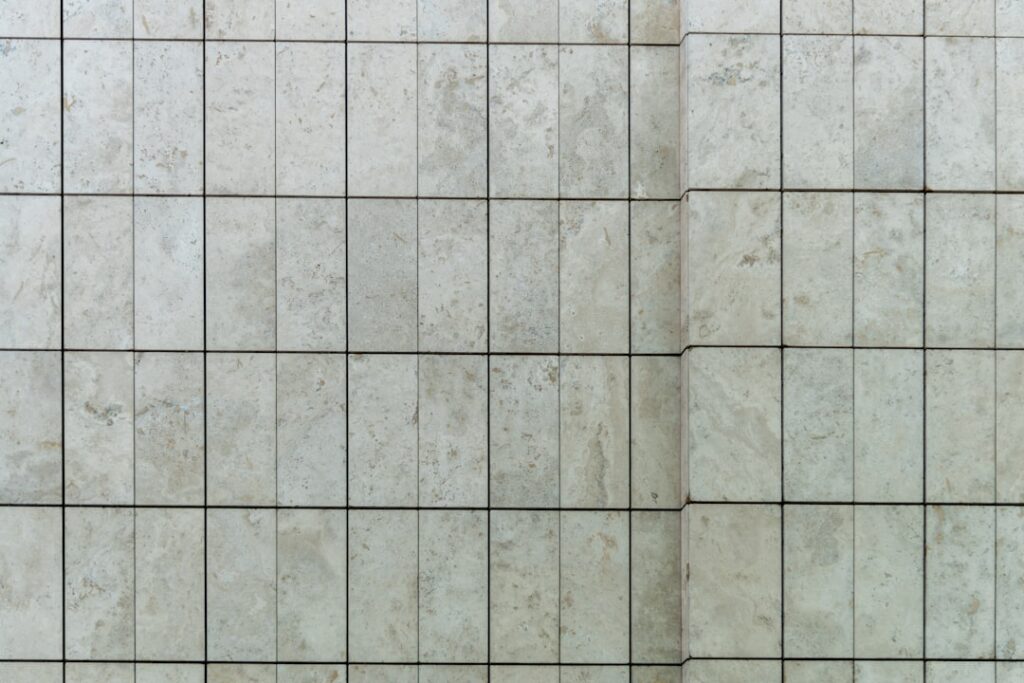
For Atlanta homeowners, tile flooring is one of the smartest investments you can make in a hot, humid Southern climate. Tile shrugs off moisture, stays cool in the summer heat, resists the wear of busy households, and looks great in everything from a Buckhead bungalow to a new build in the suburbs. Whether you are tiling a kitchen, bathroom, entry, or an entire main level, understanding your options helps you choose the right product and installer. This guide covers tile types, costs in the Atlanta market, and how to hire well.
- Why Tile Suits the Atlanta Climate
- Types of Tile to Consider
- Pros of Tile Flooring
- Cons to Weigh
- What Tile Costs in Atlanta
- Choosing the Right Tile for Each Room
- How to Vet an Atlanta Tile Installer
- Installation and Maintenance Notes
- Porcelain Versus Ceramic: Which to Choose
- Trends and Design Ideas
- The Bottom Line
Why Tile Suits the Atlanta Climate
Georgia summers are long, hot, and humid, and tile handles all three with ease. It does not absorb moisture the way wood-based floors can, so it resists the swelling, mildew, and warping that plague the wrong materials in humid conditions. Tile also stays pleasantly cool underfoot during scorching summers, and its hard surface is easy to keep clean of the pollen and grit that Atlanta is famous for in spring. For wet areas like bathrooms, laundry rooms, and mudrooms, it is hard to beat.
Types of Tile to Consider
- Porcelain: Dense, low-absorption, and extremely durable, the go-to for floors and wet areas.
- Ceramic: Affordable and versatile, a good value for moderate-traffic rooms.
- Natural stone: Marble, travertine, and slate offer unique beauty but need sealing and more care.
- Wood-look tile: Porcelain planks that mimic hardwood with full water resistance.
- Large-format tile: Big panels with fewer grout lines for a clean, modern look.
Pros of Tile Flooring
Tile’s advantages are well suited to Southern living. It is exceptionally durable and, with proper installation, can last decades. It is fully water-resistant, making it ideal for Atlanta’s humidity and wet rooms. Maintenance is simple, just sweeping and occasional mopping, and it does not harbor allergens the way carpet can, a real benefit during pollen season. The design range is enormous, from classic to ultra-modern, and tile generally adds value and broad appeal at resale.
Cons to Weigh
Tile is not flawless. It is hard and cold underfoot, which some homeowners dislike in living areas and bedrooms, though radiant heat or rugs can soften that. Installation is labor-intensive and best done by a skilled pro, so labor costs are higher than for floating floors. Grout lines need periodic cleaning and resealing to stay looking sharp. And a dropped heavy object can crack a tile, after which repair means replacing individual pieces. Natural stone in particular demands ongoing sealing and gentle cleaners.
What Tile Costs in Atlanta
Tile pricing spans a wide range based on material and installation complexity. As general installed market ranges for the Atlanta area:
- Ceramic tile: $7 to $12 per square foot installed
- Porcelain tile: $9 to $15 per square foot installed
- Natural stone: $12 to $25 or more per square foot installed
- Intricate patterns or large-format: add labor at the upper end
These are market ranges, not a specific store’s price. Quotes should itemize tile, setting materials, labor, subfloor prep, and removal of existing flooring.
Choosing the Right Tile for Each Room
Match the tile to the space:
- Bathrooms and laundry: Porcelain for water resistance; choose a slip-resistant finish.
- Kitchens and entries: Durable porcelain or wood-look tile that handles traffic and spills.
- Living areas: Large-format porcelain for a clean look, paired with rugs for warmth.
- Outdoor patios: Rated exterior porcelain or stone with proper slip resistance.
How to Vet an Atlanta Tile Installer
Skilled installation is what makes tile last, so vet carefully:
- Confirm the installer is licensed where required and carries liability insurance.
- Ask for recent local references and see completed tile work if you can.
- Get at least three itemized written quotes to compare fairly.
- Ask how they prepare the subfloor and whether they use a proper underlayment or membrane.
- Read recent reviews and check Better Business Bureau standing.
- Separate the workmanship warranty from the manufacturer’s product warranty.
Installation and Maintenance Notes
Good tile work starts with a solid, flat subfloor and the right underlayment, often a cement board or an uncoupling membrane that prevents cracks from telegraphing up through the tile. Proper thinset coverage and consistent grout lines separate a professional job from an amateur one. For maintenance, sweep regularly, mop with a pH-neutral cleaner, and reseal grout, and any natural stone, on the manufacturer’s recommended schedule. Address cracked grout promptly to keep moisture from getting underneath.
Porcelain Versus Ceramic: Which to Choose
The most common decision Atlanta homeowners face is porcelain versus ceramic, and the differences are practical:
- Density and water absorption: Porcelain is fired denser and absorbs far less water, making it the better choice for wet areas and heavy traffic.
- Durability: Porcelain is harder and more resistant to chips and wear, while ceramic is slightly softer.
- Cost: Ceramic is generally more affordable, which can matter on large jobs.
- Installation: Porcelain is harder to cut and often costs a bit more to install.
For floors, entries, and bathrooms in humid Atlanta, porcelain is usually worth the modest premium. Ceramic remains a smart value for lower-traffic rooms and wall applications where its softer body is not a drawback.
Trends and Design Ideas
Tile offers more design flexibility than almost any other floor, and current looks lean toward natural and large-format styles. Wood-look porcelain planks remain hugely popular in Atlanta homes because they pair the warmth of hardwood with full water resistance, ideal for an open main level. Large-format tiles with minimal grout lines create a clean, contemporary feel and are easier to keep clean. Marble-look porcelain delivers high-end elegance without the maintenance of real stone. For visual interest, many homeowners add patterned cement-look tile in entries or powder rooms, or run a herringbone or chevron layout to elevate a simple field tile. Whatever the style, choosing a coordinating grout color dramatically affects the final look, so consider it as carefully as the tile itself.
The Bottom Line
Tile flooring is an excellent match for Atlanta’s hot, humid climate, offering durability, water resistance, easy cleaning, and timeless looks. Porcelain is the safest all-around choice, with ceramic for value and stone for high-end character. Budget for skilled installation, get three itemized quotes, and vet your installer’s references and subfloor approach. Choose well and maintain the grout, and your tile floor will hold up beautifully through years of Georgia summers.
Prefer to explore on your own?
See how new flooring looks in your actual room in seconds — free, no signup.
Try the free Floor Studio →