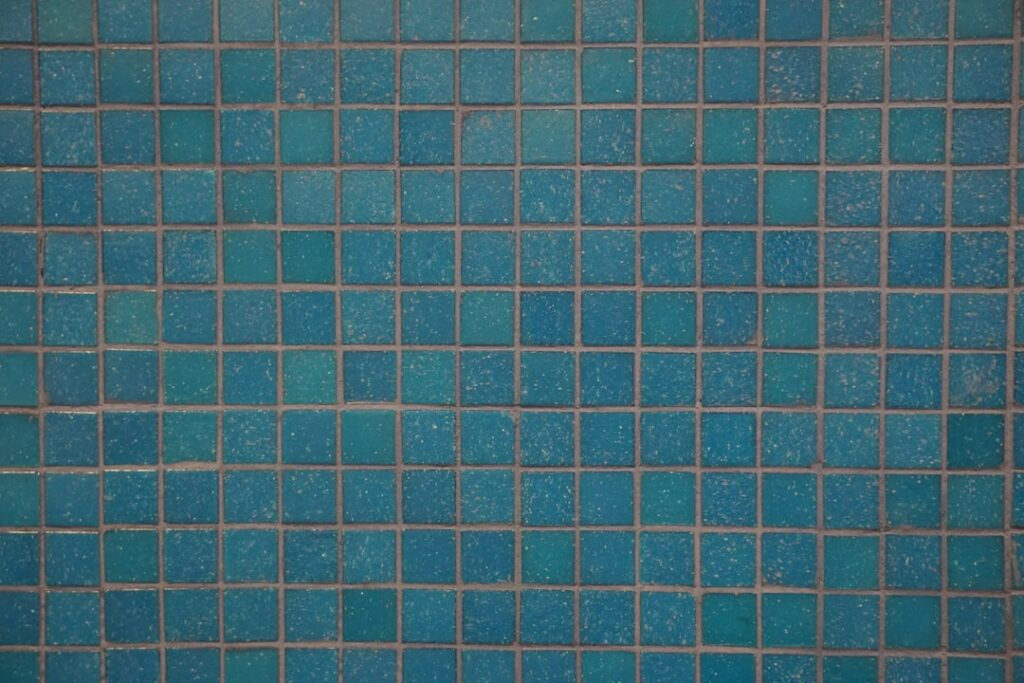
Nothing ages a tiled floor or backsplash faster than dingy, discolored grout, and ripping it all out is a filthy weekend most people would rather avoid. Tile grout paint, sometimes sold as grout colorant or grout renew, gives you a shortcut: a pigmented sealer that bonds to existing grout lines and restores a uniform, like-new color in a single afternoon. Done correctly, it also seals the grout against future staining, so you get cosmetic and functional benefits from one product. It will not fix crumbling or missing grout, but for grout that is intact yet ugly, it is the fastest fix available.
Part of our Tile & Grout guide — explore the full guide →
What Grout Paint Actually Is
Most grout paints are acrylic-based colorants engineered to penetrate the porous surface of cementitious grout. Unlike wall paint, which sits on top and peels, quality grout colorant chemically bonds and effectively re-dyes the grout while forming a protective seal. Brands like Polyblend Grout Renew, Miracle Sealants, and Tile Doctor sell in small bottles that cover a surprising amount of area, roughly 200 linear feet of narrow joints per 8-ounce bottle. Colors range from crisp bright white to charcoal and even bold accent shades if you want to change the look entirely, not just refresh it.
It is worth understanding the limitation up front. Grout paint works on sanded and unsanded cement grout. It does not adhere well to epoxy grout, which is non-porous, and it cannot rebuild grout that has washed out or cracked. If your joints are pitted below the tile surface or flaking away, you need to regrout those sections first, then color the whole floor for consistency.
Why Choose Paint Over Regrouting
The appeal is time, mess, and money. Regrouting means grinding out old grout with an oscillating tool or grout saw, vacuuming the dust, mixing and floating new grout, and waiting days to seal, an effort that can consume an entire weekend for one bathroom. Grout paint skips all of that. A typical backsplash takes two to three hours including dry time, and a full bathroom floor rarely exceeds half a day. The material cost is trivial, often under $15 for enough colorant to do a whole room, versus $50 to $100 in grout, blades, and sealer for a regrout job.
Preparing the Grout Lines
Preparation determines whether the color lasts two years or two months. Grout paint bonds to clean, bare grout, so any soap film, mildew, or old sealer must come off first. Scrub the joints with a stiff nylon brush and a strong alkaline cleaner or a fifty-fifty vinegar and water solution for lighter buildup. For mildew stains, an oxygen-bleach paste left to dwell for ten minutes lifts most discoloration. Rinse thoroughly and let the grout dry completely, ideally overnight, because trapped moisture prevents proper adhesion.
If the existing grout was sealed within the last year or two, the paint may struggle to penetrate. A light scuff with fine sandpaper or a second pass of alkaline cleaner opens the surface. Test an inconspicuous corner first to confirm the colorant is soaking in rather than beading up.
Step-by-Step Application
Work in a well-lit area and keep a damp rag and a bucket of clean water within reach. Shake the bottle thoroughly to blend the pigment. Dip a stiff-bristled applicator brush, an old toothbrush, or the dedicated brush some kits include, then work the paint into the grout line in short back-and-forth strokes. Coverage should be even and fully saturated; thin spots dry patchy. Do a two-foot section at a time so you can clean before the colorant sets.
Within about five minutes, wipe the excess off the tile faces with a damp cloth or sponge, rinsing frequently. On glazed tile the paint releases easily. On porous, unglazed, or textured tile like slate or tumbled stone, work faster and more carefully because the colorant can stain the tile itself. This is the single biggest reason to test first. Let the first coat cure for the time on the label, usually one to two hours, then apply a second coat if the color still looks uneven. Two thin coats always beat one heavy one.
Durability and What to Expect
Properly applied grout paint holds up for several years on walls and backsplashes, which see little abrasion. On floors, especially high-traffic entry and kitchen zones, expect it to wear at the tile edges over time and plan on a touch-up coat every two to three years. Because the colorant also seals, freshly painted grout resists coffee, wine, and grease far better than bare cement grout ever did. Keep it clean with a pH-neutral cleaner and avoid harsh acids, which strip the seal and pull color prematurely.
Common Mistakes to Avoid
The failures almost always trace back to prep. Painting over greasy or damp grout gives you a coating that flakes within weeks. Leaving excess on the tile too long, especially on textured surfaces, creates a haze that is miserable to remove once cured. Rushing between coats traps solvent and leaves a tacky finish. And attempting to paint over crumbling grout only highlights the damage. Slow down, clean thoroughly, and treat the two-foot-section rhythm as non-negotiable.
Choosing the Right Color
Color choice can either refresh the existing look or completely change the feel of a room. If your grout was originally a light gray or beige that has simply darkened and stained, matching that original tone brings the floor back to how it looked when new. If you want a more dramatic update, you can go bolder: a crisp bright white grout makes a white subway backsplash look clean and modern, while a dark charcoal grout on a lighter tile creates a striking, contemporary grid that hides future dirt exceptionally well. That last point is a practical bonus, because darker grout on floors disguises the traffic and staining that plague light-colored joints.
Before committing to a whole room, test your chosen color on a small hidden section and let it dry fully, since colorants often look different wet than cured. Hold the sample against the tile in your room’s actual lighting to be sure the contrast reads the way you want.
For grout that is structurally sound but simply tired and stained, tile grout paint is the highest-value cosmetic upgrade in the tile world. A $12 bottle and an afternoon can make a decade-old floor look freshly installed, and the sealing benefit means it stays that way longer than the original grout did.
Prefer to explore on your own?
See how new flooring looks in your actual room in seconds — free, no signup.
Try the free Floor Studio →