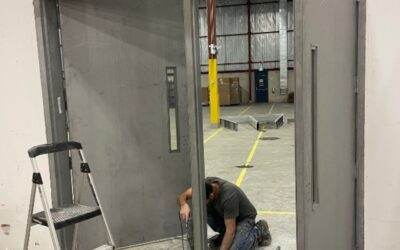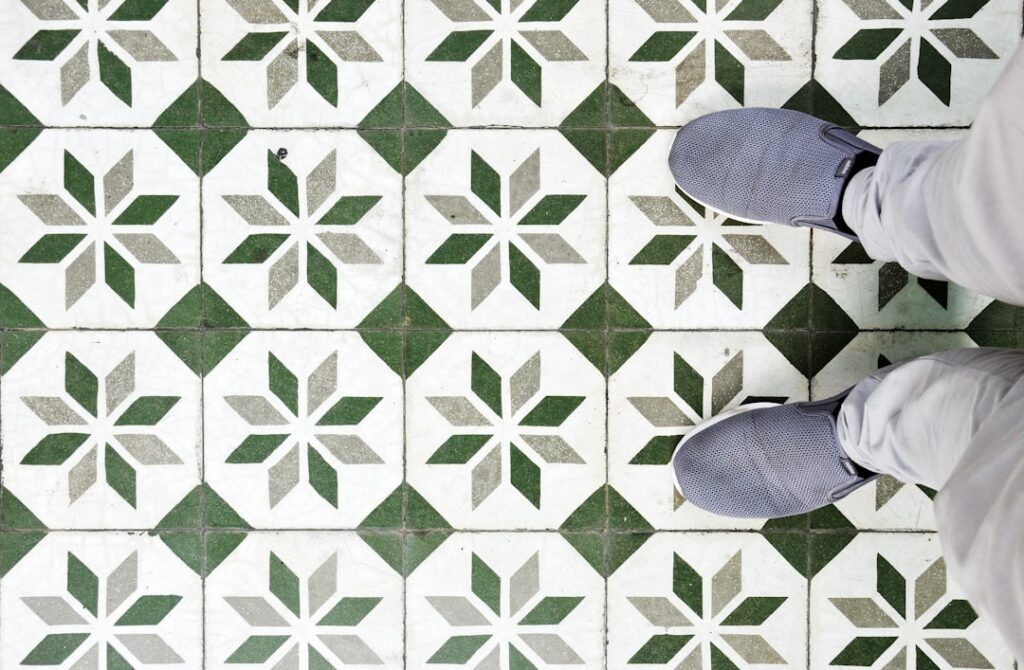
Hiring the right tile installation company is the difference between a floor that looks flawless for 20 years and one that cracks, lippages, and leaks within a season. Tile is unforgiving; a rushed or unskilled install shows every mistake permanently. This guide walks you through what these companies do, when to hire versus DIY, how to vet them properly, and what a fair quote actually includes.
Part of our Tile & Grout guide — explore the full guide →
Homeowners often assume any handyman can lay tile. In reality, quality tile work depends on substrate prep, proper thin-set coverage, precise layout, and correct movement joints. Those are skills that separate a $6-per-square-foot bargain from a rock-solid installation.
What a Tile Installation Company Does
A professional crew handles far more than sticking tile to a floor. Their work usually covers the full scope:
- Inspecting and preparing the substrate, including leveling and waterproofing
- Installing backer board or an uncoupling membrane where needed
- Planning the layout so cut tiles land in the least visible spots
- Setting tile with the correct trowel and full thin-set coverage
- Grouting, sealing, and installing trim, transitions, and caulk joints
The prep work is where good companies earn their money. A beautiful tile set over a flexing or uneven subfloor will crack within months no matter how straight the lines look on day one.
When to Hire vs. DIY
Small, flat projects like a simple backsplash or a laundry room floor are within reach for a patient DIYer with a wet saw. The math changes fast once you add complexity. Hire a company for showers and wet areas, large-format tile over 15 inches, natural stone, heated floors, or any job requiring waterproofing. A leaking shower pan that fails behind the wall can cost $5,000 or more to tear out and redo. That risk alone justifies a professional for bathrooms.
How to Find and Vet a Company
Start with referrals from neighbors, local tile showrooms, and online reviews that include project photos. Build a short list of three, then vet each one against these criteria before you let anyone into your home:
Licensing and Insurance
Confirm the company holds a current contractor license for your state and carries both general liability insurance and workers’ compensation. Ask for certificates directly from their insurer, not a photocopy. If an uninsured worker is hurt on your property, you can be held liable.
Certifications
Industry credentials signal real training. Look for installers certified by the CTEF (Certified Tile Installer program), membership in the NTCA (National Tile Contractors Association), and work that follows TCNA (Tile Council of North America) installation standards. These are not required by law, so a company that holds them has chosen to invest in doing the job correctly.
Portfolio and References
Ask to see completed jobs similar to yours, ideally in person or through detailed photos. Request three references from the past year and actually call them. Ask whether the crew showed up on time, stayed on budget, and cleaned up daily.
Questions to Ask Before You Hire
- Who exactly will be on my job, and are they employees or subcontractors?
- How will you prep and waterproof the substrate?
- What thin-set and grout brands do you use, and why?
- How do you handle tile that arrives damaged or short?
- What warranty do you offer on labor, and for how long?
- What is your timeline, and how do you handle delays?
Understanding Quotes and Pricing
What’s Included
Get at least three written quotes and read past the bottom line. A proper quote itemizes labor, materials, prep work, demolition and disposal of old flooring, and any substrate repairs. Watch for what is left out. A cheap bid often excludes waterproofing, leveling, or haul-away, then those items reappear as change orders once the job starts. The lowest number is rarely the lowest final cost.
Typical Labor Cost per Square Foot
Tile labor generally runs $5 to $15 per square foot, with the national average around $8 to $10. Straightforward floor tile in a large open room sits at the low end. Costs climb for smaller tile, intricate patterns like herringbone, natural stone, large-format tile that needs leveling clips, and shower walls with waterproofing. Add materials, and a full bathroom often lands between $2,000 and $6,000. Always price by the specific job, not a flat rate, since prep needs vary wildly between homes.
How Companies Structure Bids
Understanding how a company builds its number helps you compare apples to apples. Most price labor per square foot, then add line items for prep, waterproofing, and specialty work. A few charge a flat day rate for small jobs, typically $400 to $600 per installer per day. Ask whether their quote is fixed-price or an estimate that can move; a fixed-price contract shifts the risk of underestimating onto the contractor, which protects your budget. Also confirm how they handle overage tile, since you should buy 10 to 15 percent extra for cuts, breakage, and future repairs. Costs climb for small mosaic tile, diagonal or herringbone patterns, natural stone, demolition and disposal, and any subfloor leveling or membranes.
Red Flags to Watch For
- Demanding a large cash deposit upfront, over 30 to 50 percent
- No written contract or vague, one-line estimates
- No license, no proof of insurance, or reluctance to provide either
- Pressure to decide immediately or a price that “expires today”
- A bid dramatically lower than every other quote
- No references or an inability to show completed local work
Contracts, Deposits, and Timelines
Never proceed on a handshake. A solid contract spells out the scope, materials, total price, payment schedule, start and completion dates, and the labor warranty. A reasonable deposit is 10 to 30 percent, with the balance tied to milestones and a final payment only after you inspect the finished work. For a standard bathroom, expect three to five working days; larger floors can run one to two weeks including cure time for thin-set and grout.
Preparing for the Job
Clear the room of furniture and breakables, and confirm who moves appliances. Decide on tile, grout color, and layout before the crew arrives, since mid-job changes cost money and time. Plan for the space to be off-limits during cure periods, and arrange alternate bathroom or kitchen access if needed. Order all your tile at once from the same production lot so colors match, and keep a few spare boxes after the job for repairs down the road.
What Happens During Installation
Knowing the sequence helps you spot a crew cutting corners. A quality job starts with demolition and a thorough substrate inspection, then leveling and, in wet areas, a waterproofing membrane. Only after that dries do installers dry-lay the tile to finalize the layout and mark reference lines. Setting follows, with the installer back-buttering large tiles and checking coverage as they go. Grout comes a day later once the thin-set cures, and caulk fills the movement joints at walls and changes of plane. Rushing any of these stages, especially skipping the waterproofing or grouting too soon, is the hallmark of a company you should not have hired.
Final Thoughts
Choosing a tile installation company comes down to verified credentials, transparent quotes, and a detailed contract, not the lowest bid. Take time to vet licensing, insurance, and certifications, call references, and get everything in writing. The right tile installation company costs a bit more upfront but delivers a floor that stays flat, watertight, and beautiful for decades, which is exactly what tile should do.
Prefer to explore on your own?
See how new flooring looks in your actual room in seconds — free, no signup.
Try the free Floor Studio →