A tile scraper is the tool that turns one of the most grueling parts of a remodel, removing old tile and the rock-hard adhesive beneath it, into a manageable job. Whether you are pulling up a dated bathroom floor or stripping thinset off a subfloor, the right scraper saves your back, your knees, and hours of frustration. The category ranges from a simple hand blade to powerful electric machines, and choosing well depends entirely on the size of your project.
Part of our Tile & Grout guide — explore the full guide →
What a Tile Scraper Does
Tile removal is really two jobs. First you break and lift the tiles themselves, then you clear the layer of dried thinset, mastic, or adhesive that bonds them to the floor. That second job is the hard one. A tile scraper uses a sharp, stiff blade driven at a low angle to shear adhesive and stubborn tile fragments off the substrate. Doing this with a basic putty knife is possible but painfully slow; a purpose-built scraper makes the difference between an afternoon and a weekend.
Manual Tile Scrapers
Hand tools are the right choice for small areas, detail work, and tight spots:
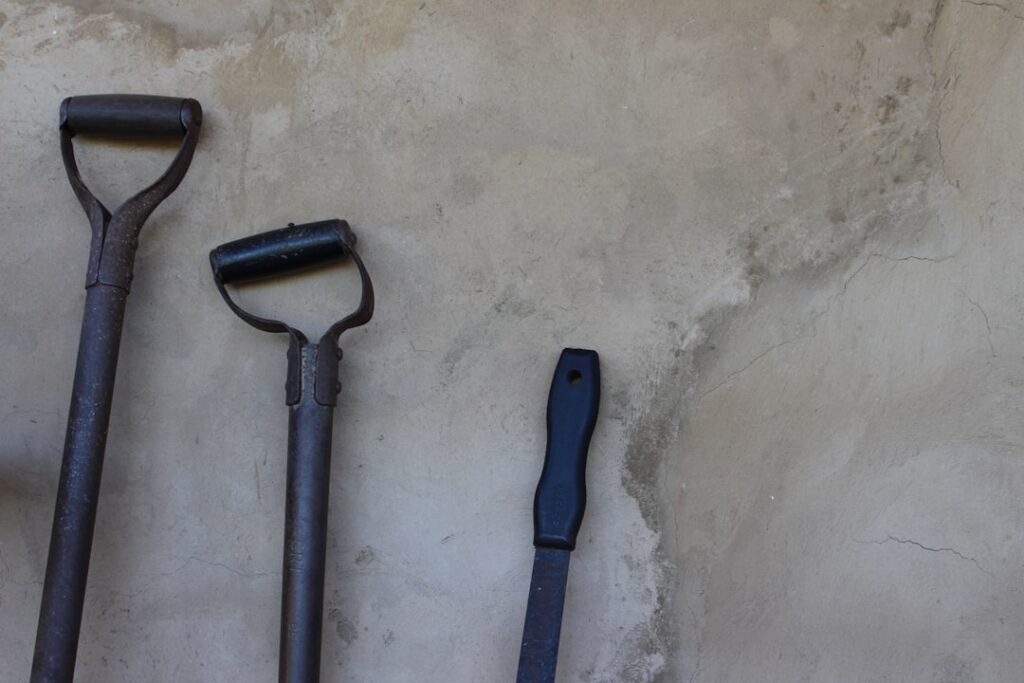
- Floor scrapers with long handles: A wide blade on a long pole lets you push or pull adhesive off the floor while standing, sparing your back.
- Hand scrapers and stiff putty knives: Short tools for corners, edges, and small repairs.
- Heavy-duty pry-bar scrapers: Built to take hammer blows for lifting bonded tiles.
A long-handled floor scraper with replaceable blades is the most versatile manual tool, and for a single small bathroom it may be all you need.
Powered Tile Scrapers
For larger floors, manual scraping becomes exhausting, and powered tools earn their cost:
- Oscillating multi-tools with a scraper blade handle detail work and adhesive in tight areas.
- Electric demolition hammers fitted with a wide tile-scraper chisel power through bonded tile and thinset fast.
- Walk-behind power scrapers are rentable machines for stripping large areas of flooring quickly.
For a whole-room or larger project, renting a demolition hammer with a scraper attachment, or a walk-behind machine, is far easier than hours of hand work. Tool rental is usually cheaper than buying for a one-time job.
Choosing and Maintaining Blades
The blade does the work, and a dull one makes everything harder. Use a stiff, sharp blade matched to the job, wide for open floor and narrow for detail. Replaceable-blade scrapers let you swap in a fresh edge the moment cutting slows, which is safer and faster than fighting a worn blade. Keep spare blades on hand for any sizable project. After use, wipe blades clean and dry to prevent rust, and store them covered so the edges stay sharp and nobody gets cut reaching into the toolbox.
Technique That Works
A few methods make scraping go faster:
- Keep the blade at a low angle to the floor so it shears under the adhesive rather than digging in.
- Get under an edge and work from there; once you lift a starting point, the rest peels more easily.
- Let weight and leverage do the work, using a long handle to push with your body rather than your arms.
- Dampen stubborn adhesive in some cases to soften it, though check that water will not harm the subfloor.
Safety First
Tile removal throws sharp shards and creates dust, so gear up. Wear safety glasses to protect against flying chips, heavy gloves to guard against the sharp blade and broken tile, and knee pads for floor work. A dust mask or respirator is important, because old tile mortar and some adhesives can release harmful dust; if your home is old, be cautious about asbestos-containing flooring and adhesives and have suspect material tested before disturbing it. Keep the sharp blade pointed away from your body, and never put your free hand in front of the cutting edge.
What a Tile Scraper Costs
Manual scrapers are inexpensive, generally $15 to $50 for a quality long-handled floor scraper with blades. Oscillating multi-tools run $50 to $200. Renting a demolition hammer or walk-behind power scraper typically costs $40 to $100 per day, which is the economical route for large one-time jobs.
Choosing Between Buying and Renting
For a small repair or a single bathroom, buying an inexpensive long-handled hand scraper makes sense, since you may reuse it on other projects and it stores easily. For a whole room or a large floor, renting a power scraper or demolition hammer is the smarter move. The day-rate rental usually costs less than buying a powered tool you will use once, and it spares you hours of exhausting manual labor. If you already own an oscillating multi-tool, a scraper blade attachment is a cheap add-on that handles edges and detail work well. Match the investment to the size of the job and you will not overspend or underequip.
Final Thoughts
Step-by-Step Tile and Adhesive Removal
Knowing the order of operations makes the whole job smoother. A typical removal goes like this:
- Clear and protect the room, removing furniture and covering anything that must stay against dust.
- Break out the first tiles by getting under an edge with a chisel or pry bar, which gives you a starting point.
- Work across the floor, lifting tiles and tossing debris into a sturdy bucket as you go.
- Switch to the scraper to clear the bed of thinset or mastic left behind, holding the blade low to shear it off.
- Knock down high spots and ridges so the substrate is flat enough for the next floor.
- Vacuum and clean the surface thoroughly before installing new flooring.
The adhesive-clearing stage is where most of the time and effort goes, so this is where a sharp blade and, for larger floors, a powered scraper pay off the most. Take your time getting the substrate clean and level, because new tile or flooring will telegraph any leftover bumps.
A tile scraper is the key to the toughest stage of any tile removal, clearing old adhesive off the substrate. Match the tool to the job, hand scrapers for small areas and powered or rented machines for large floors, keep a sharp blade in the holder, and work at a low angle with leverage on your side. Gear up with eye, hand, and lung protection, and the job that everyone dreads becomes genuinely doable.
Prefer to explore on your own?
See how new flooring looks in your actual room in seconds — free, no signup.
Try the free Floor Studio →