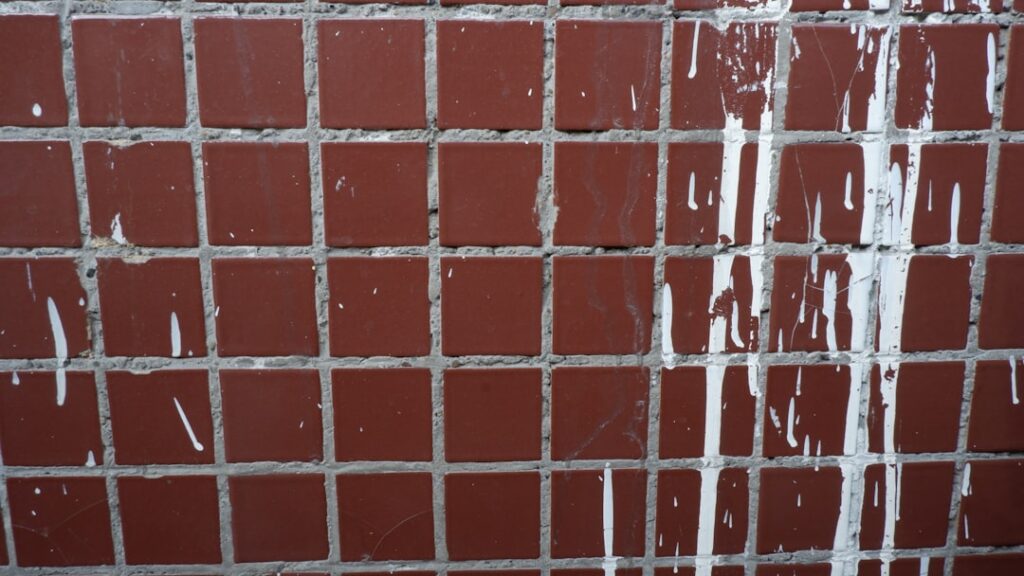
Few things ruin the look of an otherwise clean bathroom or kitchen faster than a stubborn tile stain that refuses to scrub away. Whether it is a rust ring under a shampoo bottle, greasy splatter behind the stove, or a shadowy mildew patch in the shower, the right removal method depends entirely on what caused the mark and what your tile is made of. Attack it wrong and you can etch the surface or set the stain permanently.
Part of our Tile & Grout guide — explore the full guide →
This guide breaks down the most common stain types, the safest products for each, and a step-by-step approach that protects both glazed tile and porous natural stone. With the correct match of cleaner to problem, most discoloration lifts in a single treatment.
Identify the Stain Before You Scrub
Guessing wastes time and can make things worse. Take a moment to diagnose what you are dealing with, because organic, mineral, and oil-based stains each respond to completely different chemistry.
- Organic stains (mildew, mold, coffee, food) look dark or fuzzy and respond to oxygen bleach or hydrogen peroxide.
- Mineral stains (hard water, lime, rust) leave white crust or orange rings and need acidic cleaners.
- Oil and grease stains look darkened and greasy and require a degreaser or an absorbent poultice.
Also identify your tile. Glazed ceramic and porcelain have a hard, non-porous surface that tolerates most cleaners. Natural stone like marble, travertine, and slate is porous and acid-sensitive, so vinegar or rust removers can etch it permanently.
A quick water test tells you how porous a surface is. Drop a small amount of water on the tile and watch what happens: if it beads up, the surface is sealed or non-porous and can handle stronger cleaners; if it soaks in and darkens the tile within a minute or two, the material is porous and thirsty, which means it will just as readily drink up any harsh chemical you apply. Porous surfaces almost always call for a poultice rather than a spray-and-scrub approach.
Removing Hard Water and Mineral Stains
Cloudy white film and chalky rings come from calcium and magnesium left behind as water evaporates, especially in showers and around faucets. On glazed ceramic and porcelain, distilled white vinegar is your cheapest weapon. Spray it on, let it dwell for 10 to 15 minutes to dissolve the deposits, then scrub with a nylon brush and rinse.
For heavier buildup, a commercial lime-and-scale remover works faster. Never use vinegar or acidic descalers on marble, travertine, or other calcium-based stone; the acid dissolves the surface and leaves a dull etched patch that is worse than the original stain. On stone, use a pH-neutral stone cleaner and a plastic scraper instead.
Tackling Rust Stains
Orange and brown rust marks come from metal cans, razors, or iron in the water supply. On ceramic and porcelain, a dedicated rust remover containing oxalic acid works quickly; apply, wait a few minutes, and rinse thoroughly. A paste of lemon juice and salt is a gentler home remedy for light rust on glazed surfaces.
Stone demands extra caution. Acidic rust removers will etch marble, so buy a rust remover labeled safe for natural stone and always test it in a hidden corner first. Deep rust that has penetrated porous stone may need a specialized poultice left in place for 24 to 48 hours to draw the stain up and out of the tile body.
Cutting Through Grease and Oil
Kitchen backsplashes and floors collect a film of airborne cooking grease that dulls the finish and grabs dirt. A hot solution of dish soap and water breaks down light grease; for baked-on buildup, spray a degreaser or a paste of baking soda and water, let it sit for 10 minutes, then scrub with a non-scratch pad.
Oil that has soaked into unsealed stone needs a poultice. Mix baking soda or diatomaceous earth with a little water into a peanut-butter consistency, spread it over the stain about a quarter inch thick, cover with plastic wrap, and tape the edges. As it dries over a day or two, it pulls the oil out of the stone. Scrape it off and repeat if a shadow remains.
Beating Mildew and Mold
Dark spotting in shower corners and along caulk lines is almost always mildew feeding on soap scum and moisture. On glazed tile, spray a solution of one part bleach to four parts water, or an oxygen-bleach cleaner for a gentler option, let it dwell for 10 minutes, then scrub and rinse. Hydrogen peroxide is a lower-odor alternative that works well on lighter growth.
Ventilation prevents recurrence. Run the bathroom fan during and after showers, squeegee the walls, and reseal grout annually. If mildew keeps returning through the same caulk line, the caulk itself is saturated; cut it out and replace it rather than fighting an endless battle.
Never mix bleach with any product containing ammonia or acid, including many all-purpose and glass cleaners, because the combination releases toxic chloramine gas. Work in a ventilated space, wear gloves, and rinse the surface fully before switching to a different cleaner. This is especially important in a small enclosed bathroom where fumes concentrate quickly.
Don’t Forget the Grout
Often what reads as a tile stain is actually discolored grout, the porous cement between tiles that absorbs everything. Scrub grout lines with a stiff brush and a baking-soda paste or an oxygen-bleach solution, working it into the joint and letting it sit before rinsing.
For grout that is stained beyond cleaning, a grout colorant or grout pen can restore a uniform look, and sealing the grout afterward keeps future stains from soaking in. Reseal cement grout every one to two years in wet areas to keep it stain-resistant and easier to wipe clean.
Avoid steel wool and abrasive powders on grout, since the metal fibers can lodge in the joint and rust while gritty scrubs open up the surface and make it absorb stains faster. A stiff nylon brush, an old toothbrush for tight corners, and a little patience deliver better results without damaging the joint. If a whole floor of grout looks gray and tired, consider a professional steam extraction, which lifts embedded grime that hand-scrubbing leaves behind.
Prevention and Ongoing Care
Stopping stains before they start beats any removal method. A few simple habits go a long way:
- Wipe up spills promptly, especially acidic foods, wine, and coffee on stone.
- Seal natural stone and cement grout on schedule to reduce absorption.
- Squeegee showers and run ventilation to deny mildew the moisture it needs.
- Use coasters or trays under metal cans and toiletries to prevent rust rings.
When you do need to treat a fresh mark, always start with the mildest effective cleaner and test any acidic or bleaching product in an inconspicuous spot first. Matching the treatment to both the stain type and the tile material is the difference between a like-new surface and permanent damage, and with the approach above you can handle nearly any tile stain that shows up.
Prefer to explore on your own?
See how new flooring looks in your actual room in seconds — free, no signup.
Try the free Floor Studio →