
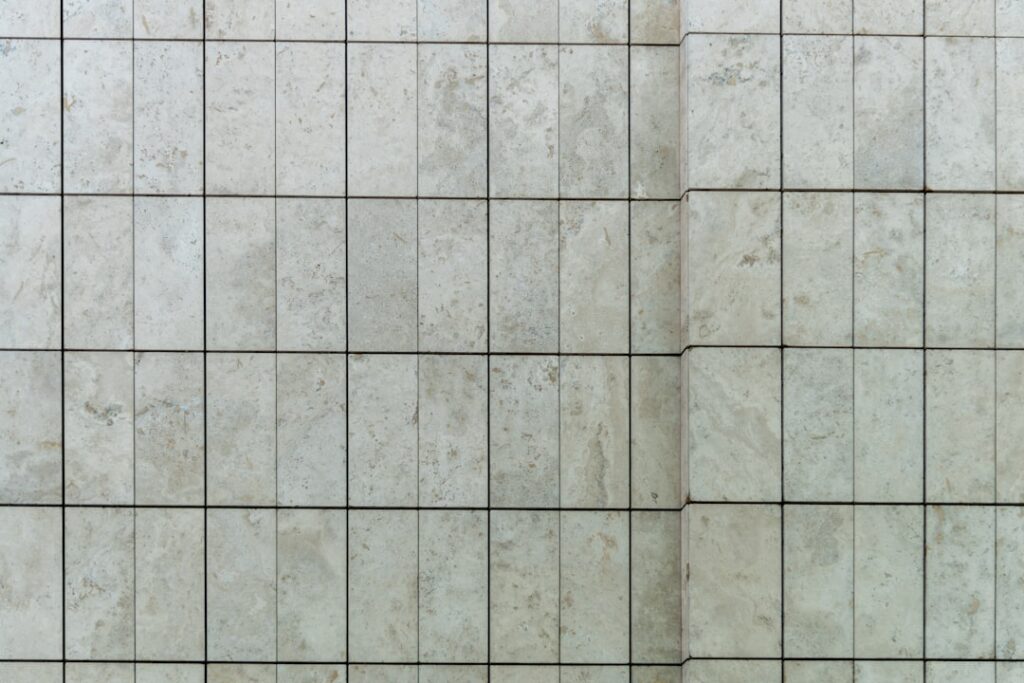
Tile looks tough, but the grit that collects in grout lines is quietly grinding away at your floor every time you walk across it. A good tile vacuum cleaner is the single most effective tool for pulling that abrasive debris out of the joints before it dulls the finish, and it does the job far better than a broom that just skips fine dust from line to line. Whether you have glazed porcelain, natural stone, or a textured slate floor, choosing the right vacuum, and using the right settings, makes the difference between a floor that stays crisp and one that looks tired in a few years.
Part of our Tile & Grout guide — explore the full guide →
Why Tile Needs a Specific Approach
Tile presents challenges a carpet-focused vacuum was never designed for. The hard surface offers no give, so aggressive beater bars can chip glaze or fling debris rather than lift it. Grout lines sit slightly recessed, trapping sand and dust that a flat suction path misses. And textured or natural stone tile has micro-crevices that hold grit. The best tile vacuum cleaner addresses all three: strong suction to pull debris from recessed grout, a design that will not scratch, and a nozzle or brush that reaches into texture.
Key Features to Look For
Not every vacuum handles tile well. These are the features that separate a good tile cleaner from a floor-scratcher.
- Hard-floor mode or brush-roll shutoff: The ability to disable or soften the beater bar prevents scratches and lets suction do the work.
- Strong, sealed suction: High airflow pulls fine sand out of grout lines that a soft brush alone would leave behind.
- Soft-bristle or felt roller: Many modern floor heads use a soft roller that is safe on glaze and effective on fine dust.
- Rubber wheels: Hard plastic wheels can leave marks; rubberized wheels roll safely over tile.
- Good filtration (HEPA): Tile floors show dust fast, and a sealed HEPA system keeps fine particles from blowing back out.
- Maneuverable, low-profile head: Reaching under cabinet toe-kicks and into corners matters on open tile floors.
Types of Tile Vacuum Cleaners
Several formats work well on tile, and the right one depends on your floor size and habits.
Cordless Stick Vacuums
Lightweight cordless sticks with a hard-floor roller are the most popular choice for tile today. They are quick to grab for daily dust, glide easily across hard surfaces, and many convert to a handheld for edges. Look for models with a dedicated hard-floor head and enough runtime for your square footage.
Canister Vacuums
Canister vacuums pair powerful suction with a separate hard-floor nozzle, often a soft-bristle parquet brush that is gentle and thorough. They excel on large tile areas and stairs and are a favorite for anyone who wants maximum suction without a heavy upright.
Robot Vacuums
A robot vacuum with hard-floor detection handles daily maintenance dust automatically, which keeps grit from accumulating between deeper cleans. Many now combine vacuuming with a mopping pad, useful for glazed tile.
Wet/Dry and Vacuum-Mop Combos
Vacuum-mop combo machines suck up debris and wash the floor in one pass, which suits sealed porcelain and ceramic well. Avoid excess water on unsealed natural stone.
What to Avoid
A few common mistakes damage tile or leave it dirtier than before. Never run a full-strength beater bar on delicate glaze or handmade tile, since stiff bristles can scratch or scuff. Skip hard plastic wheels on soft glazed surfaces. Do not use a soaking-wet mop or steam on unsealed stone or on grout that has lost its sealer, because water infiltrates and breeds mildew. And avoid vacuums with weak suction that only skim the surface; the whole point is to extract grit from the grout, not glide over it.
How to Vacuum Tile Floors the Right Way
Technique matters as much as the machine. Follow these steps for a genuinely clean floor.
- Switch to hard-floor mode first. Disable or soften the brush roll before you start.
- Vacuum along the grout lines. Run the head in the direction of the grout joints so suction pulls debris up out of the recesses.
- Do edges and corners with the crevice tool. Grit collects at baseboards and cabinet kicks where the main head cannot reach.
- Vacuum before you mop, always. Mopping first just turns loose grit into gritty mud smeared across the floor.
- Empty and clean the filter regularly. Fine tile dust clogs filters fast and kills suction.
Vacuum, Then Mop
The most important habit is sequencing. Dry debris removal comes first, wet cleaning second. Vacuuming lifts the abrasive sand and dust that would otherwise scratch the floor and cloud your mop water. Only after the floor is grit-free should you follow with a pH-neutral tile cleaner and a damp microfiber mop. For sealed porcelain and ceramic, a vacuum-mop combo can do both jobs at once; for natural stone, keep water use minimal and stick to a stone-safe cleaner.
Matching the Vacuum to Your Tile Type
Different tile surfaces reward different approaches, so it pays to consider what is actually on your floor. Smooth glazed porcelain and ceramic are the easiest to clean and tolerate almost any hard-floor vacuum, including vacuum-mop combos that add a wet pass. Textured or slate-look tile has micro-crevices that hold grit, so prioritize strong suction and a soft roller that can agitate the surface without scratching.
Natural stone, such as marble or travertine, demands the most caution. Avoid steam and keep water use minimal, because moisture penetrates unsealed or worn-sealed stone and causes staining and mildew. For stone, a dry vacuum with a soft parquet brush is safer than an aggressive combo mopping unit. And for large-format tile with wide, deep grout lines, make sure the vacuum head can straddle the joints and that you run it along the grout direction so suction actually reaches into the recesses where debris collects.
Maintenance Habits That Extend Your Vacuum’s Life
A tile vacuum only performs as well as you maintain it, and fine tile dust is unusually hard on machines. Empty the dust bin frequently rather than letting it pack full, because a full bin chokes airflow and drops suction right when you need it in the grout lines. Wash or replace filters on the schedule the manufacturer recommends, since clogged filters are the single most common reason a vacuum loses power on hard floors.
Check the roller and axle for hair and thread wrap after each use, especially in homes with pets or long hair, because a tangled roller drags and can scuff the floor. On cordless models, follow good battery habits by not storing the unit fully drained for long periods. And periodically wipe down the soft roller or brush and let it dry fully, so you are not pushing a damp, dirty roller across a clean floor. These small habits keep suction strong and prevent the machine from becoming the thing that spreads grit rather than removing it.
Choosing the Right One for You
If you want a single recommendation, a quality cordless stick vacuum with a dedicated hard-floor roller, rubber wheels, and strong sealed suction covers most homes with tile beautifully. Add a robot vacuum for daily maintenance if you hate chasing dust, or step up to a canister with a soft parquet brush if you have large tile areas and want the deepest clean. Whatever you choose, prioritize suction strength and a scratch-safe head over gimmicks. The best tile vacuum cleaner is the one that clears your grout lines completely and that you will actually reach for often, because consistent grit removal is what keeps a tile floor looking new for the long haul.
Prefer to explore on your own?
See how new flooring looks in your actual room in seconds — free, no signup.
Try the free Floor Studio →

