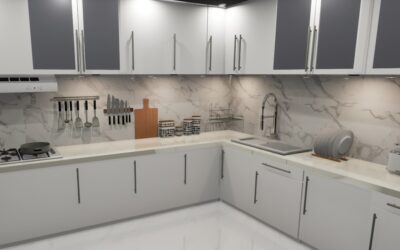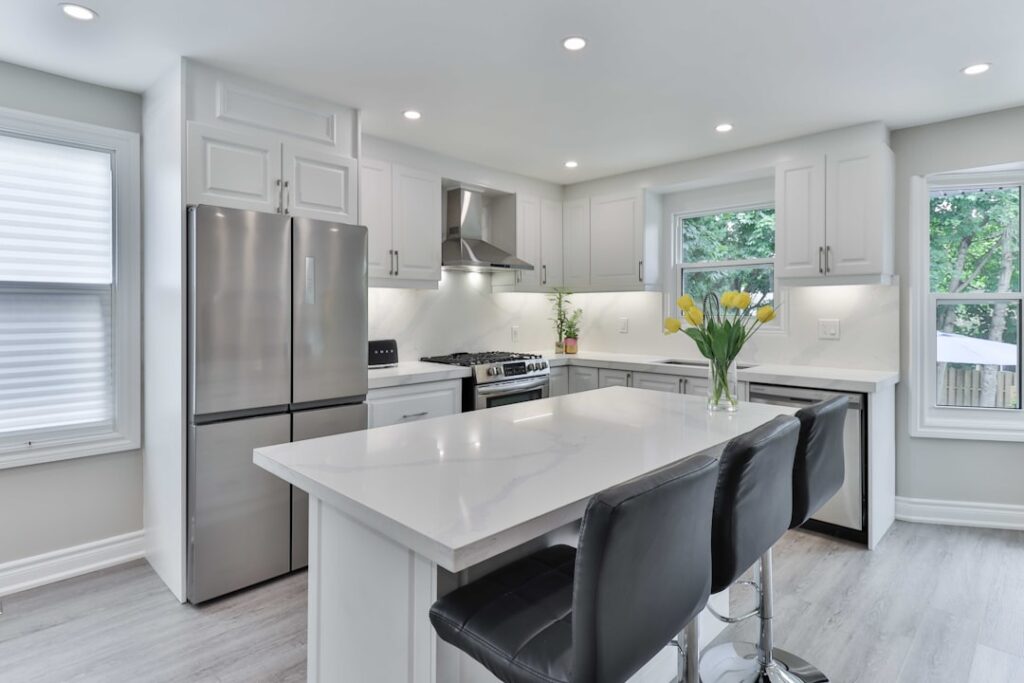
Trendy kitchens age like milk. What looks magazine-fresh in 2024 often reads as dated by 2032, and a full kitchen remodel costs $40,000 to $90,000, meaning every choice should last at least 20 years. Building a timeless kitchen means selecting materials, layouts, and colors that have held up across decades of design history rather than chasing the latest social media trend. This guide covers the specific choices that date gracefully and the trendy options worth avoiding.
Part of our Kitchen Remodeling guide — explore the full guide →
- The Principles Behind Timeless Design
- Cabinet Style That Endures
- Countertops That Last Decades
- Backsplash Choices for the Long Term
- Flooring That Stands the Test of Time
- Layout Principles That Age Well
- Lighting That Won’t Feel Dated
- Colors That Age Gracefully
- Appliances and Fixtures Worth the Investment
The Principles Behind Timeless Design
Timeless kitchens share three traits: classic proportions, quality natural materials, and restrained color palettes. Shaker cabinet doors, subway tile backsplashes, and neutral wall colors appear in kitchens from 1920 through today because the design principles behind them do not depend on a specific era.
Trendy elements include bold cabinet colors, novel hardware shapes, and strong pattern flooring. These create immediate visual interest but anchor a kitchen to a specific decade. A kitchen with 2015 copper farmhouse fixtures and chevron herringbone wood-look tile reads as dated today. The same kitchen with brushed nickel and subway tile would still feel current.
Cabinet Style That Endures
Shaker cabinets remain the safest long-term choice. The flat center panel with four-inch rail and stile frame has been standard since the 18th century and shows no signs of fading from popularity. White, warm white, and medium-warm gray Shakers all age well.
Avoid heavily detailed cabinet styles (elaborate routing, glazed finishes, scalloped valances) which date quickly. Also avoid completely flat slab doors in high-contrast colors, which scream a specific decade. For hardware, unlacquered brass, oil-rubbed bronze, or brushed nickel in simple bar or knob shapes outlast every novelty finish introduced in the last 20 years.
Countertops That Last Decades
Natural stone is the ultimate timeless countertop. Honed marble, soapstone, and granite in muted patterns have appeared in high-end kitchens for centuries. Quartz surfaces with subtle vein patterns (like Cambria Brittanicca Warm or Caesarstone Calacatta Nuvo) deliver similar looks with more durability.
Avoid bold-pattern quartz with dramatic veining that mimics Calacatta Gold marble. These read as very specific to the 2020s trend cycle. Dark uniform granites like Absolute Black and Uba Tuba were popular 15 years ago and now signal an early-2000s kitchen. Solid colors and subtle patterns outlast bold ones every time.
Backsplash Choices for the Long Term
White subway tile in a 3 by 6-inch size has been the default kitchen backsplash since 1904 when it was first used in the New York City subway system. It is nearly impossible to date a kitchen with white subway tile because it has never gone out of style long enough to become retro.
Small-format hex tile, simple geometric mosaics, and marble slab backsplashes also hold up well over time. Avoid bold patterned cement tile, glass mosaic strips, and stacked stone, all of which have clearly identifiable decade associations. If you want interest beyond plain subway, try the zellige tile from Clé Tile ($15 to $30 per square foot) in cream or white. The handmade variation reads as timeless artisan rather than trendy.
Flooring That Stands the Test of Time
Solid hardwood in oak, walnut, or hickory in planks 5 inches wide or wider never looks dated. Medium tones with natural finish age better than heavy stains, which read as specific to the decade in which they were popular. Gray-washed hardwoods from 2015-2020 are already aging poorly.
For tile, large-format porcelain in stone looks (like limestone or travertine) with minimal veining pattern reads as classic. Avoid wood-look tile unless you commit to neutral medium tones and straight stack layout. Chevron and herringbone tile flooring is currently trendy but will likely look dated within 10 years. Straight layouts outlast pattern layouts.
Layout Principles That Age Well
The classic kitchen work triangle (sink, range, refrigerator within 4 to 9 feet of each other) has guided efficient kitchen design for 75 years and still works. Open-concept kitchens with large islands remain popular and probably will continue to be. Closed galley kitchens with no island also work for smaller spaces and do not look dated when well-executed.
Avoid ultra-narrow islands (under 36 inches wide), which became a fad in the late 2010s and cramped workflow. Also avoid elevated bar counters (a 42-inch raised section on a 36-inch main counter), which peaked in 2005 and now look clearly dated. Single-level islands at 36 inches, extending generously to seat 3 or more people, hold up as the preferred configuration.
Lighting That Won’t Feel Dated
Recessed can lights on dimmers, pendant lights over the island, and undercabinet LED strip lighting form the timeless lighting package. The specific pendant fixture style can be updated every 15 years without changing the overall lighting plan, since it requires only a fixture swap rather than rewiring.
Avoid very specific decorative fixtures like Edison bulb chandeliers, oversized rope-wrapped drum pendants, or industrial pipe fixtures with visible conduit. These trends cycle in and out. A simple white drum pendant or glass bell jar shape lasts decades. For material, choose raw brass, matte black, or oil-rubbed bronze over polished chrome or polished brass.
Colors That Age Gracefully
Warm white walls (Benjamin Moore White Dove, Sherwin-Williams Alabaster) and Shaker cabinets in white or warm white survive every color trend cycle. A secondary accent color on an island or pantry (sage green, navy, or dusty black) adds personality without committing the entire kitchen to a single era.
Avoid painting cabinets in trendy bold colors like emerald green or terracotta orange. What feels bold and fresh today will feel dated within a decade. Keep bold color to items you can change easily: barstool upholstery, runner rugs, dish towels, and small appliances. These cost hundreds rather than thousands to refresh every 5 to 7 years.
Appliances and Fixtures Worth the Investment
Professional-style stainless steel appliances from brands like Wolf, Sub-Zero, Miele, and Thermador have kept their look for 40 years because they focus on clean lines and functional design. A $6,000 Wolf range looks equally current in 2005 and 2030 because nothing about its styling ties to a specific decade.
Avoid colored appliances (red ranges, mint green refrigerators) and unusual finishes like obsidian or slate, which manufacturers push for 3 to 5 years and then drop. Stainless steel, white, and panel-ready options all endure. Fixtures in brushed nickel, unlacquered brass, or chrome with simple lines last far longer than anything with elaborate styling or trendy finishes like matte gold.