
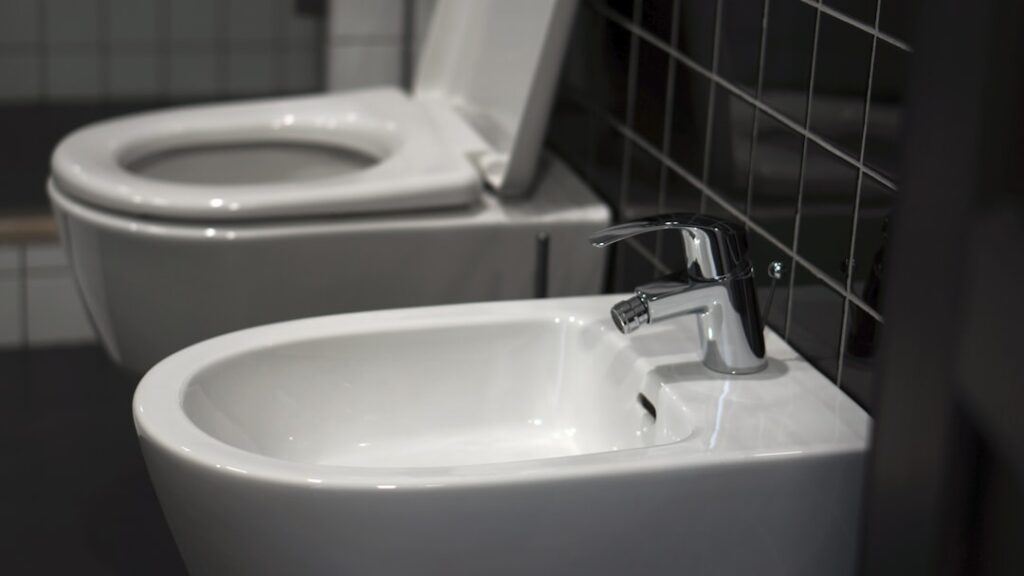
A toilet repair doesn’t have to mean calling a plumber and paying $150-$300 for a service call. Most toilet problems are caused by a handful of inexpensive, easily replaceable parts inside the tank. With basic tools and 15-60 minutes, you can fix a running toilet, stop a leak, clear a stubborn clog, and restore a weak flush without any plumbing experience.
This guide walks you through diagnosing the problem, sourcing the right parts, and completing the repair step by step. We cover every common toilet issue homeowners face, with honest guidance on when a DIY fix is practical and when it’s time to call a professional.
- How a Toilet Works (Quick Overview)
- Diagnose Your Toilet Problem
- Fix: Running Toilet
- Fix: Weak or Incomplete Flush
- Fix: Clogged Toilet
- Fix: Leaking at the Base
- Fix: Leaking Between Tank and Bowl
- Fix: Phantom Flush (Ghost Flushing)
- Fix: Slow or Noisy Fill
- Replacement Parts Cost Guide
- When to Call a Plumber
- Frequently Asked Questions
How a Toilet Works (Quick Overview)
Understanding the basic mechanics makes every repair easier. A standard toilet has two main assemblies inside the tank:
- Flush valve: A rubber flapper (or canister-style valve) at the bottom of the tank. When you press the handle, a chain lifts the flapper, releasing water into the bowl to create the flush. The flapper closes when the tank empties.
- Fill valve: Located on the left side of the tank (usually), the fill valve refills the tank with fresh water after a flush. A float mechanism tells it when to stop filling once the water reaches the correct level (typically marked on the inside of the tank).
That’s essentially it. Nearly every toilet problem traces back to one of these two assemblies or the wax ring seal between the toilet base and the drain flange in the floor.
Diagnose Your Toilet Problem
| Symptom | Likely Cause | Difficulty | Parts Cost |
|---|---|---|---|
| Toilet runs constantly | Worn flapper or faulty fill valve | Easy | $5 – $15 |
| Weak or partial flush | Low water level, clogged rim jets | Easy | $0 – $10 |
| Toilet won’t flush at all | Broken handle, disconnected chain | Easy | $5 – $15 |
| Clogged/backed up | Obstruction in trap or drain | Easy-Medium | $10 – $30 (tools) |
| Water leaking at base | Failed wax ring seal | Medium | $5 – $15 |
| Water between tank & bowl | Worn tank-to-bowl gasket | Medium | $10 – $20 |
| Phantom flushing | Slow flapper leak | Easy | $5 – $10 |
| Slow/noisy fill | Debris in fill valve or failing valve | Easy | $8 – $15 |
| Toilet rocks on floor | Loose bolts or uneven floor | Easy-Medium | $0 – $10 |
Fix: Running Toilet
A running toilet wastes 200+ gallons of water per day and can add $50-$100/month to your water bill. This is the most common toilet repair and one of the easiest.
Step 1: Check the Flapper
Remove the tank lid and look at the rubber flapper at the bottom. Flush the toilet and watch the flapper. Does it seat completely and stop the water flow? If water continues trickling past, the flapper is worn.
The food coloring test: Add 5-10 drops of food coloring to the tank water. Wait 15 minutes without flushing. If colored water appears in the bowl, the flapper is leaking.
Step 2: Replace the Flapper ($5-$10)
- Turn off the water supply valve (clockwise, located behind the toilet near the floor).
- Flush to empty the tank.
- Unhook the old flapper from the overflow tube ears and disconnect the chain from the flush lever.
- Take the old flapper to the hardware store to match the size (2-inch or 3-inch are most common).
- Hook the new flapper onto the overflow tube ears.
- Connect the chain to the flush lever, leaving about 1/2 inch of slack.
- Turn the water back on and test.
Step 3: If the Flapper Isn’t the Problem, Check the Fill Valve
If the flapper is fine but water still runs, the fill valve may be overfilling the tank. Water should stop about 1 inch below the top of the overflow tube. Adjust the float (clip on the fill valve shaft or adjustment screw on top) to lower the water level.
If the fill valve won’t shut off at all, replace it entirely ($8-$15). See the fill valve replacement section below.
Fix: Weak or Incomplete Flush
Check the Water Level
The tank water level should reach the manufacturer’s fill line (usually 1 inch below the overflow tube). If it’s low, the flush won’t have enough force. Adjust the float upward to raise the water level.
Clean the Rim Jets
Small holes under the toilet bowl rim direct water into the bowl during a flush. Over time, mineral deposits clog these jets, reducing flush power. Use a small mirror to inspect them, then clear deposits with a stiff wire (a straightened paper clip works well) and white vinegar.
For a deep clean: Plug the rim jets with plumber’s putty, pour white vinegar into the overflow tube in the tank, and let it sit overnight. The vinegar dissolves mineral buildup from the inside out. Remove the putty and flush several times.
Check the Flapper Chain Length
If the chain is too long, the flapper closes too early, cutting the flush short. Shorten the chain so there’s only 1/2 inch of slack when the flapper is closed.
Fix: Clogged Toilet
Method 1: Plunger (Works 90% of the Time)
Use a flange plunger (the kind with an extended rubber lip), not a cup plunger (which is designed for sinks). Insert the plunger at an angle to fill it with water (not air), then create a seal over the drain opening. Push and pull vigorously for 15-20 seconds. Repeat 3-4 times. The push-pull action breaks up and moves the clog.
Method 2: Hot Water and Dish Soap
Pour 1/2 cup of dish soap into the bowl, then add a gallon of hot (not boiling) water from waist height. The soap lubricates the clog while the hot water helps dissolve it. Wait 15-20 minutes, then flush. This works well for organic clogs.
Method 3: Toilet Auger ($15-$30)
For stubborn clogs that a plunger can’t clear, a toilet auger (also called a closet auger) reaches 3-6 feet into the drain. Insert the auger end into the drain opening, crank the handle clockwise to extend the cable, and push through the clog. The rubber-coated tip protects the porcelain from scratching.
What NOT to Do
- Don’t use chemical drain cleaners: They rarely work on toilet clogs and can damage the wax ring and porcelain with repeated use.
- Don’t flush repeatedly when clogged: You risk overflowing the bowl. If the water level is high, wait 10 minutes for it to drop before plunging.
Fix: Leaking at the Base
Water pooling around the base of the toilet usually means the wax ring seal has failed. This is a medium-difficulty repair that takes 45-90 minutes.
You’ll need: New wax ring ($3-$8), new closet bolts ($3-$5), adjustable wrench, putty knife, towels.
- Turn off the water supply and flush the toilet to empty the tank.
- Sponge out any remaining water from the tank and bowl.
- Disconnect the water supply line from the fill valve.
- Remove the caps and nuts from the closet bolts at the base (one on each side).
- Rock the toilet gently to break the old wax seal, then lift the toilet straight up and set it on its side on a towel or cardboard.
- Scrape the old wax ring off both the toilet flange in the floor and the bottom of the toilet using a putty knife.
- Inspect the flange. If it’s cracked or broken, install a flange repair ring ($5-$15) before proceeding.
- Press a new wax ring onto the toilet outlet (bottom of the toilet), centering it.
- Lower the toilet straight down onto the flange, aligning the closet bolts with the holes in the toilet base.
- Press down firmly with your body weight to compress the wax ring. Do NOT rock the toilet or lift it back up once set.
- Tighten the closet bolt nuts alternately (left, right, left, right) until snug. Do not overtighten as porcelain cracks easily.
- Reconnect the water supply, turn on the water, and check for leaks.
While the toilet is removed, it’s a good opportunity to inspect your bathroom floor for any water damage beneath.
Fix: Leaking Between Tank and Bowl
Water dripping from where the tank meets the bowl means the tank-to-bowl gasket (also called a spud washer) needs replacement. This repair requires removing the tank.
- Turn off water and flush to empty the tank. Sponge out remaining water.
- Disconnect the water supply line.
- From underneath, unscrew the two or three tank bolts using an adjustable wrench (hold the bolt head inside the tank with a screwdriver to prevent spinning).
- Carefully lift the tank off the bowl.
- Remove the old gasket from the flush valve nut on the bottom of the tank.
- Install the new gasket, new tank bolts with rubber washers, and reassemble.
- Tighten tank bolts evenly (alternate sides) until the tank sits level and snug. Check that the tank doesn’t rock.
- Reconnect water, fill, and check for drips.
Cost: Tank-to-bowl gasket kits run $10-$20 and include the gasket, bolts, and washers.
Fix: Phantom Flush (Ghost Flushing)
If your toilet randomly “flushes” or you hear it refilling when no one has used it, the flapper is slowly leaking. The tank water level gradually drops until the fill valve kicks on to refill it. The fix is the same as for a running toilet: replace the flapper ($5-$10). See the running toilet section above.
Fix: Slow or Noisy Fill
A whistling, humming, or slowly filling toilet usually has a fill valve problem. Before replacing the whole valve, try cleaning it:
- Turn off the water supply.
- Remove the fill valve cap (twist counterclockwise on most models).
- Turn the water on briefly (hold a cup over the opening to prevent spraying) to flush debris.
- Replace the cap and test.
If cleaning doesn’t help, replace the entire fill valve. Universal fill valves like the Fluidmaster 400A ($8-$12) fit virtually all toilets.
- Turn off water and flush to empty the tank.
- Disconnect the water supply line from the bottom of the fill valve.
- Unscrew the fill valve lock nut from outside the tank (bottom).
- Pull the old fill valve out from inside the tank.
- Adjust the new fill valve height to match your tank (most are adjustable from 9-14 inches).
- Insert the new valve through the hole, hand-tighten the lock nut from underneath, then snug with pliers (quarter turn past hand-tight).
- Connect the water supply line.
- Attach the refill tube to the overflow tube.
- Turn on water and adjust the float to set the correct water level.
Replacement Parts Cost Guide
| Part | Cost | Lifespan | Difficulty to Replace |
|---|---|---|---|
| Flapper | $5 – $10 | 3-5 years | Easy (5 min) |
| Fill valve | $8 – $15 | 5-7 years | Easy (20 min) |
| Flush handle/lever | $8 – $20 | 10+ years | Easy (10 min) |
| Wax ring | $3 – $8 | 20-30 years | Medium (60 min) |
| Tank-to-bowl kit | $10 – $20 | 10-15 years | Medium (45 min) |
| Flush valve (complete) | $15 – $25 | 10-15 years | Medium (45 min) |
| Water supply line | $5 – $12 | 5-10 years | Easy (10 min) |
| Closet bolts | $3 – $5 | 20+ years | Medium (requires removing toilet) |
| Toilet seat | $15 – $60 | 5-10 years | Easy (10 min) |
| Complete rebuild kit | $20 – $35 | 5-7 years | Easy-Medium (30-45 min) |
Pro tip: If your toilet is more than 5 years old and you’re replacing one part, consider buying a complete rebuild kit ($20-$35) that includes a fill valve, flapper, flush lever, and all hardware. You’ll replace everything at once and won’t need to open the tank again for years.
When to Call a Plumber
Most toilet repairs are DIY-friendly, but these situations warrant a professional:
- Cracked toilet bowl or tank: No repair can fix cracked porcelain safely. Replacement costs $200-$600 including installation.
- Sewer line backup: If multiple drains in your home are slow or backing up, the problem is in the main sewer line, not the toilet. Professional drain cleaning costs $150-$400.
- Broken toilet flange: If the metal or PVC flange in the floor is severely damaged, a plumber may need to cut into the drain pipe. Expect $150-$300.
- Recurring clogs: Frequent clogs despite normal use may indicate a partially blocked drain line or incorrect toilet for your plumbing setup.
- Water damage to subfloor: If a long-term wax ring leak has damaged the floor structure beneath the toilet, you may need a carpenter as well as a plumber. For bathroom floor replacement options, see our vinyl flooring and tile flooring cost guides.
Average plumber costs for toilet repairs:
- Service call: $75-$150
- Running toilet repair: $100-$200
- Wax ring replacement: $150-$300
- New toilet installation: $200-$500 (plus cost of toilet)
- Clogged toilet (auger): $100-$250
Frequently Asked Questions
Why does my toilet keep running after I flush?
In 95% of cases, a running toilet is caused by a worn flapper that no longer seals properly. The rubber degrades over time (especially in areas with chlorinated water) and allows water to trickle from the tank into the bowl. Replacing the flapper ($5-$10, 5-minute job) fixes this immediately. If the flapper is fine, the fill valve may be overfilling the tank past the overflow tube.
How much water does a running toilet waste?
A continuously running toilet wastes 200-400 gallons per day, or 6,000-12,000 gallons per month. At an average water cost of $0.005-$0.01 per gallon, that’s $30-$120 per month added to your water bill. A $5 flapper replacement pays for itself within the first day.
Can I replace a toilet myself?
Yes. Installing a new toilet is a medium-difficulty project that takes 1-2 hours. The toilet sits on top of two closet bolts and connects with a single water supply line. The hardest part is lifting the toilet (40-80 pounds) and setting it precisely onto the wax ring. Having a helper makes this much easier.
Why does my toilet whistle when filling?
A whistling or high-pitched sound during filling indicates a restricted fill valve. Mineral deposits or debris inside the valve create a narrow opening that causes the water to vibrate and whistle. Clean or replace the fill valve to fix this.
Should I use a wax ring or wax-free ring?
Wax rings ($3-$5) have been the standard for decades and create an excellent seal. Wax-free rings ($8-$15) use a rubber gasket and are reusable if you need to reposition the toilet. Wax-free rings are easier for DIYers because they’re more forgiving of imperfect alignment. Both work equally well when installed correctly.
How do I stop my toilet from rocking?
A rocking toilet is usually caused by an uneven floor or loose closet bolts. First, tighten the closet bolt nuts (finger-tight plus a quarter turn with a wrench, no more). If the floor is uneven, use plastic toilet shims ($2-$5 for a pack) to stabilize the base, then caulk around the base to lock the shims in place and create a finished look.
Last updated: March 2026


