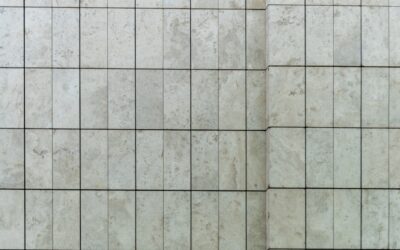
Travertine is a gorgeous natural stone, but it is also porous, which means it soaks up spills, stains, and moisture if left unprotected. A quality travertine sealer fills or coats those pores so liquids bead up instead of sinking in, buying you time to wipe spills before they stain. Whether you have travertine on a floor, a backsplash, a shower, or a patio, sealing is the single most important step in keeping it looking good for decades.
Why Travertine Needs Sealing
Formed from calcium carbonate, travertine is naturally full of tiny holes and channels. That porosity gives the stone its character but also makes it vulnerable. Wine, coffee, oil, and acidic foods can penetrate and discolor unsealed travertine, and standing water can promote staining and etching over time.
Sealing addresses the vulnerability without changing what you love about the stone. A good sealer slows absorption dramatically, giving you a window to clean up messes before they become permanent. It will not make the stone bulletproof, but it transforms travertine from high-maintenance to manageable.
Penetrating vs. Topical Sealers
The first decision is which type of sealer fits your installation, and the two work very differently.
- Penetrating (impregnating) sealers: Soak into the stone and bond below the surface, repelling liquids while leaving the natural look and breathability intact. Best for most floors and countertops.
- Topical sealers: Form a film on top of the stone that can add sheen or a wet look. They offer surface protection but can wear, scratch, and may trap moisture in damp areas.
For most homeowners, a penetrating sealer is the safer choice because it protects without altering appearance and lets the stone breathe. Topical products suit specific decorative goals but require more upkeep.
Finish Options: Natural vs. Enhancing
Within penetrating sealers, you can choose the look you want. A natural-look sealer protects without changing color, keeping the stone’s matte or honed appearance. A color-enhancing sealer deepens the tones, bringing out the rich browns and golds in the travertine, much like wetting the stone does.
Decide which effect you prefer before buying, and always test the sealer in an inconspicuous area first. The enhancement can be dramatic and is difficult to reverse, so a small test patch saves regret.
How Often to Reseal
Resealing frequency depends on the location, traffic, and the sealer used. A simple water test tells you when it is time: drop a little water on the surface and watch.
- If the water beads up, the sealer is still working.
- If the water soaks in and darkens the stone within a few minutes, it is time to reseal.
As a general guideline, high-traffic floors and wet areas may need resealing every year or two, while low-traffic surfaces can go longer. Follow the manufacturer’s recommendation for the specific product you buy.
How to Apply Travertine Sealer Safely
Application is straightforward, but doing it right matters, and safety comes first with any chemical sealer.
- Read and follow the manufacturer’s instructions for your specific product; they override general advice.
- Ventilate the space well, especially with solvent-based sealers, and wear gloves and eye protection.
- Clean the travertine thoroughly and let it dry completely; sealing over dirt locks it in.
- Test in an inconspicuous spot to confirm the look and check for any reaction.
- Apply an even coat with a clean applicator, let it dwell as directed, then wipe off any excess before it dries.
- Apply a second coat if recommended, and respect the full cure time before use.
Solvent-based sealers in particular demand good airflow and proper protective equipment. If a project is large, complex, or in a difficult area like a shower, hiring a professional is a reasonable choice.
Maintenance After Sealing
Sealing is not the end of care. To protect the stone and extend the life of the sealer, clean travertine with a pH-neutral stone cleaner, never acidic products like vinegar or lemon, which etch the surface. Wipe spills promptly, use coasters and trivets, and place mats at entries to catch grit.
With a good sealer and gentle, consistent cleaning, travertine stays beautiful and stain-resistant for years. Treat the sealer as routine maintenance, test the surface periodically, and reapply when water stops beading.
Sealing Travertine in Different Locations
Where the stone lives changes how you should approach sealing. Indoor floors in entryways and kitchens see heavy foot traffic and food spills, so they benefit from a quality penetrating sealer and more frequent re-treatment in the busiest paths. Bathroom and shower travertine faces constant moisture, which makes a breathable penetrating sealer important; a film-forming topical product can trap water and cause problems in a wet enclosure.
Outdoor travertine, like patios and pool decks, has its own demands. It endures sun, rain, and freeze-thaw cycles, and around pools it contacts chlorinated or salty water. Use a sealer rated for exterior use and follow the maker’s guidance on frequency, since weather accelerates wear. Keep these location notes in mind:
- Kitchens and entries: Reseal high-traffic lanes sooner than the room as a whole.
- Showers: Favor breathable penetrating sealers and ensure good ventilation.
- Countertops: Choose a food-safe sealer and wipe acidic spills immediately.
- Patios and pool decks: Use an exterior-rated product and reseal as weather dictates.
Matching the sealer and the schedule to the location, rather than treating every surface the same, keeps each installation protected without over-applying product where it is not needed. When a job is large or in a tricky wet area, a professional can ensure even coverage and proper curing.
The Takeaway
A travertine sealer is essential protection for a porous, premium stone. Choose a penetrating sealer for most jobs, decide between a natural or enhancing finish, and reseal whenever a water test says it is time. Follow the manufacturer’s directions, ventilate properly, and test first, and your travertine will reward the small effort with lasting, easy-to-clean beauty. Build sealing into your home maintenance calendar rather than waiting for a stain to remind you, and run a quick water-bead test each season to catch the moment protection starts to fade. Pair that with daily pH-neutral cleaning and prompt spill cleanup, and the stone stays as striking as the day it was installed. When a project is large, in a shower, or involves a solvent-based product, do not hesitate to bring in a professional for safe, even, durable results.