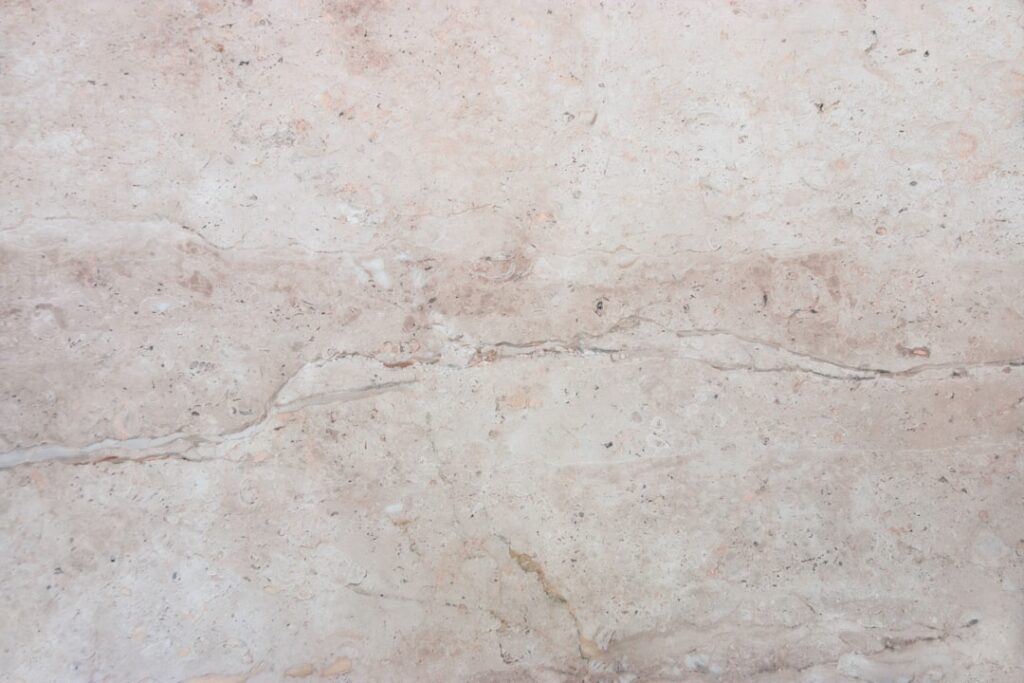
Tumbled marble tile is natural marble that has been tumbled in a machine with sand, grit, and water to soften its edges and surface, giving it a worn, antiqued, old-world appearance. Unlike the mirror shine of polished marble, tumbled marble tile has a matte, slightly textured face and gently rounded edges that look as though they have been smoothed by centuries of use.
Part of our Countertops guide — explore the full guide →
That weathered character makes it a favorite for homeowners who want the warmth and authenticity of real stone without the cool formality of high-gloss surfaces. This guide explains how it is made, where it works best, and how to keep it looking beautiful.
What Makes Tumbled Marble Different
All tumbled marble starts as ordinary marble cut into tiles. The pieces then go through a tumbling process where abrasive media wear down the sharp edges and the glossy surface. The result is a stone with a soft matte finish, chipped and rounded edges, and small surface pits and texture variations that read as charming rather than flawed.
That texture is the whole point. Polished marble shows fingerprints, etches, and scratches readily, while the muted, irregular surface of tumbled stone hides minor wear and traffic far better. The look is rustic, Mediterranean, and timeless, pairing naturally with warm-toned kitchens, traditional baths, and old-world architecture.
Common Colors and Sizes
Tumbled marble comes in the same natural color families as polished marble, just with a softer, more muted presentation. Popular tones include warm creams and beiges, soft golds, gray-veined whites, and earthy browns, often with subtle veining that varies tile to tile.
- Mosaic sheets: small squares or hexagons on mesh, ideal for backsplashes and shower floors.
- Standard field tiles: common sizes such as 4×4, 6×6, 12×12, and 18×18 inches for walls and floors.
- Subway and brick formats: popular for classic backsplashes.
- Decorative pieces: liners, pencil trim, and medallions for accents.
Because the color and veining vary naturally, it is wise to buy from a single lot and dry-lay tiles before setting to blend the variation evenly.
Best Uses Around the Home
Its texture and slip resistance make tumbled marble especially well suited to certain spaces. The matte, slightly grippy surface is a strong choice for bathroom and shower floors, where polished stone can become dangerously slick when wet.
It also shines as a kitchen backsplash, where its old-world warmth complements wood cabinetry and natural countertops, and the texture helps hide the inevitable splatter. On floors, it brings character to entryways, kitchens, and sunrooms. Because marble is relatively soft and porous, it is generally better suited to moderate-traffic residential areas than to heavy commercial use or spaces with frequent acidic spills.
Pros and Cons to Weigh
Like any natural material, tumbled marble involves trade-offs worth understanding before you commit.
- Pros: genuine natural stone, warm and timeless appearance, good slip resistance when textured, hides minor wear, and each tile is unique.
- Cons: porous and prone to staining if unsealed, sensitive to acids like vinegar, citrus, and wine, which can etch the surface, requires periodic resealing, and the textured surface and grout lines need more attentive cleaning.
If you want the marble look but cannot commit to maintenance, a porcelain tile that mimics tumbled stone is a lower-upkeep alternative, though it lacks the authentic depth of real stone.
Sealing Is Essential
Because marble is porous and tumbling opens up the surface further, sealing is not optional, it is the single most important step in protecting your investment. An unsealed tile will absorb water, oil, and pigment quickly, leading to dark spots and stains that are difficult to remove.
Apply a quality penetrating stone sealer before grouting and again after, following the manufacturer’s instructions for ventilation and dwell time. Many installers also seal the grout. After installation, plan to reseal periodically, often every year or two depending on use and the sealer used. A simple test is to drop water on the surface; if it darkens or soaks in rather than beading, it is time to reseal.
Cleaning and Daily Care
Caring for tumbled marble is straightforward once you respect its chemistry. Use only pH-neutral stone cleaners or mild soap and warm water. Avoid acidic cleaners, vinegar, bleach, and harsh abrasives, all of which can etch or dull the stone over time.
Wipe up spills promptly, especially acidic foods, juices, and wine. Sweep or dust-mop floors regularly so grit does not abrade the surface, and use a soft cloth or non-abrasive pad for scrubbing. The textured surface and small pits can collect debris, so a soft brush helps in backsplash crevices and grout lines. With gentle, consistent care, the stone develops a lived-in patina rather than visible damage.
Design Styles That Suit Tumbled Marble
The soft, antiqued character of tumbled marble naturally complements certain design directions. It is right at home in Mediterranean and Tuscan kitchens, where its warm creams and golds sit alongside terracotta, wrought iron, and rich wood. Traditional and transitional spaces also welcome it, especially when paired with shaker cabinetry and natural countertops.
Beyond classic settings, tumbled marble can soften a contemporary room that risks feeling cold, adding organic texture against clean lines and modern fixtures. In bathrooms it creates a spa-like, grounded atmosphere, while as a fireplace surround it brings old-world warmth to a focal wall. Because the stone reads as timeless rather than trendy, it tends to age gracefully with a home rather than dating it.
Installation Notes and Cost
Installing tumbled marble is similar to other natural stone tile but rewards extra care. Tiles vary slightly in thickness and edge shape, so a skilled installer will adjust the mortar bed and select grout joints, often slightly wider, to accommodate the rustic edges. Sealing before grouting prevents the grout from staining the porous stone.
As a planning range, tumbled marble tile material costs commonly fall somewhere in the mid single digits to low double digits per square foot, with mosaics and decorative pieces costing more, plus professional installation labor. Local prices vary widely by stone grade, format, and region, so gather itemized quotes. For a material that delivers genuine, enduring stone character, tumbled marble tile remains one of the most evocative choices a homeowner can make.
Prefer to explore on your own?
See how new flooring looks in your actual room in seconds — free, no signup.
Try the free Floor Studio →