The types of wall coverings available to homeowners in 2026 reach far beyond paint and paper. From peel-and-stick removable wallpapers under $40 per roll to hand-troweled Venetian plaster at $14 per sq ft, the right covering changes how a room reads, performs acoustically, and ages over a 10 to 30-year service life. Most homeowners default to flat paint because it is familiar and cheap, but a single accent wall in a quality covering often delivers more visual impact than repainting the entire room. The trick is matching the covering to the room’s traffic, humidity, and design intent before swiping a credit card.
Traditional Wallpaper Categories
Non-woven wallpaper, the modern standard from York Wallcoverings, Cole and Son, and Schumacher, runs $45 to $185 per double roll and uses a paste-the-wall installation that lets you reposition during hanging. Non-woven backings resist tearing, stay dimensionally stable, and strip cleanly after 8 to 15 years.
Vinyl-coated wallpaper at $35 to $120 per double roll handles bathrooms and kitchens where humidity defeats traditional paper. Look for Type II commercial-grade vinyl at 20 to 28 ounces per square yard, the same grade hospitals and hotels specify, for installations that need to wipe clean repeatedly.
Grasscloth and natural-fiber wallpapers from Phillip Jeffries or Thibaut run $180 to $480 per double roll and deliver unmatched texture but show every seam. They are not appropriate for kitchens, bathrooms, or full-sun rooms where UV fades the natural fibers within 18 to 36 months.
Peel-and-Stick and Removable Options
Peel-and-stick wallpaper from Tempaper, Chasing Paper, and Spoonflower runs $40 to $90 per roll and installs in 30 minutes per panel without paste or water. Best for rentals, kids’ rooms, and design-anxious homeowners who want to test bold patterns. Quality varies dramatically by brand, look for products with a polyester-fabric backing rather than self-adhesive vinyl, which yellows over 3 to 5 years.
Magnetic and chalkboard wall paints from Rust-Oleum and Magnamagic at $24 to $48 per quart turn a section of wall into an interactive surface. Apply over two coats of primer with a 1/4-inch nap roller for a smooth finish. Functional in playrooms, mudrooms, and home offices.
Wood Paneling and Beadboard
Tongue-and-groove pine paneling, the rustic standard from Metrie or Ekena Millwork, runs $2.40 to $5.80 per sq ft for materials. Install vertically for a tall reading or horizontally for a cottage feel. Prime and paint with two coats of Benjamin Moore Advance or finish with one coat of Minwax Pre-Stain plus two coats of Varathane stain.
Beadboard wainscoting at 36 to 48 inches tall, available as plywood panels or individual boards, runs $4.50 to $9 per sq ft installed. Pair with chair rail at 33 to 36 inches above the floor and a top cap molding for a traditional finish. Beadboard appears in roughly 60 percent of restored Victorian, Craftsman, and Colonial Revival homes and reads as period-appropriate without specialty work.
Shiplap, the planked cousin of beadboard, runs $3 to $7 per sq ft in pine and $8 to $14 in primed PVC for wet areas. Joint Studs Hardware and Metrie both make pre-finished shiplap panels that install with brad nails and cover full walls in an afternoon.
Plaster and Specialty Finishes
Venetian plaster, applied by a skilled artisan with a steel trowel in two to four coats, runs $9 to $18 per sq ft installed and produces a depth and luminosity no paint can match. Roman Clay from Portola Paints at $96 per gallon is a DIY-friendly version that delivers 70 percent of the look with a 5-step process and a single trowel.
Limewash from Romabio, Color Atelier, or Vasari Lime Wash at $80 to $140 per gallon creates a chalky, weathered finish that ages over years. Apply with a 6-inch limewash brush over a primed surface, two coats minimum. The breathable mineral surface works particularly well on plaster, brick, and stone substrates where vapor permeability matters.
Tadelakt, the Moroccan polished plaster used historically in hammams, costs $24 to $48 per sq ft installed and produces a waterproof, seamless surface ideal for showers and powder rooms. Application requires specialty training, expect a 5 to 7-day install timeline for a single powder room.
Tile and Stone as Wall Coverings
Porcelain and ceramic tile from Daltile, MSI, or Marazzi at $4 to $14 per sq ft installed turns walls into wet-rated, durable surfaces. The PEI rating system matters here as well, PEI III for backsplashes and accent walls, PEI IV for high-traffic surfaces. For bathrooms and kitchens, large-format porcelain in 24×48-inch panels reduces grout lines and reads as more contemporary than 4×4-inch traditional tile.
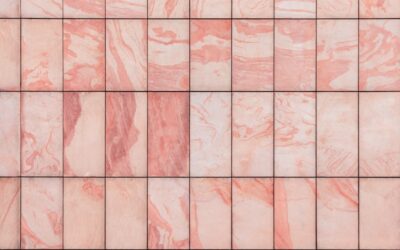
Natural stone slabs from Daltile, MSI, or Cosentino, in marble, quartzite, or onyx, deliver a stone-feature wall at $80 to $220 per sq ft installed. The seamless 9 to 12-foot panels eliminate visible joints. Best for accent walls behind tubs or in entry foyers where the slab becomes the focal point.
Fabric and Acoustic Panels
Upholstered wall panels using Maharam, Knoll, or Holly Hunt fabrics over 1-inch foam-and-wood substrate cost $42 to $95 per sq ft installed and add measurable acoustic absorption (NRC 0.40 to 0.70 depending on backing). Best for home theaters, primary bedrooms, and studies where sound quality matters.
Manufactured acoustic panels from Acoustimac, GIK Acoustics, or Felt Right at $24 to $58 per sq ft deliver similar performance with a more modern industrial aesthetic. Available in PET felt, fabric-wrapped fiberglass, or wood-veneer-faced compositions depending on the look you want.
Cost Comparison Across Categories
For a 12-foot by 14-foot bedroom with 8-foot ceilings (about 380 sq ft of wall surface), traditional paint runs $350 to $700 installed. Peel-and-stick wallpaper costs $480 to $980 in materials with DIY labor. Hung wallpaper from a quality brand runs $1,400 to $3,200 installed. Tongue-and-groove shiplap or beadboard lands at $1,600 to $3,400 installed. Venetian plaster reaches $3,800 to $6,800. Tile or stone slab installations exceed $6,000 in most cases.
The right covering balances upfront cost against service life. Quality wallpaper lasts 12 to 18 years, wood paneling lasts 25 to 40 years, and tile lasts 30 to 60 years. Calculate the amortized cost per year, not just the install bill, when comparing types of wall coverings for a project.
Matching Coverings to Room Function
Reserve delicate coverings, grasscloth, fabric panels, traditional non-vinyl wallpaper, for low-traffic, low-humidity rooms. Use durable, washable products like Type II vinyl, painted shiplap, tile, and polished plaster in kitchens, bathrooms, mudrooms, and hallways. Test samples in the actual room under actual lighting for at least 72 hours before committing. And always order 12 to 15 percent extra material for repairs and pattern matching, the dye lot you order today will not be available in 5 years.