There’s a reason victorian kitchen design never really goes out of style. Born in an era that prized craftsmanship and detail, the look blends rich woods, decorative moldings, patterned tile, and warm color to create a kitchen with genuine soul. The trick today is capturing that period character without sacrificing the function modern cooks expect. Done thoughtfully, a Victorian-inspired kitchen feels both historic and livable. Here’s how to get the details right.
Part of our Kitchen Remodeling guide — explore the full guide →
The Hallmarks of Victorian Style
Victorian design celebrates ornamentation. Where modern kitchens strip things down, Victorian leans into layered detail: corbels under shelves, crown molding at the ceiling, beadboard paneling, and furniture-style cabinetry that looks like freestanding pieces rather than a continuous wall of boxes.
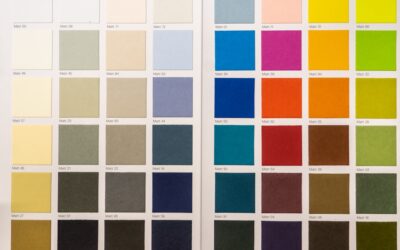
Color plays a bigger role here than in most period styles. Deep greens, burgundy, navy, and warm creams were common, often paired with dark wood tones. The overall effect is rich and inviting, a kitchen that feels like a room rather than a utilitarian galley.
Cabinetry and Woodwork
Cabinets carry the Victorian look. Choose styles with detail and presence:
- Raised-panel doors with decorative molding for depth
- Glass-front upper cabinets to display china and glassware
- Furniture-style legs and feet on islands and freestanding pieces
- Beadboard panel inserts for cottage-meets-formal texture
- A plate rail or open shelf trimmed with corbels
Wood tones like cherry, walnut, and mahogany suit the era, but painted cabinets in deep green or creamy white are equally authentic and feel fresher to modern eyes. Mixing a painted perimeter with a stained wood island gives the layered, collected look Victorian kitchens are known for.
Color and Wallpaper
Don’t shy away from color. A Victorian kitchen embraces saturated, moody hues. Sage and forest greens, dusty rose, deep teal, and warm ochre all fit the palette. Use them on cabinets, walls, or a statement island.
Wallpaper is a signature Victorian element. Floral, damask, or botanical patterns above a beadboard wainscot capture the period instantly. If full wallpaper feels like too much, a patterned accent wall or a single papered nook delivers the character without overwhelming the room.
Flooring Choices
Authentic Victorian floors were wood or patterned tile, and both still work beautifully. Consider these options:
- Hardwood in a warm oak or walnut tone, ideally with a matte or oiled finish for an aged look.
- Encaustic or patterned cement tile in black-and-white or rich botanical motifs for a true period statement.
- Checkerboard tile in black and white, a classic that reads Victorian and works in any budget.
- Wood-look luxury vinyl plank as a durable, waterproof stand-in that captures the warmth for $3 to $5 per square foot installed.
Whatever you choose, warmth matters. Cold gray modern flooring fights the cozy, layered mood the rest of the style builds.
Fixtures, Hardware, and Finishes
Details make or break the look. Reach for finishes with age and character. Unlacquered brass, oil-rubbed bronze, and antique nickel all suit Victorian style and patina gracefully over time. A bridge faucet with cross handles and a farmhouse or fireclay apron sink anchors the period feel at the sink.
Hardware should feel ornate without going overboard. Cup pulls, decorative bin pulls, and knobs with detail beat plain modern bars. For lighting, schoolhouse pendants, a brass chandelier over the table, or sconces flanking a window reinforce the era. Layer the light sources so the kitchen glows warmly rather than flooding flat from a single fixture.
Backsplash and Counters
For the backsplash, subway tile actually predates and suits the Victorian era, especially in a beveled edge or a soft white with contrasting grout. Handmade-look tile, a delft-blue pattern, or a tin-style panel adds period flavor.
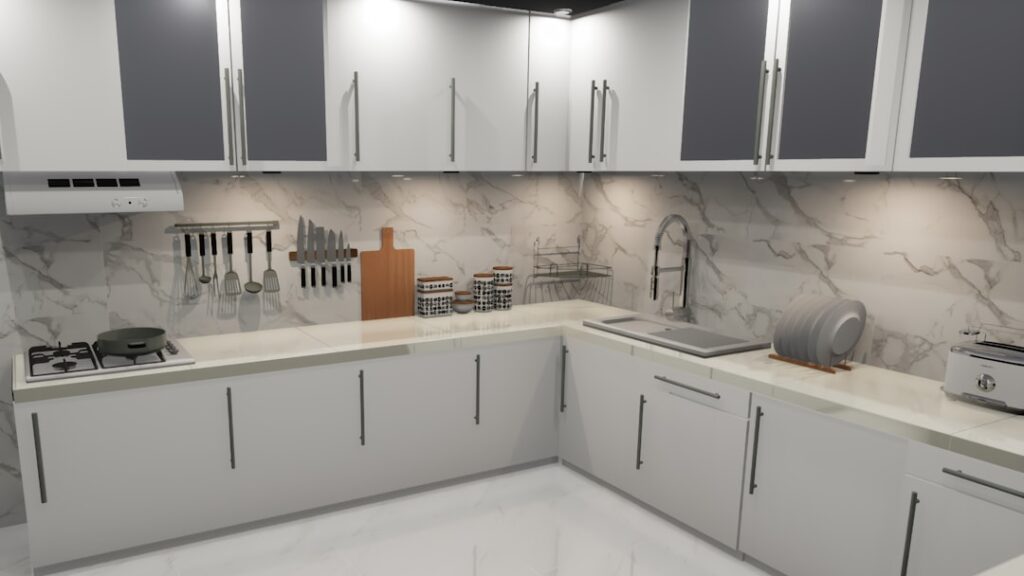
Countertops can go a couple of directions. Marble or a marble-look quartz feels luxurious and historic, while butcher block adds warmth and authenticity, since wood counters were common in working Victorian kitchens. Soapstone is another period-appropriate choice that ages into a soft patina.
Balancing Period Charm with Modern Life
The best Victorian kitchen design hides modern convenience inside historic style. Panel the dishwasher and refrigerator to blend with the cabinetry. Tuck the microwave in a cabinet or drawer. Choose a range with vintage styling but current performance. These moves let you cook in a fully functional kitchen that still reads as a thoughtfully detailed period room.
Layout and Architectural Details
Authentic Victorian kitchens favored separate, defined spaces over today’s wide-open plans, but you can capture the feeling without walling everything off. Architectural detail does the heavy lifting. Add crown molding where the cabinets meet the ceiling, install a decorative range hood with a mantel-style surround, and use tall baseboards and trim around doorways to frame the room.
Ceiling treatments reinforce the era beautifully. A tin ceiling, coffered panels, or even a simple medallion around a hanging fixture adds the overhead detail Victorian rooms were known for. If you have the ceiling height, exposed wood beams or a plate rail running around the room at picture height brings warmth and a sense of craftsmanship that flat modern ceilings lack.
Furniture and Freestanding Pieces
One hallmark of Victorian kitchens is furniture that looks like furniture rather than built-in cabinetry. A freestanding hutch or dresser used for dish storage, a worktable or butcher-block island on turned legs, and a glass-front display cabinet all reinforce the period feel. These pieces break up the monotony of a wall of matching cabinets and give the room a collected, evolved-over-time character.
Seating adds to the effect. A small table with spindle-back or pressed-back chairs creates a breakfast nook with genuine period charm, and a Windsor-style chair or an upholstered bench softens the space. Mixing a few antique or antique-look pieces among the built-ins is exactly how a Victorian kitchen avoids feeling like a stage set and starts feeling like a real, lived-in room.
Bringing the Look Home
A successful Victorian kitchen layers rich color, detailed woodwork, patterned tile, and aged-metal fixtures into a space that feels warm and collected. You don’t need a 19th-century house to pull it off, just a commitment to detail and a willingness to embrace color and ornament. Start with the cabinetry and a strong color story, add period flooring and fixtures, and let the small details carry the rest.