Beneath layers of carpet and linoleum in countless older homes lies a treasure people pay thousands to recreate. Victorian parquet flooring — the intricate geometric wood block patterns laid in homes during the 1800s — remains one of the most coveted period features a house can offer. Whether you are restoring an original floor or installing a faithful reproduction, understanding the classic patterns, the woods involved, and the restoration pitfalls separates a stunning result from an expensive mistake.
What Defines Victorian Parquet
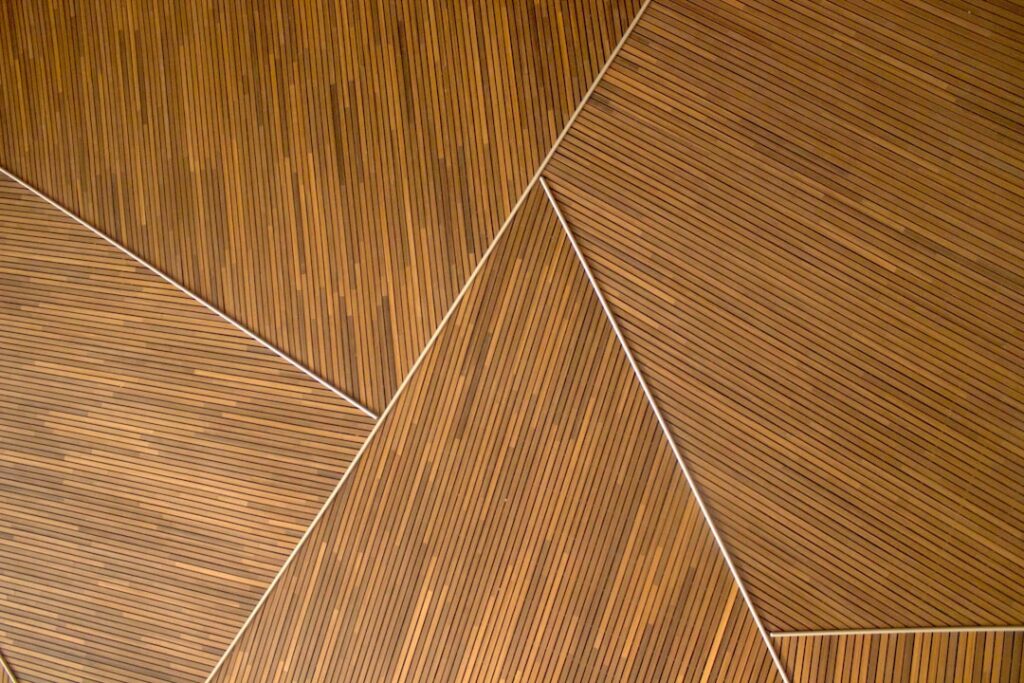
Parquet means flooring assembled from small wood pieces arranged in repeating geometric patterns rather than long straight planks. Victorian-era parquet took this to an art form, often combining a central field pattern with decorative borders that framed each room like a rug. Cabinetmakers used contrasting wood species to draw the eye and signal a household’s status.
The hallmark of the period is craftsmanship: hand-cut blocks, tight joinery, and patterns that ran continuously across grand reception rooms and hallways. Even a century later, the precision of these floors is striking.
The Classic Patterns
A handful of patterns defined Victorian interiors, and they remain the templates for restoration and new installation alike.
- Herringbone: Rectangular blocks set at 90 degrees in a zigzag. The most recognizable parquet pattern, equally at home in a parlor or a modern apartment.
- Basketweave: Square groups of blocks alternating direction to mimic woven straw. Quietly elegant and well suited to smaller rooms.
- Chevron: Like herringbone but with the block ends cut at an angle to form a continuous V, creating sharper, more formal lines.
- Brick and block: Simpler staggered layouts used in service areas and more modest homes.
Borders — single, double, or interlaced bands of contrasting wood — frame these fields and are the detail most often lost when floors are repaired carelessly.
The Woods Behind the Look
Victorian parquet relied on hardwoods chosen for durability and color contrast. Oak formed the backbone of most floors thanks to its strength and warm tone. Designers added depth with darker species such as walnut and mahogany in borders and accent pieces, while pitch pine and maple appeared in lighter fields.
If you are matching an existing floor, identifying the original species is the first step. The wrong wood in a repair stands out immediately because the patina, grain, and color simply will not blend with century-old neighbors.
Restoring an Original Floor
Finding original parquet under modern coverings is exciting, but restoration demands patience. Start by lifting coverings gently and assessing how many blocks are loose, missing, or cupped. Old parquet was typically laid in bitumen or hot pitch adhesive over a subfloor, and that bond often weakens over a century.
- Re-glue or re-seat loose blocks before any sanding so they do not shift under the machine.
- Source reclaimed blocks of the same species and dimensions for gaps — salvage yards are your friend here.
- Sand cautiously. Victorian blocks are thin, often only a few millimeters of usable wear remaining above the tongue or saw kerf, so aggressive drum sanding can ruin them.
- Finish with hardwax oil or a traditional finish that lets the wood breathe and can be spot-repaired later.
If more than a quarter of the floor is damaged, bring in a specialist. Botched restoration destroys the very value you are trying to preserve.
Buying New Victorian-Style Parquet
Reproductions let you capture the period look without hunting for a 150-year-old original. Modern parquet comes in three tiers: solid hardwood blocks for the most authentic feel, engineered parquet that resists humidity swings, and even high-quality laminate or LVT printed with herringbone patterns for tight budgets.
Engineered parquet is the practical middle ground for most homeowners — it delivers a real wood surface, installs more reliably over modern subfloors, and tolerates the central heating that would warp solid blocks. Expect solid parquet to run higher per square foot than standard plank flooring because of the cutting and labor involved.
Pros and Cons
The appeal is obvious: nothing matches the character, craftsmanship, and resale boost of genuine Victorian parquet. It is also remarkably durable, and an original floor can be refinished for generations if the blocks have thickness to spare.
The drawbacks are cost and complexity. Patterned installation takes far longer than straight planks, restoration can uncover expensive surprises, and original thin blocks limit how many times you can sand. Solid parquet also reacts to humidity, so it demands stable indoor conditions.
Caring for Parquet Floors
Parquet, whether original or new, rewards gentle, consistent care. Sweep or vacuum regularly with a soft head to keep grit from scratching the finish, and clean with a barely damp mop and a pH-neutral wood cleaner — never a wet mop, since standing water can loosen the bituminous adhesive under old blocks and swell the wood.
Maintain stable indoor humidity to limit the seasonal movement that opens gaps between blocks, and place protective pads under furniture. Address scratches early with a compatible finish or oil, and avoid steam mops entirely, which drive moisture into the joints. Treated well, a quality parquet floor can serve for generations and be refinished whenever the surface dulls.
Cost and Installation Reality
Patterned parquet costs more to install than straight planks because of the precise cutting and slow, meticulous layout each pattern demands. Solid parquet blocks typically run higher per square foot than ordinary strip flooring, and labor adds significantly on top, especially for herringbone and chevron with decorative borders.
Engineered parquet narrows the gap somewhat by installing faster and more reliably over modern subfloors, but it is still a premium look. Whichever route you take, budget for extra material — patterned layouts generate more waste from angled cuts — and consider professional installation for anything beyond a simple block pattern, since errors in a geometric floor are glaringly visible.
Is It Right for Your Home
If you own a period property with original parquet hiding under carpet, restoration is almost always worth the effort — you are uncovering an irreplaceable feature. For new builds or renovations chasing the look, engineered herringbone gives you authenticity with modern reliability. Either way, respect the patterns, match the woods honestly, and treat the borders as the finishing flourish they were always meant to be.
Prefer to explore on your own?
See how new flooring looks in your actual room in seconds — free, no signup.
Try the free Floor Studio →